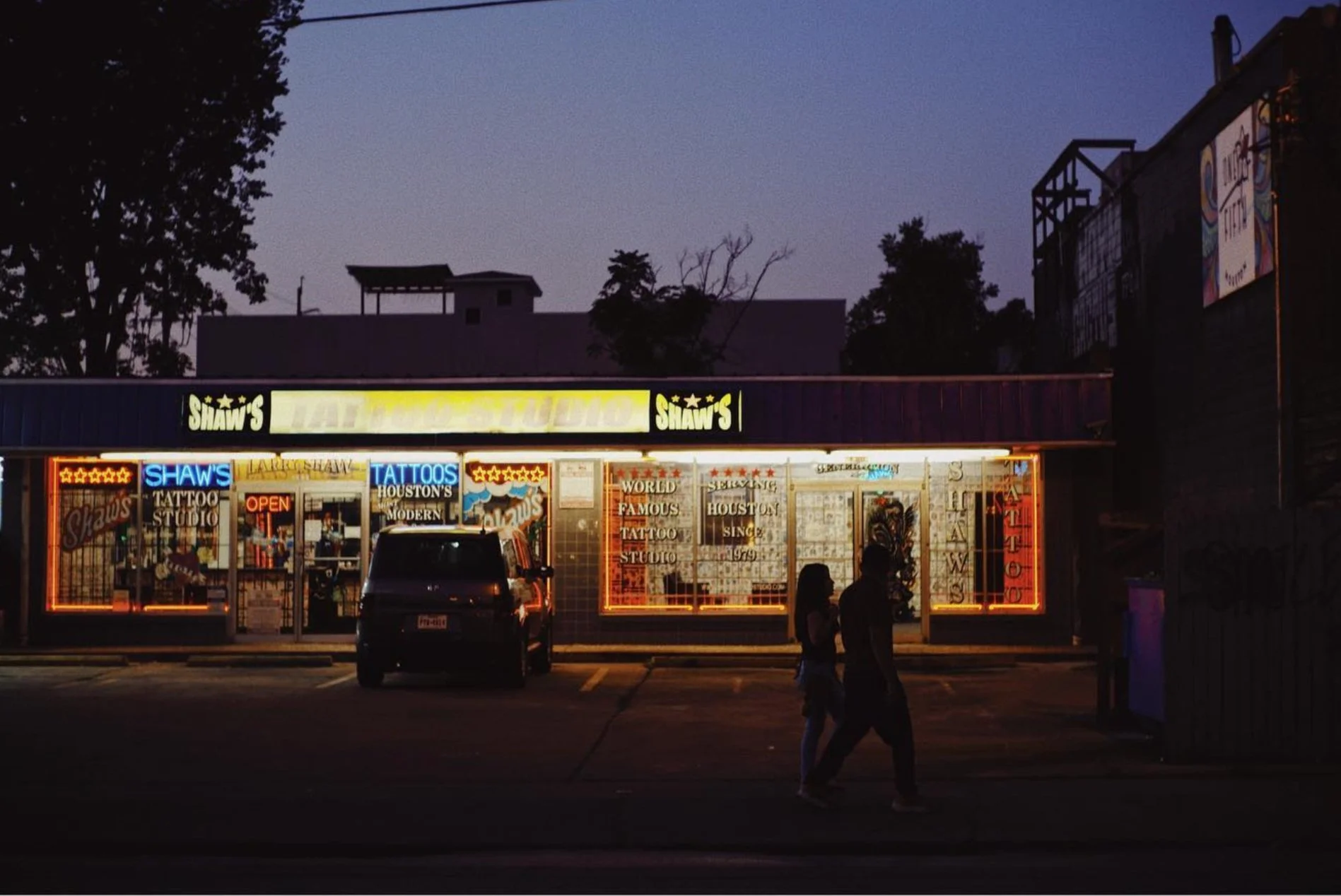
Seeds for the Future explores the vital work—and abrupt shutdown—of the Feed the Future Innovation Lab for Peanuts, led by Jamie Rhoads and Dave Hoisington. Once a global engine for agricultural research, the lab empowered farmers, improved nutrition, and fought poverty through peanut science—until it was dismantled by sudden funding cuts and a disregard for the very science it stood for.
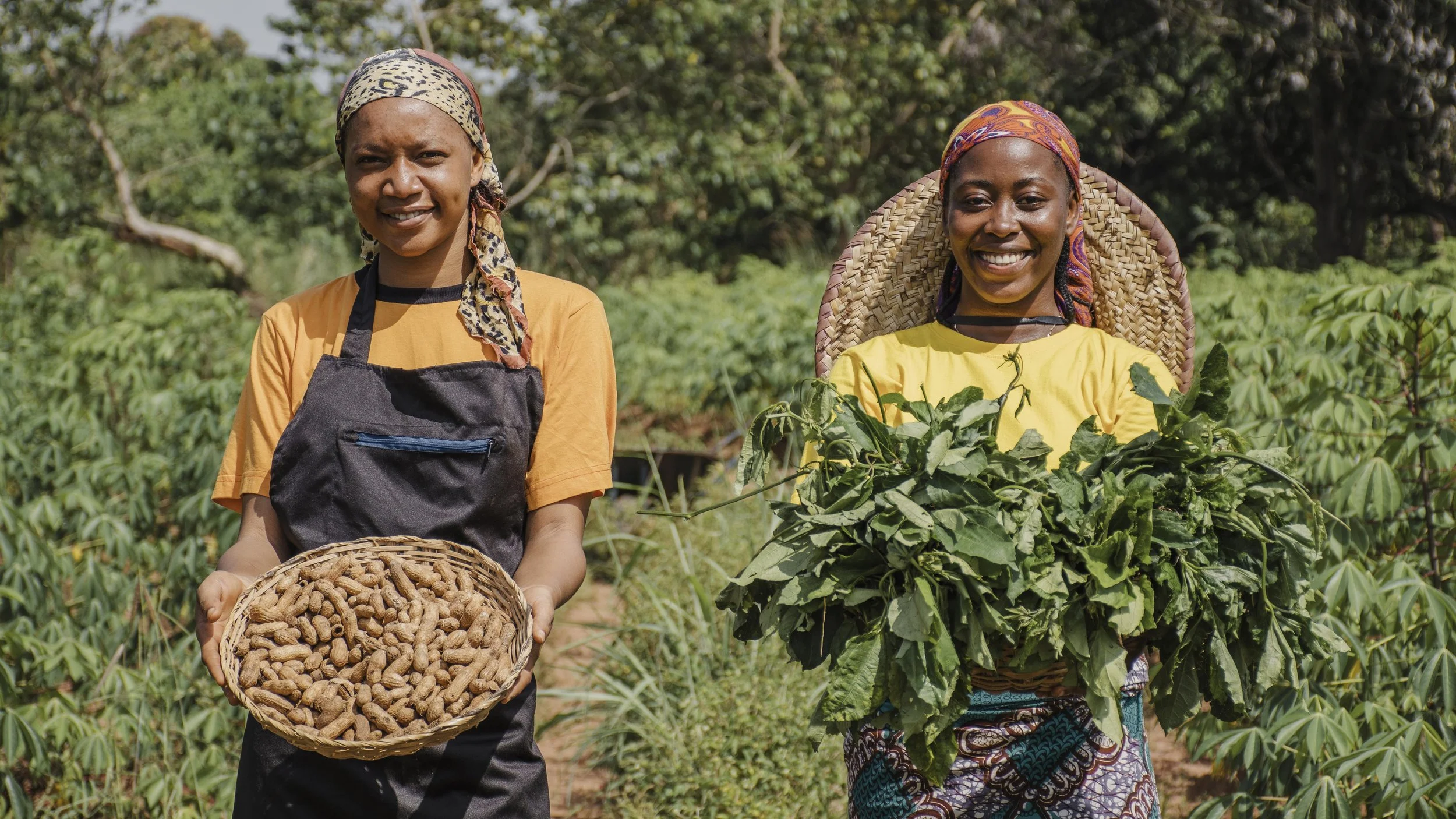
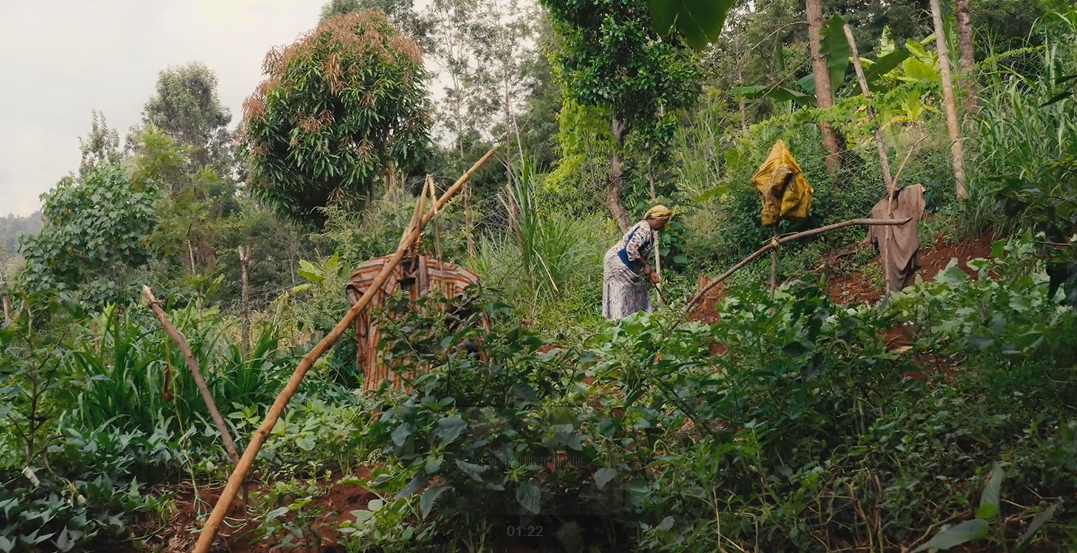
The Peanut Lab supported research in 5 core countries and over a dozen more, linking scientists across Africa and the U.S. to form the first South-to-South peanut breeding network. In Malawi alone, over 10,000 farmers benefited from a $15+ million peanut value chain—powered by U.S. science, African collaboration, and local resilience.
Based at the University of Georgia, the Peanut Innovation Lab was the only U.S. program dedicated to global peanut research—connecting American science to an international network of innovation and impact.
the story.
At the heart of the Peanut Lab was Jamie Rhoads, a Virginia farm kid turned global scientist—whose mission was rooted in soil, shaped by science, and driven by the populations peanuts could uplift.
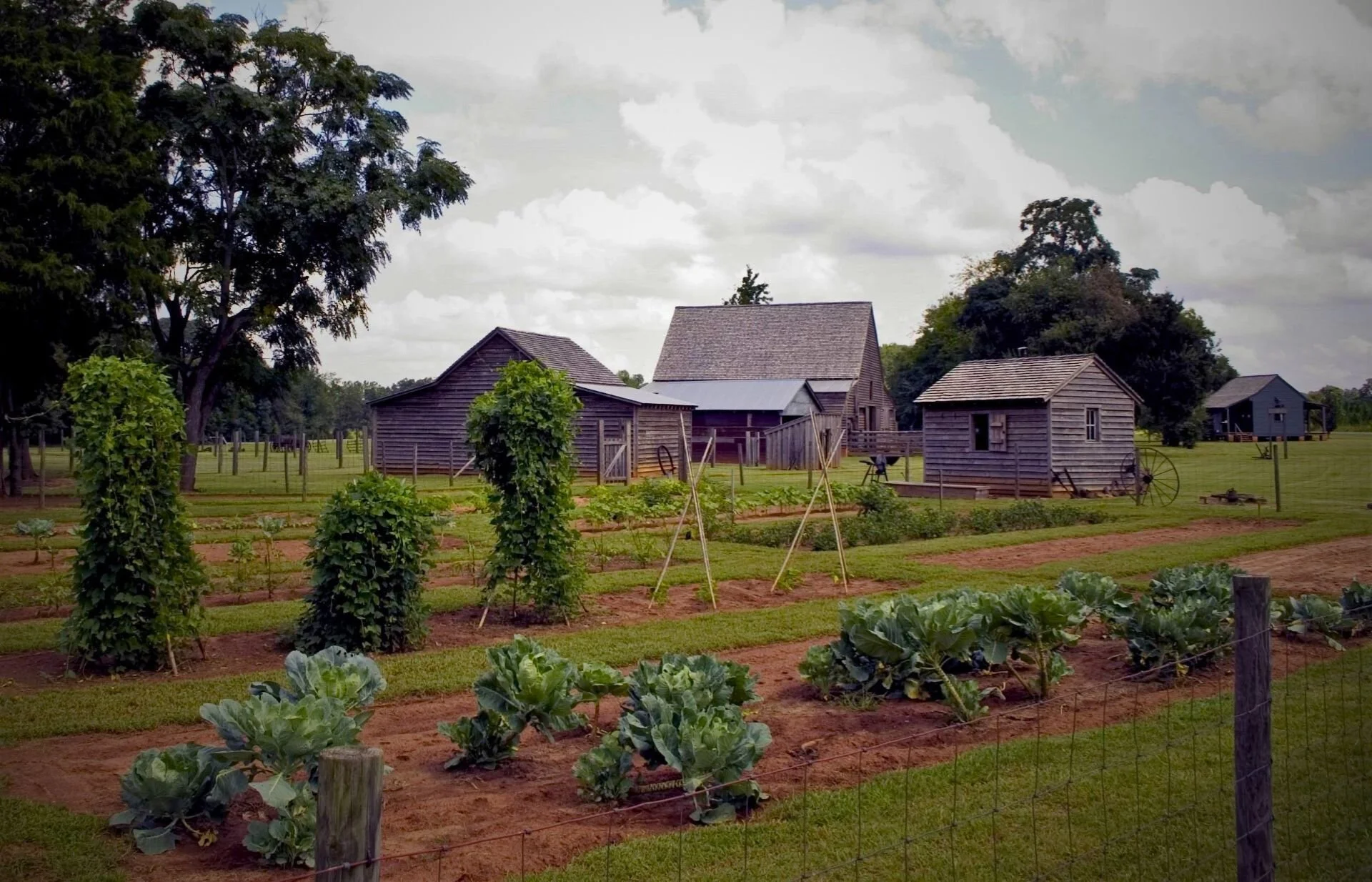
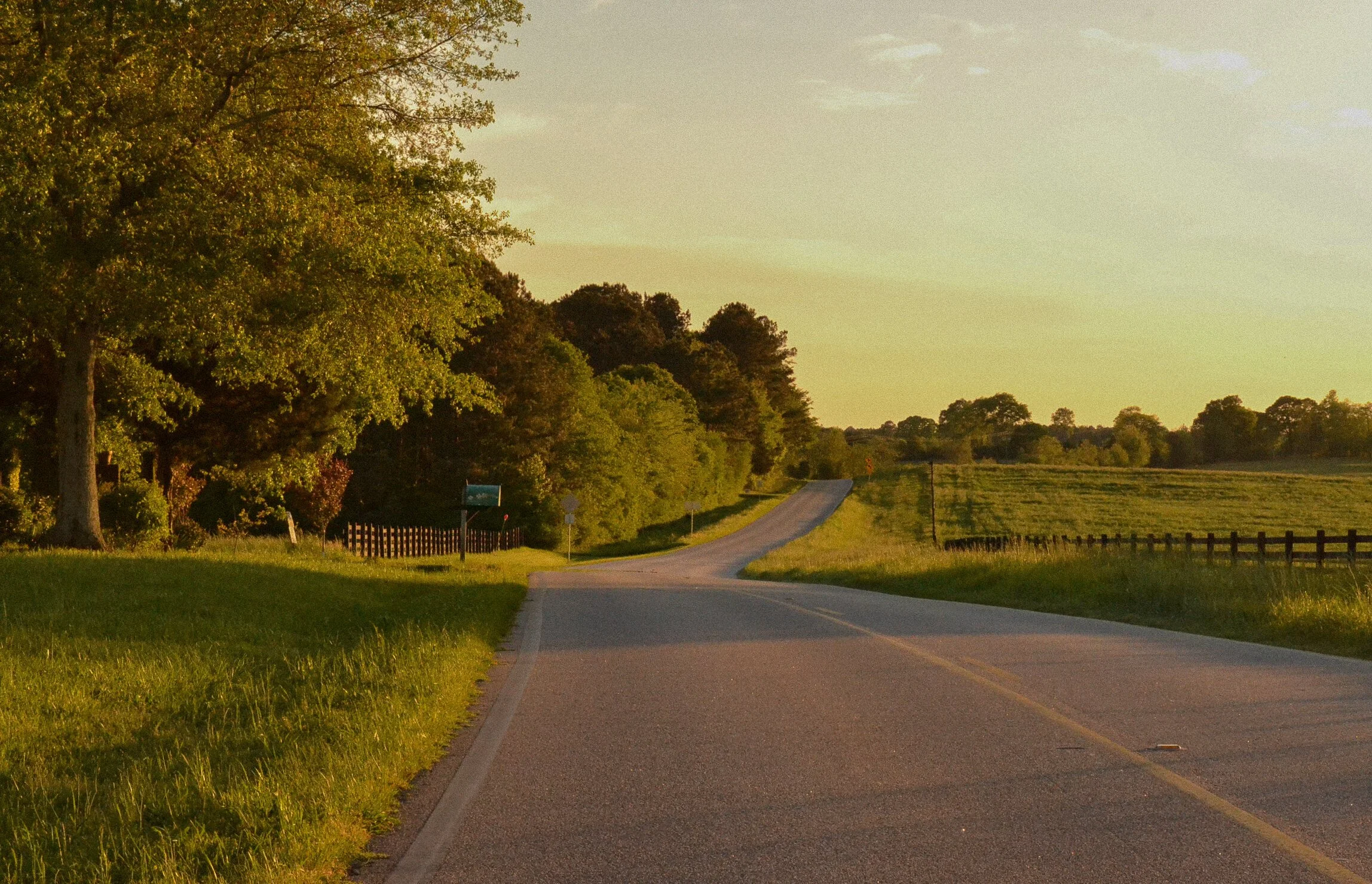
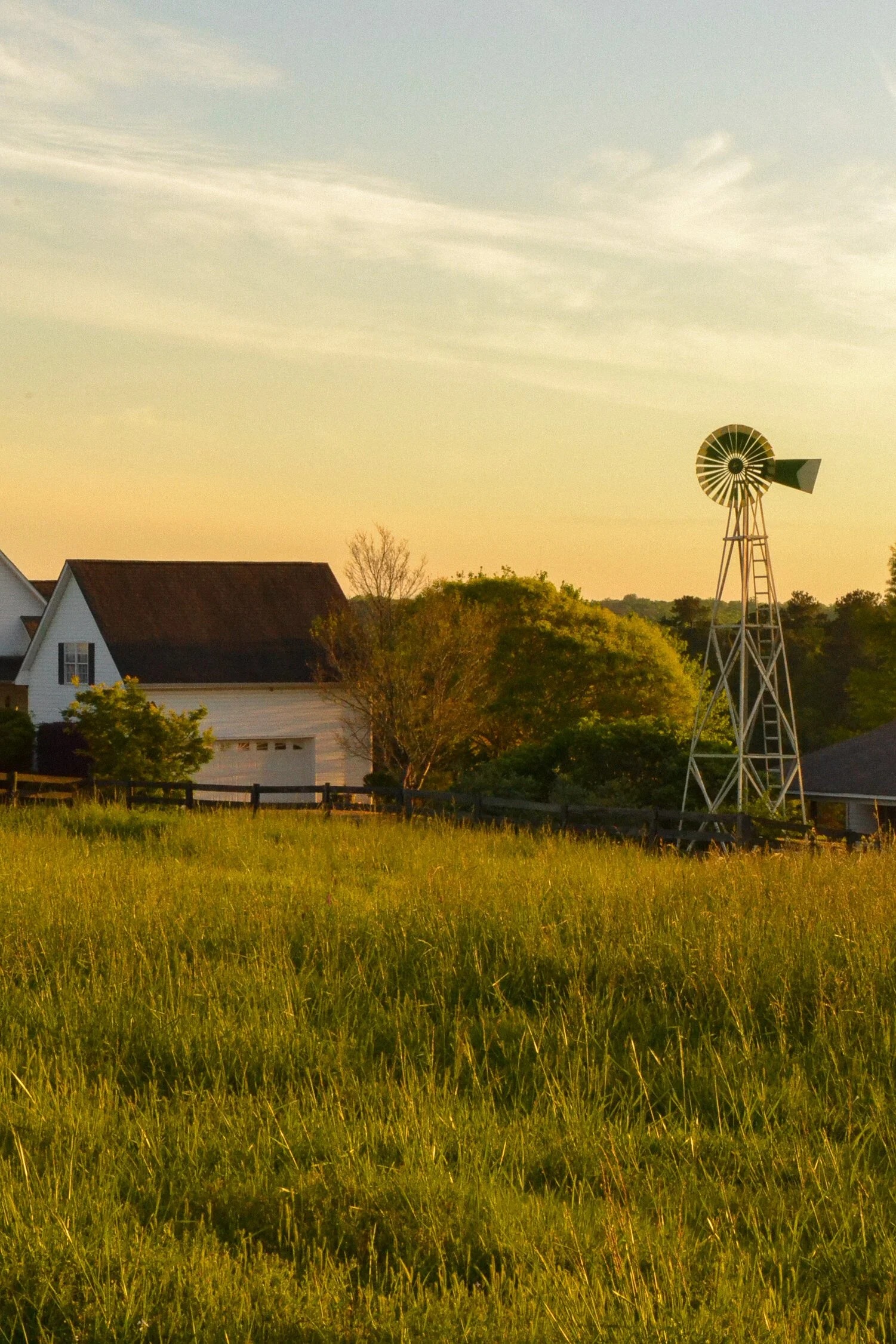
At age 12, the land was sold and turned into housing. A loss that planted the seeds of his passion for land, conservation, and agriculture. Later, at 18, a trip to Haiti opened his eyes to the deep link between poverty, environmental collapse, and broken food systems. He saw how agriculture, when done right, could offer a pathway out.
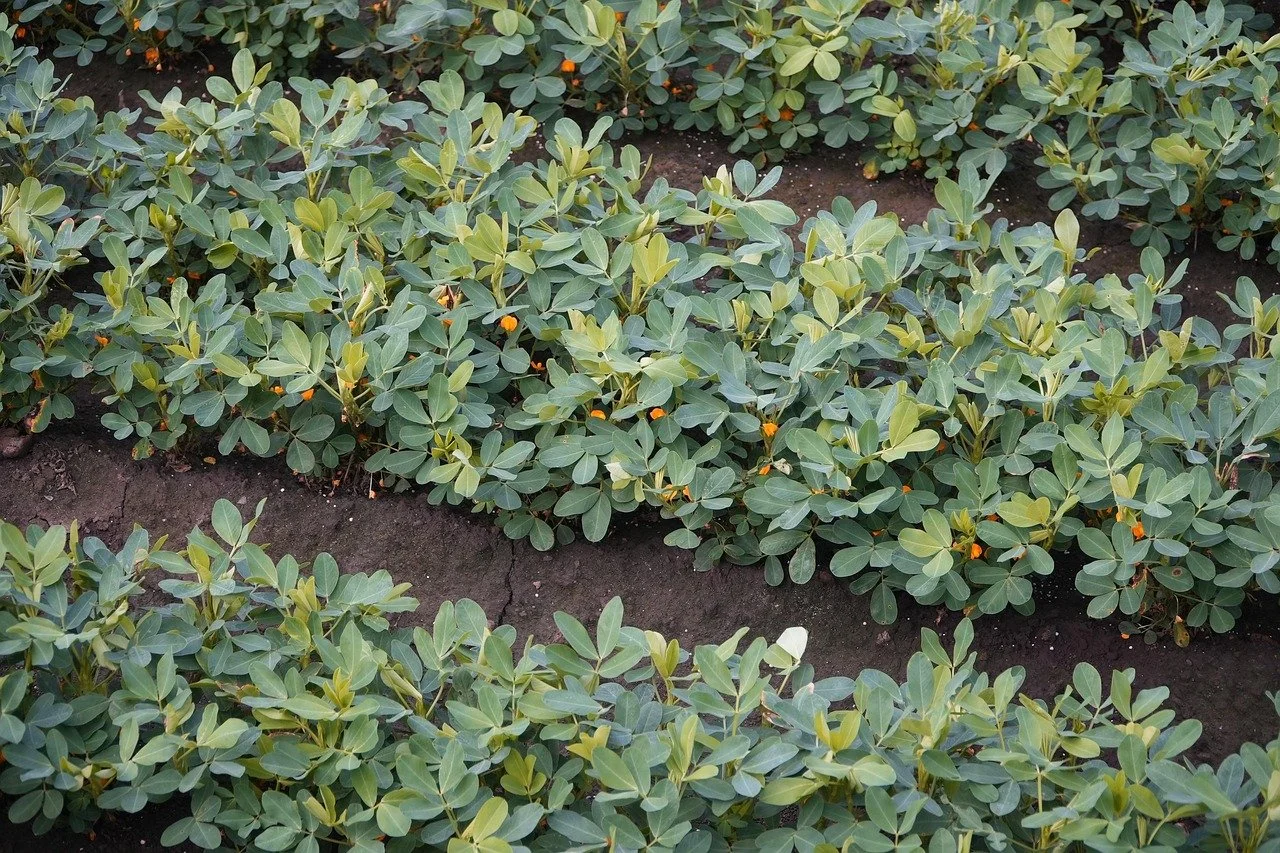
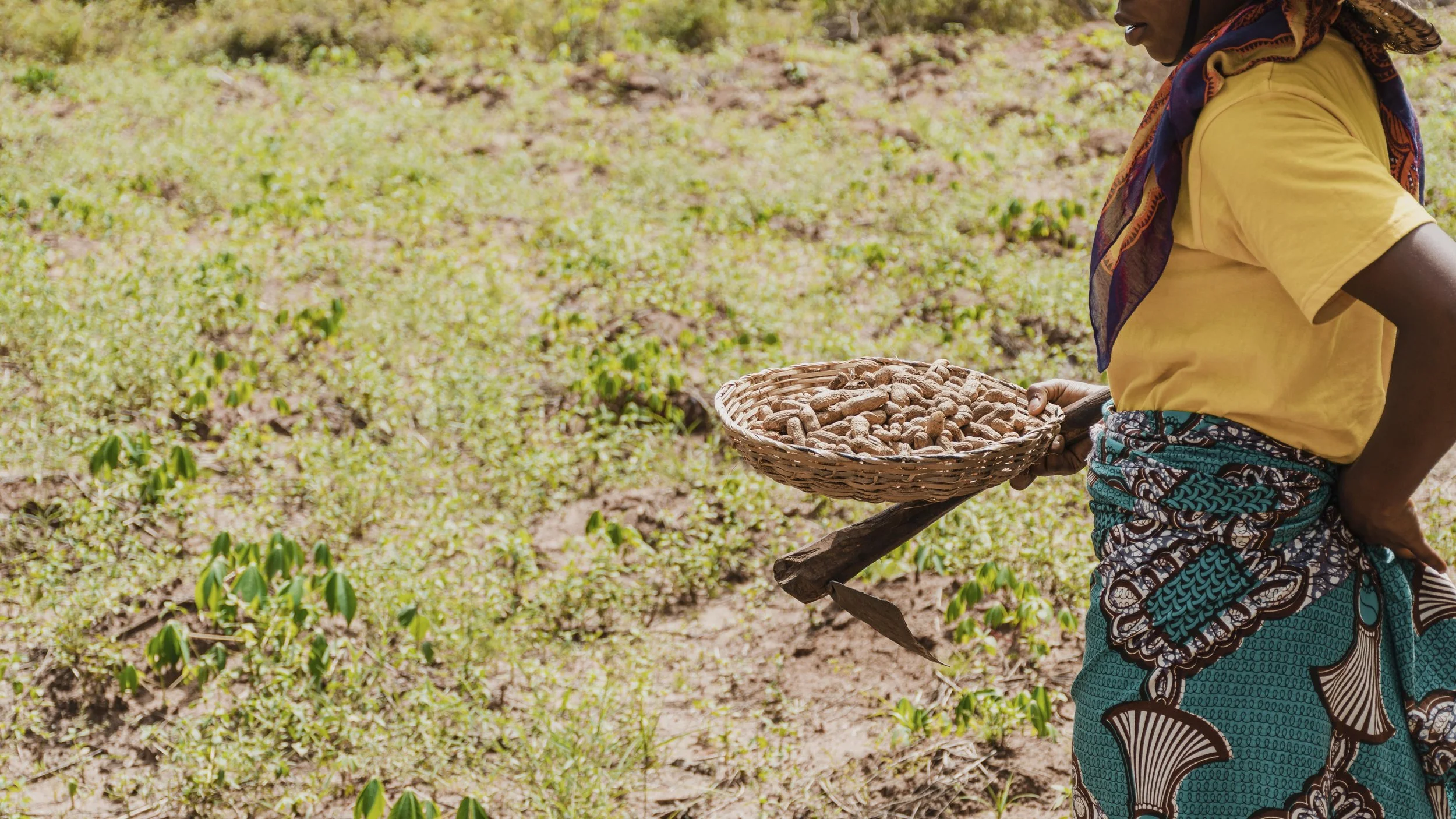
For the past 15 years, Jamie has devoted his career to one remarkable crop: peanuts. With their rare ability to survive in dry, infertile soils, peanuts are often the most valuable crop for the world’s most marginalized farmers. Economically viable, nutritionally rich, and environmentally resilient, peanuts became Jamie’s tool for transformation and the peanut research community became his professional and personal home.
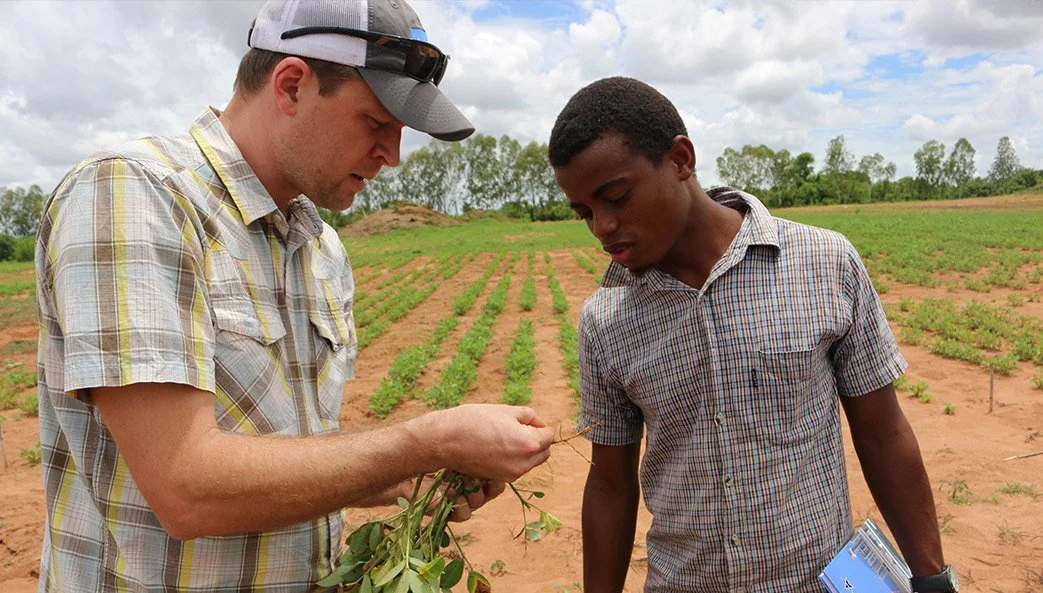
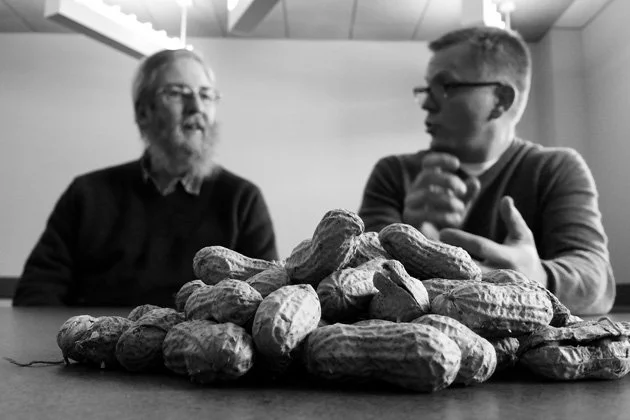
At the heart of this work was the Feed the Future Innovation Lab for Peanut, based at the University of Georgia. It was part of a U.S. global hunger initiative created under President Obama following the 2008 food crisis. Jamie and Director Dave Hoisington took over the lab’s leadership in 2012, bringing together complementary strengths—genetics and systems thinking—to shape the lab into a globally respected force. With renewed funding in 2018 and again in 2023, they were just hitting their stride.
Global Impact, Local Roots
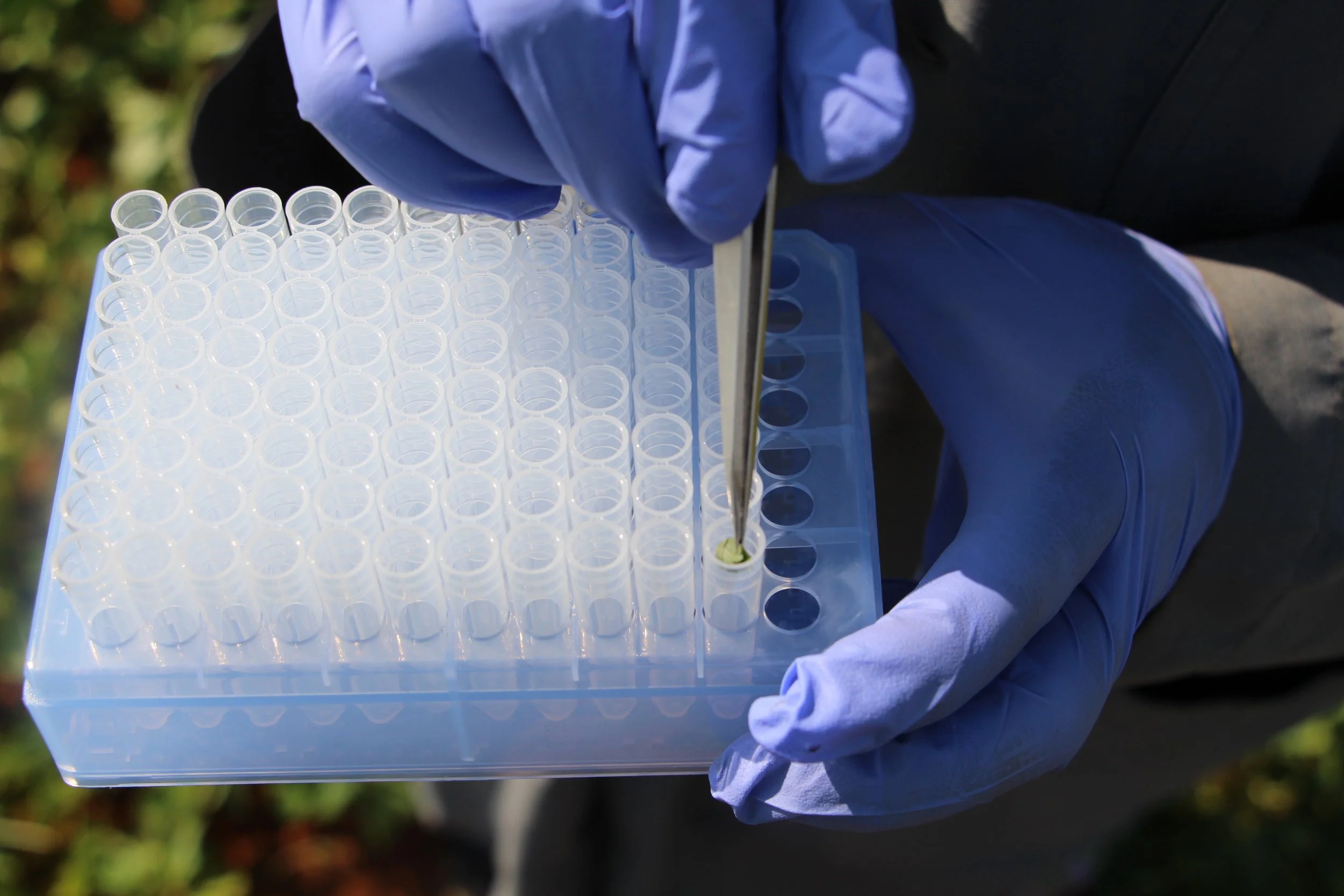
The lab operated through a wide-reaching network—linking American and African universities, research institutions, and farming communities across more than a dozen countries. One of its greatest achievements was the creation of GINA (the Groundnut Improvement Network for Africa), a South-to-South breeding collaboration with U.S. technical support. The lab also strengthened national research programs and introduced improved peanut varieties and agronomic practices on the ground.
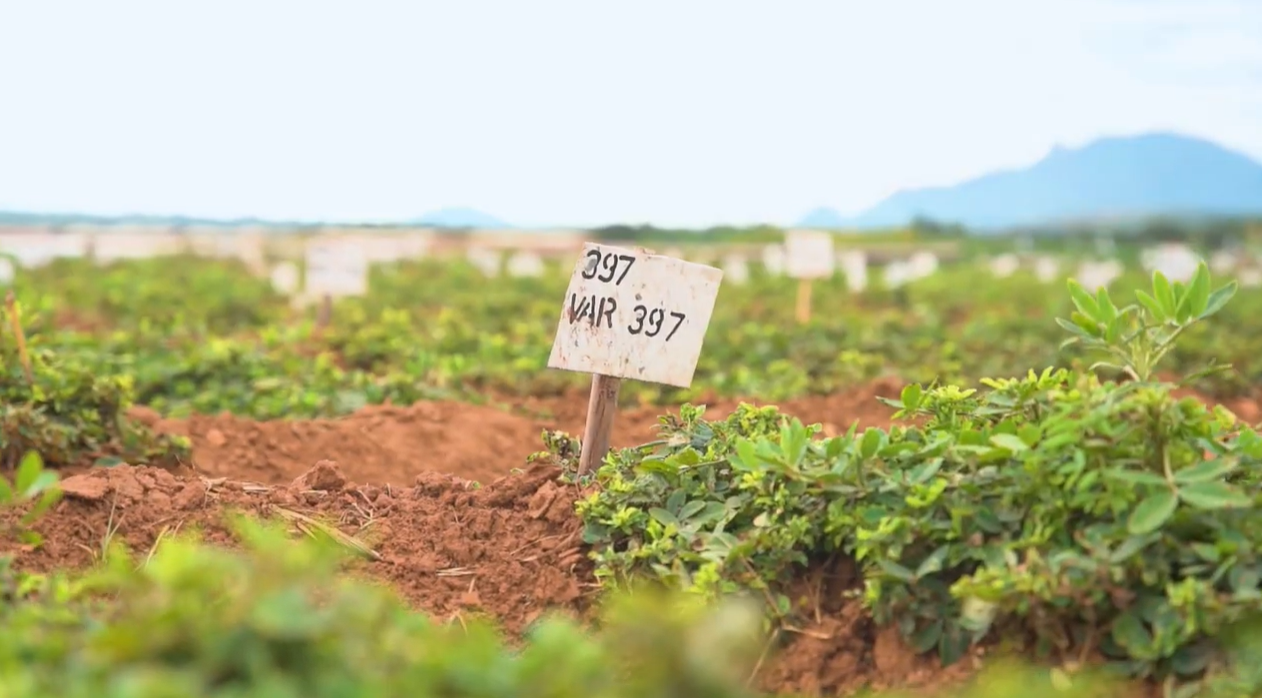
In Malawi, the lab played a key role in helping shift the economy away from tobacco dependency by investing over $15 million into the peanut value chain, reaching 10,000 farmers and creating market alternatives. In Madagascar, the lab had just begun to lay the foundation for a new era of agricultural development—introducing improved seeds and training—but the momentum was abruptly cut short before it could take root.
The Shutdown
In January 2024, while Jamie was in Malawi for a research trip, a sudden order came down from USAID: the program was being “paused for review.” Within weeks, the lab was shut down. Despite bipartisan congressional support and years of proven impact, the decision came with no transparency, no proper evaluation—and no plan to continue the work. Overnight, the only U.S.-based global peanut research lab was gone.
The consequences go far beyond peanuts. Without continued investment, the infrastructure built to support food security, disease resistance, and local innovation begins to erode. The lab’s closure not only left partner countries without support—it also severed the United States’ scientific connection to critical global systems. “America First,” in this case, meant America alone—and dangerously disconnected.
In the wake of the shutdown, Jamie and his team have been working tirelessly to find new sources of funding. But the landscape is bleak: U.S. foundations face political pressure, European donors are pulling back, and many African nations are too strapped with debt to step in. Universities and commodity groups have expressed support, but without federal leadership, the path forward remains unclear.
Right now, Jamie is in Senegal, meeting with the Gates Foundation and other stakeholders in a effort to revive the lab’s core research. There’s movement. There’s interest. But nothing is guaranteed. The story is still unfolding—and the stakes remain global.
Seeds for the Future isn’t just a story about science. It’s about the human cost of political decisions, the quiet power of a humble crop, and the fragile systems we rely on to feed the world—systems now disrupted by the sudden loss of humanitarian aid, medical supplies, and support for vulnerable farmers. In the long term, it marks the unraveling of a generation’s progress in poverty reduction and nutrition, the erosion of U.S. leadership in global agricultural research, and a blow to the resilience of smallholder farmers facing climate and market shocks.
What happens when we dismantle something that works? And what will it take to grow it back?
the project.
Seeds for the Future is a politically urgent, emotionally resonant documentary set at the intersection of science, global food systems, and quiet human determination. It traces the rise and sudden shutdown of the Peanut Innovation Lab at the University of Georgia—a unique research initiative that connected American scientists to farming communities across Africa, working to combat poverty, hunger, and malnutrition through peanut science.
Framed through the perspective of program leader Jamie Rhoads—a soft-spoken but unwavering agricultural scientist whose path began on a dairy farm in Virginia—the film follows the lab’s evolution from a promising U.S. development initiative into a thriving global research network. It blends policy and personal story, tracing the work from rural Georgia to the red soils of Malawi and the coastal villages of Madagascar, capturing a quietly radical vision: that science, when shared with intention and equity, can transform lives.
The documentary moves through distinct chapters—beginning with the lab’s roots and growing influence, then shifting to the abrupt political decision that unraveled years of progress, and finally landing in a fragile present where Rhoads and his team are racing to save what remains. The tone balances institutional insight with personal storytelling—more collective memory than exposé, steeped in both technical specificity and human empathy.
Visually, Seeds for the Future unfolds across continents, contrasting the sunlit fields of African peanut farms with the muted, fluorescent tones of U.S. research labs and D.C. policy offices. Over time, the cinematography leans into the textures of resilience: hands in soil, late-night strategy calls, seeds passed from one generation to the next. As the story builds, the camera lingers longer on faces—on the young scientists, farmers, and community leaders left suspended in uncertainty when the funding vanished.
This is a short film about systems and the people inside them—a slow burn that asks how fragile progress can be when the politics of a nation ignore the work that quietly feeds the world. It’s a story of disruption, yes, but also one of endurance, care, and the search for new ground where something can still grow.
Seeds for the Future reveals how one humble crop, long tied to the South, became a quiet powerhouse in the fight against global hunger. This is a story for audiences who value science, storytelling, and the unexpected ways local traditions—like peanut farming—can create global impact through innovation, resilience, and collaboration.
the characters.
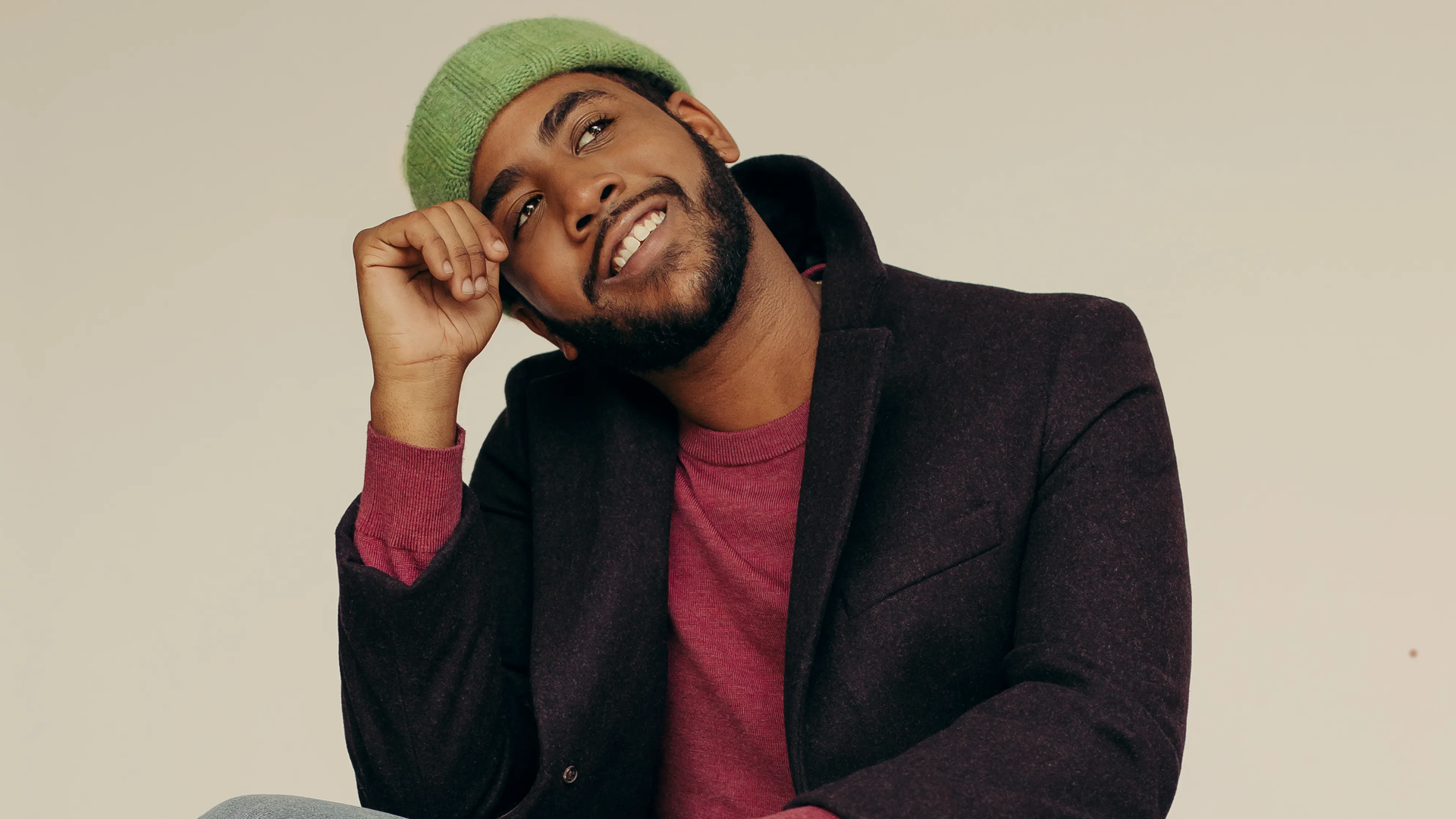
Jharrel Bueno
is an overachiever, the first in his family to go to college, become a doctor, and migrate to the U.S. He loves helping others. Every year in residency, he won the best rapport with patients. Jharrel loves being among his friends, but after a few heartbreaking romantic relationships and moving to this new town, Dr. Bueno finds himself as lonely as he has been in years. He is now the single one among married or settled friends, and he is ok with that, but he needs some companionship. Suggested cast: Jharrel Jerome.
April Tejada
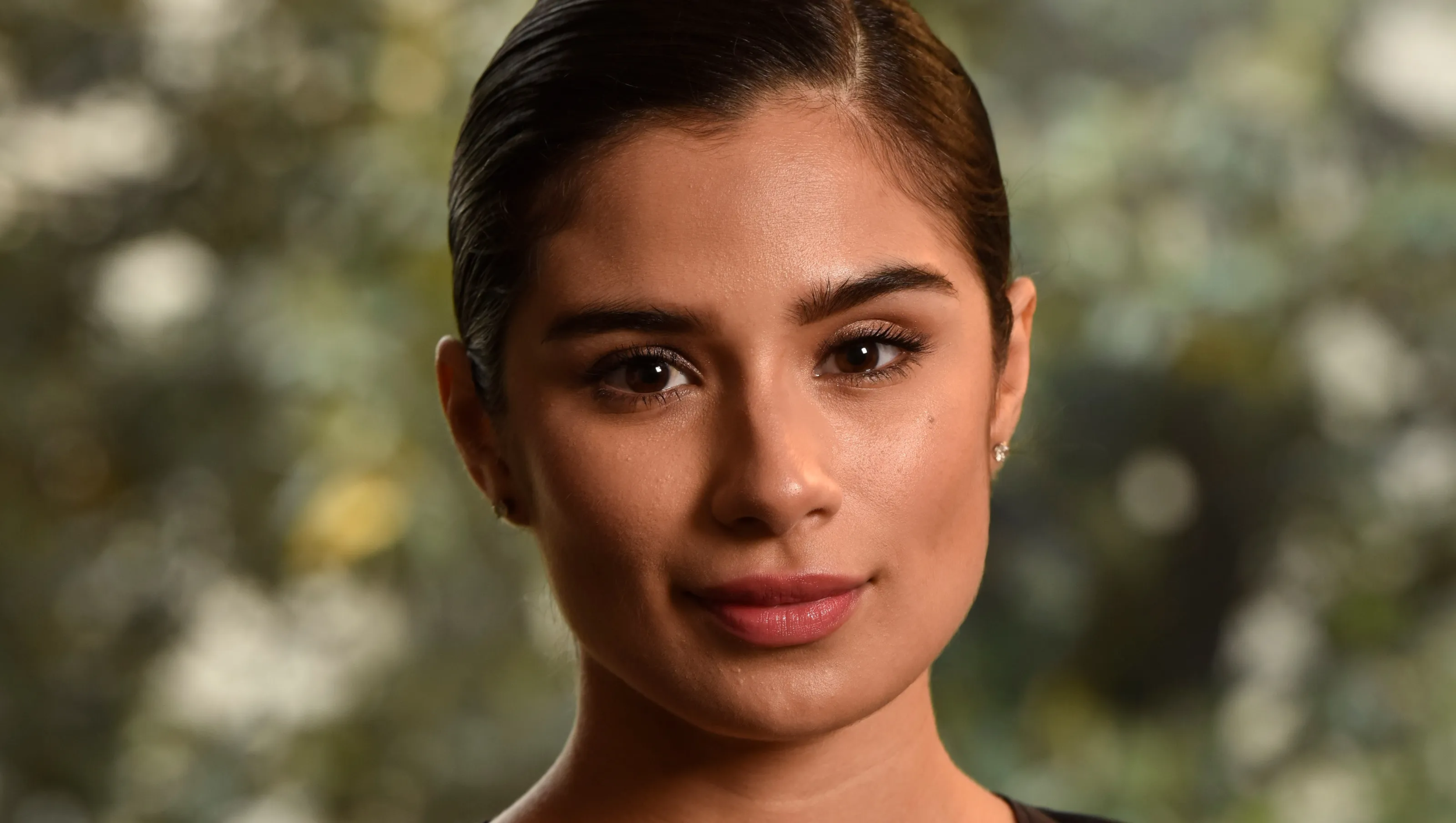
was born in Thomson, GA. She was part of a small Latino community; her nickname was "blanquita" because she was the fairest of the family. Throughout middle and high school, April passed and found herself losing her identity more and more. By the time she was in college, she had an identity crisis. Her mother's accident made her life perspective change. April is selfless and kind, but life has made her careful who she lets her guard down with. Suggested cast: Diane Guerrero, Alycia Pascual-Peña
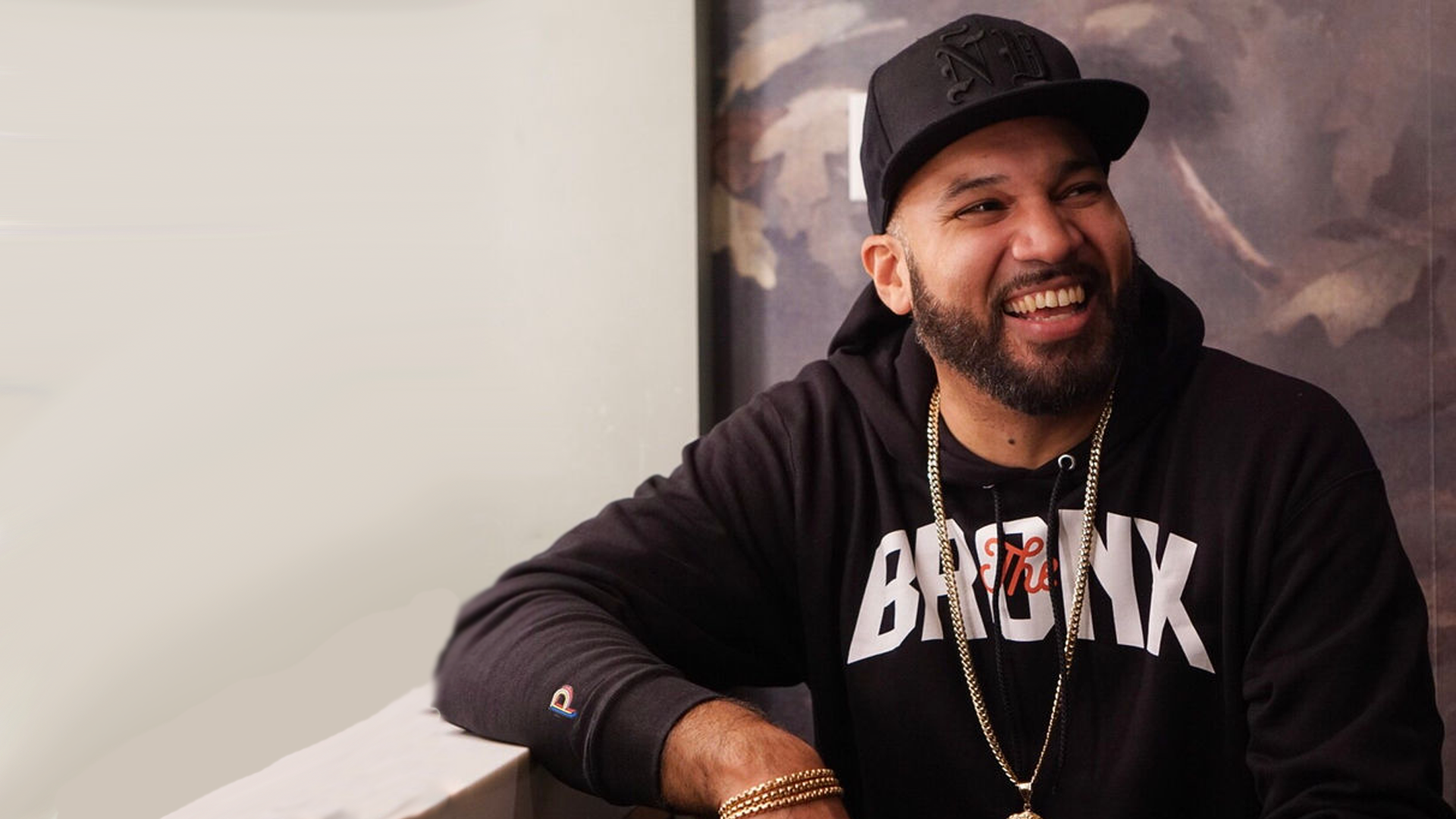
Frank Espaillat
wanted to be a baseball player, but he became a successful doctor. Once he moved to the U.S., he learned to switch, but he went too far; he is one person at the hospital and another outside. He loves Paola, and he will do anything for her. Suggested cast: The Kid Mero.
Paola Rodríguez
is a pediatrician in a low-income part of town, and she loves being a doctor. Paola is like a mother to the group of Dominicans; she cooks for them, is there for them emotionally, and will take care of minor everyday stuff. Paola is driven, but doesn’t let that affect how she treats others. She loves Jharrel like a brother, and Jharrel sometimes depends on her too much, which makes Frank jealous. Suggested cast: Dascha Polanco.

Roman Nuñez
has wanted to be a doctor since he can remember. He also knew that he needed to migrate to be free and open about his sexuality. Roman is a romantic; he finds the good in everything and will help Jharrel understand his feelings for April. Suggested cast: Marcelo Hernández.
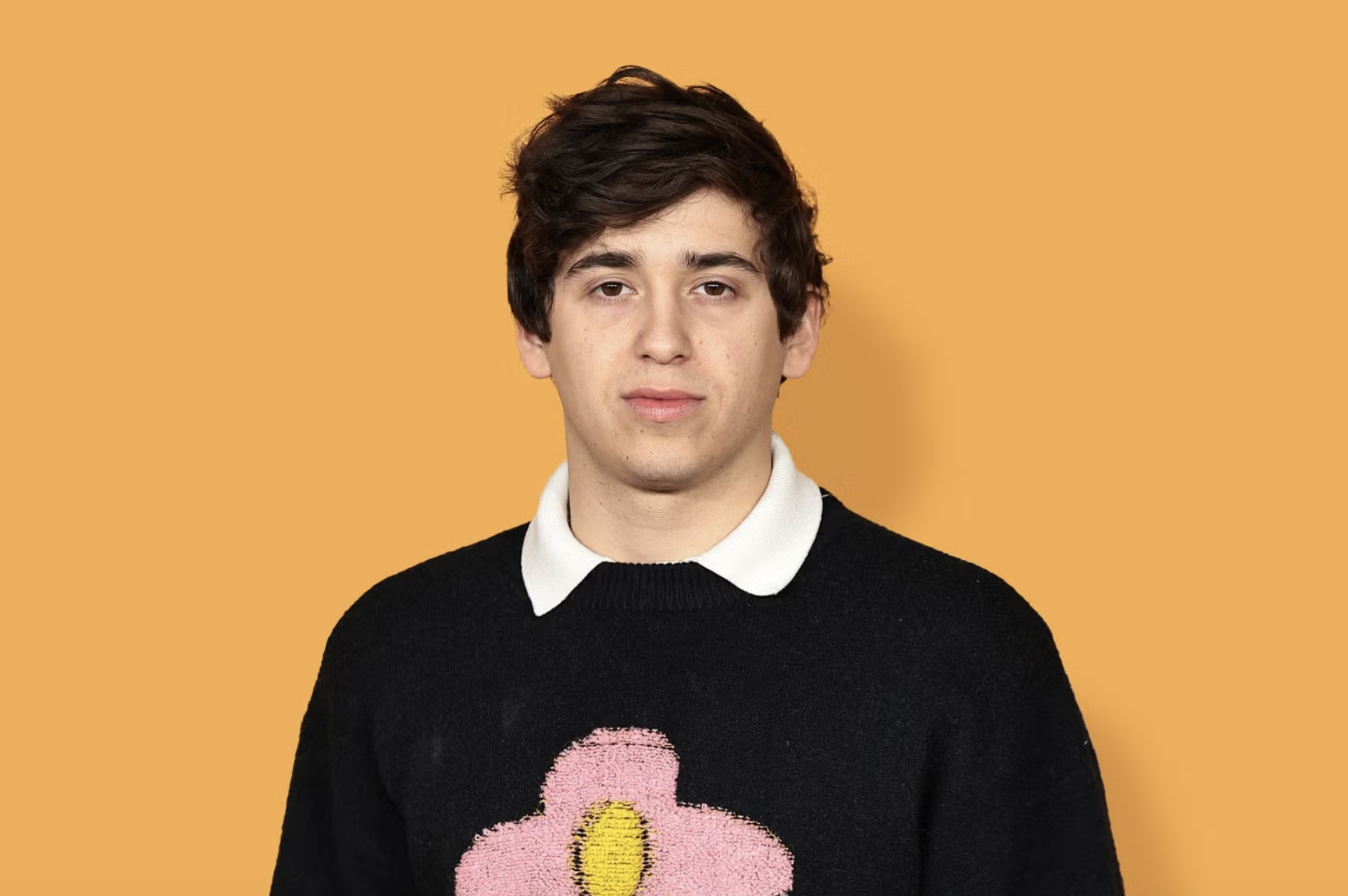
Aida Rogers
fell in love with concert lightning when she saw RUSH with her father at the age of 7. She started working at a local concert hall in Athens but now she’s ready for a bigger venue and a more diverse crowd in Atlanta. She is tough, direct but a softy in the bottom. Aida, Karmen, and Zac make up April’s family in Athens. Suggested cast: Ariana Debose.
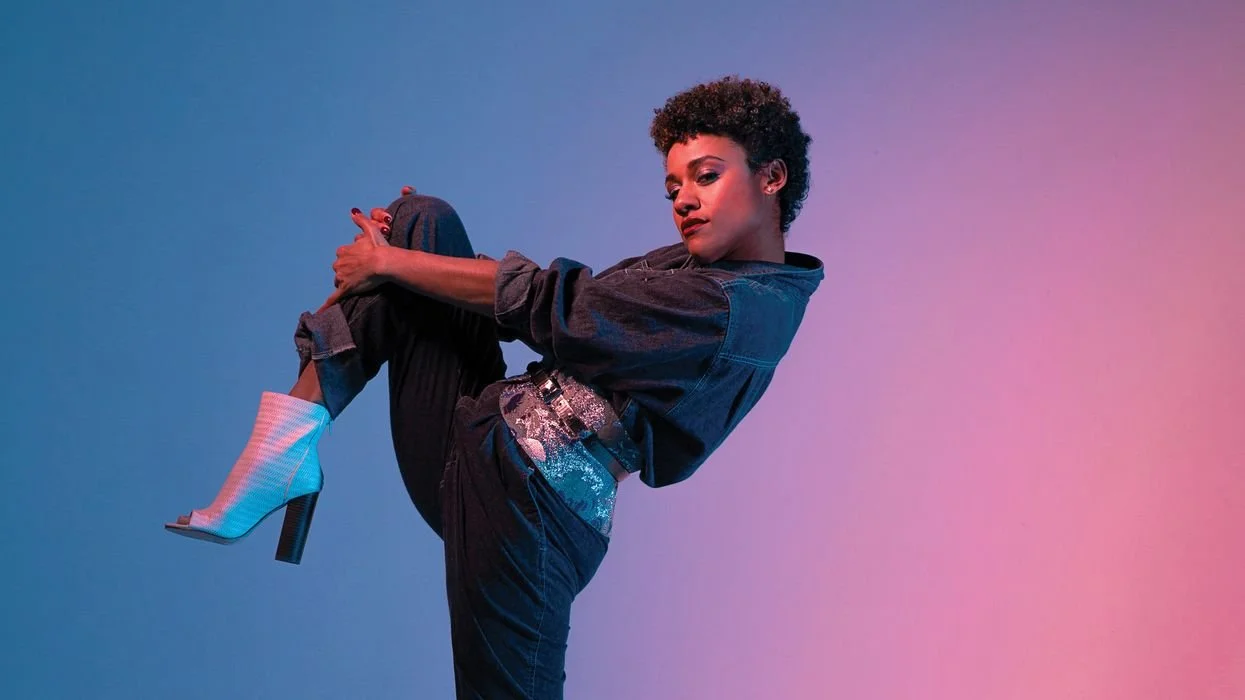
Karmen Smith
was the only Asian-American in his hometown in rural Georgia. Once he moved to Athens, he started working at the local newspaper, where he’s the town’s music critic. Witty, dry, and extremely mellow he helps April see the best side of things. Suggested cast: Jimmy O. Yang.
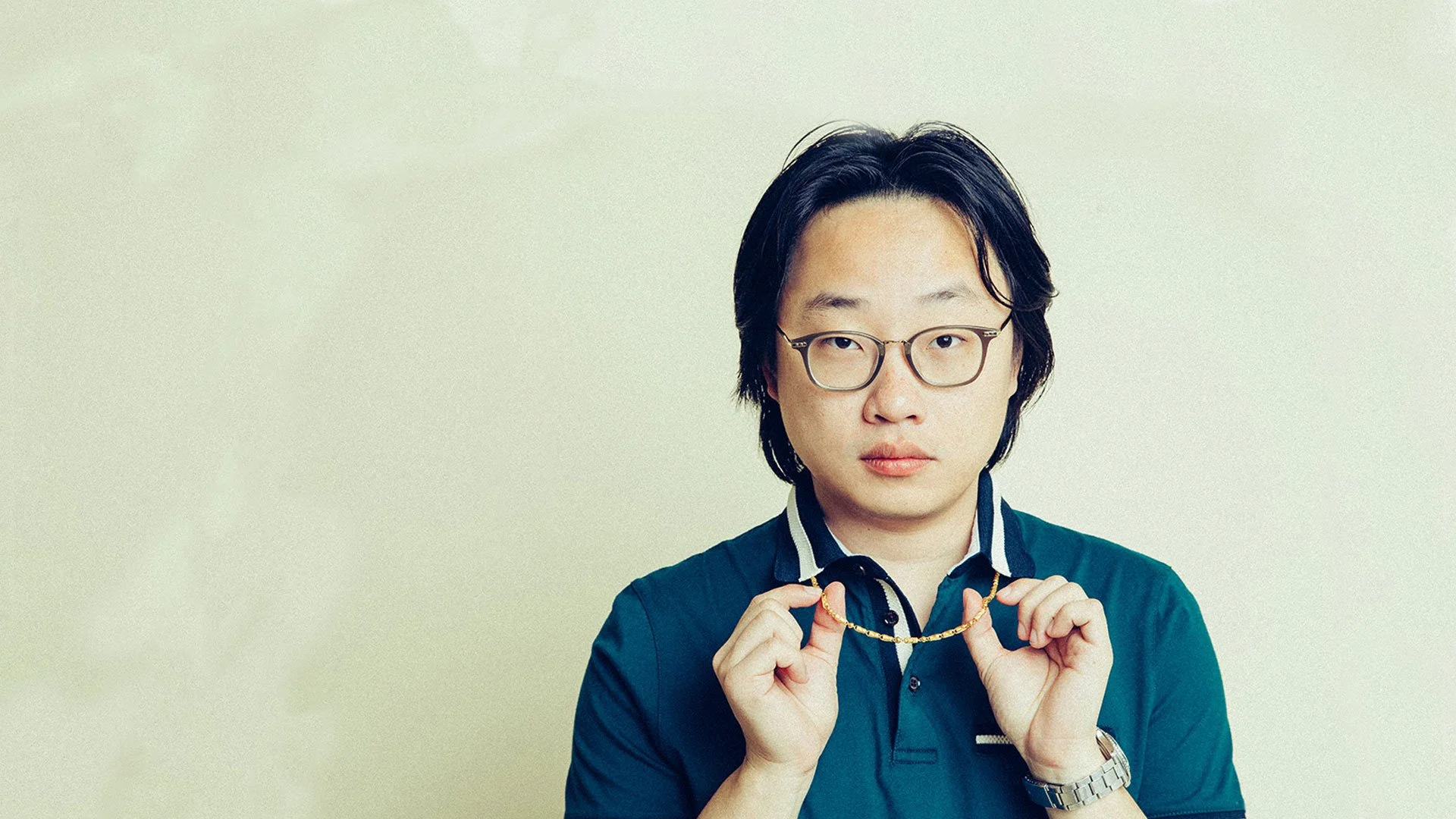
Zac Crook
is an aspiring musician with a minor hit in Germany. Music is everything to her, but she has to make a living, so she works as a barista. She’s disciplined, and even though she’s an artist, she’s very pragmatic, especially when it comes to relationships. She helps keep April grounded. Suggested cast: Sarah Sherman.
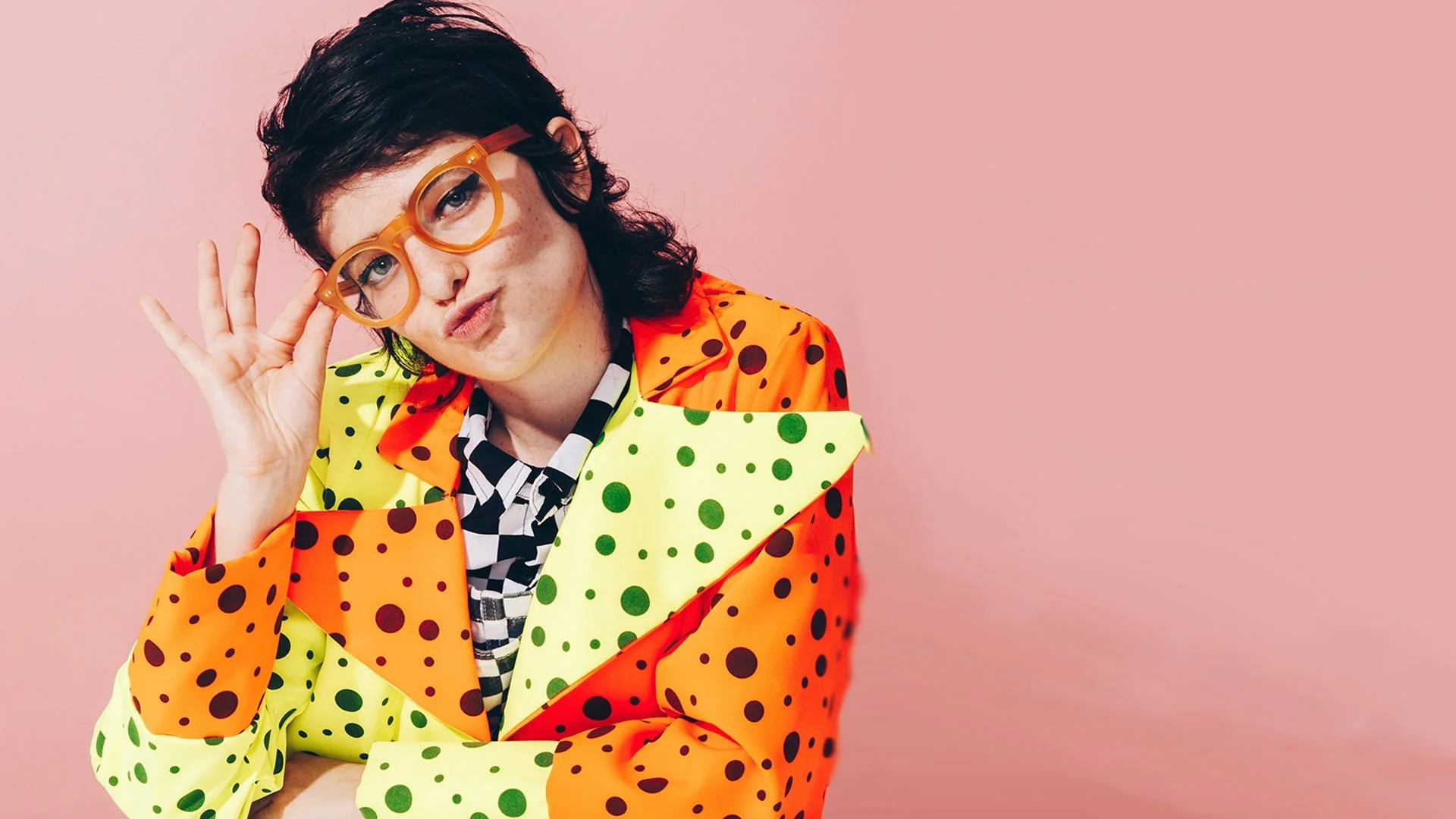
The Team
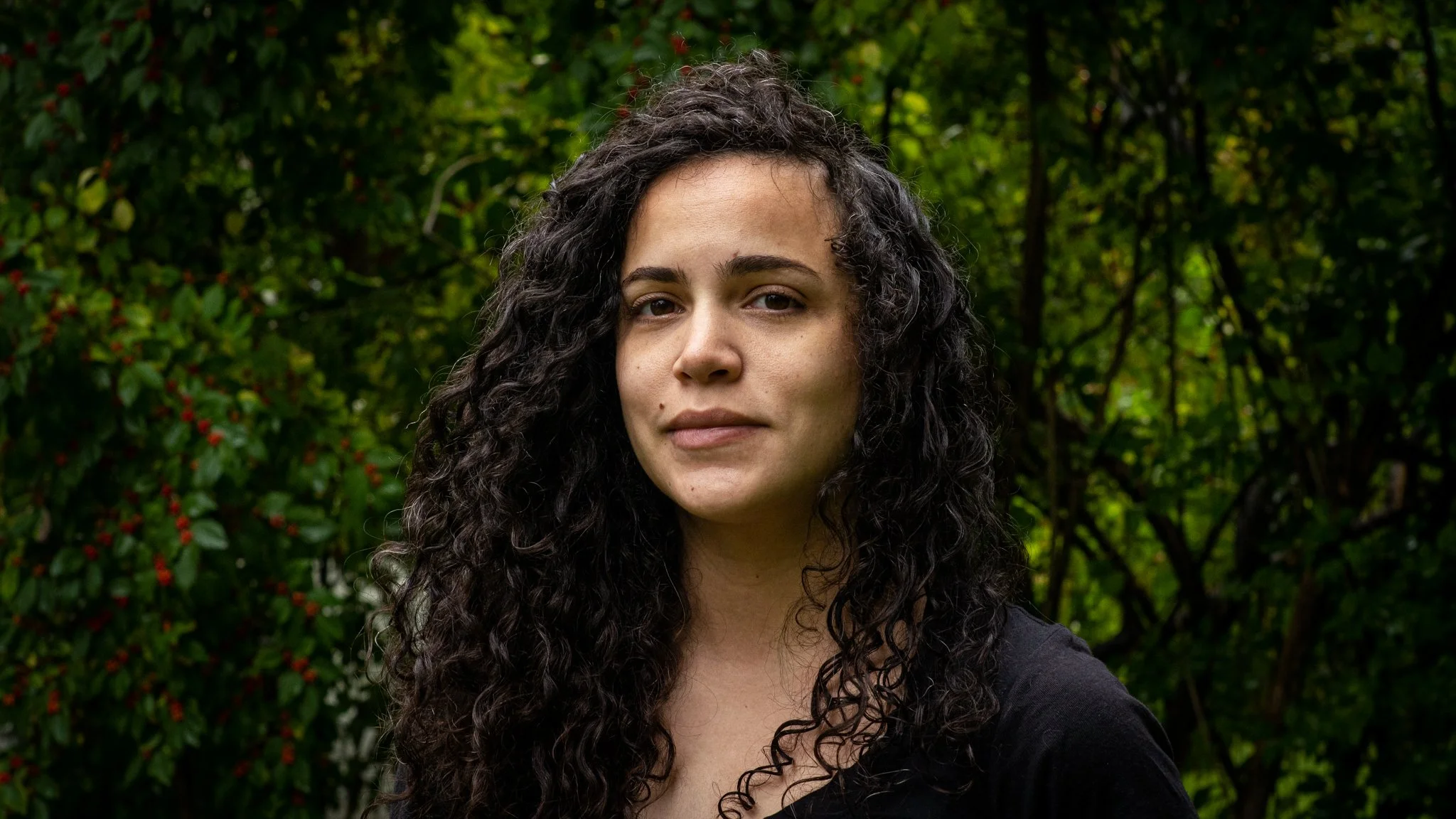
Wendy Muñiz.
Producer - Writer
Creative producer, scriptwriter, visual artist, and educator. A Dominican immigrant and first-generation student, she obtained a PhD in Latin American Cultures from Columbia University and is the cofounder of Zero Chill. Her work as a director, producer, and screenwriter has received the support of Ibermedia, DGCine (Dominican Republic), CNCINE (Ecuador), IMCINE (Mexico), and the Tribeca Film Institute, traveling worldwide from Cannes, BAFICI, Dok Leipzig, and Montréal World Cinema to Kolkata IFF, Sao Paulo, and Zlín. She is a graduate of the EAVE Producers Workshop and an Andrew W. Mellon and Woodrow Wilson Citizens and Scholars fellowship alumni for her work as a Latinx researcher and educator. Her latest fiction series MICHELLE REYES IS NOT OKAY was picked up by Amazon/Audible.
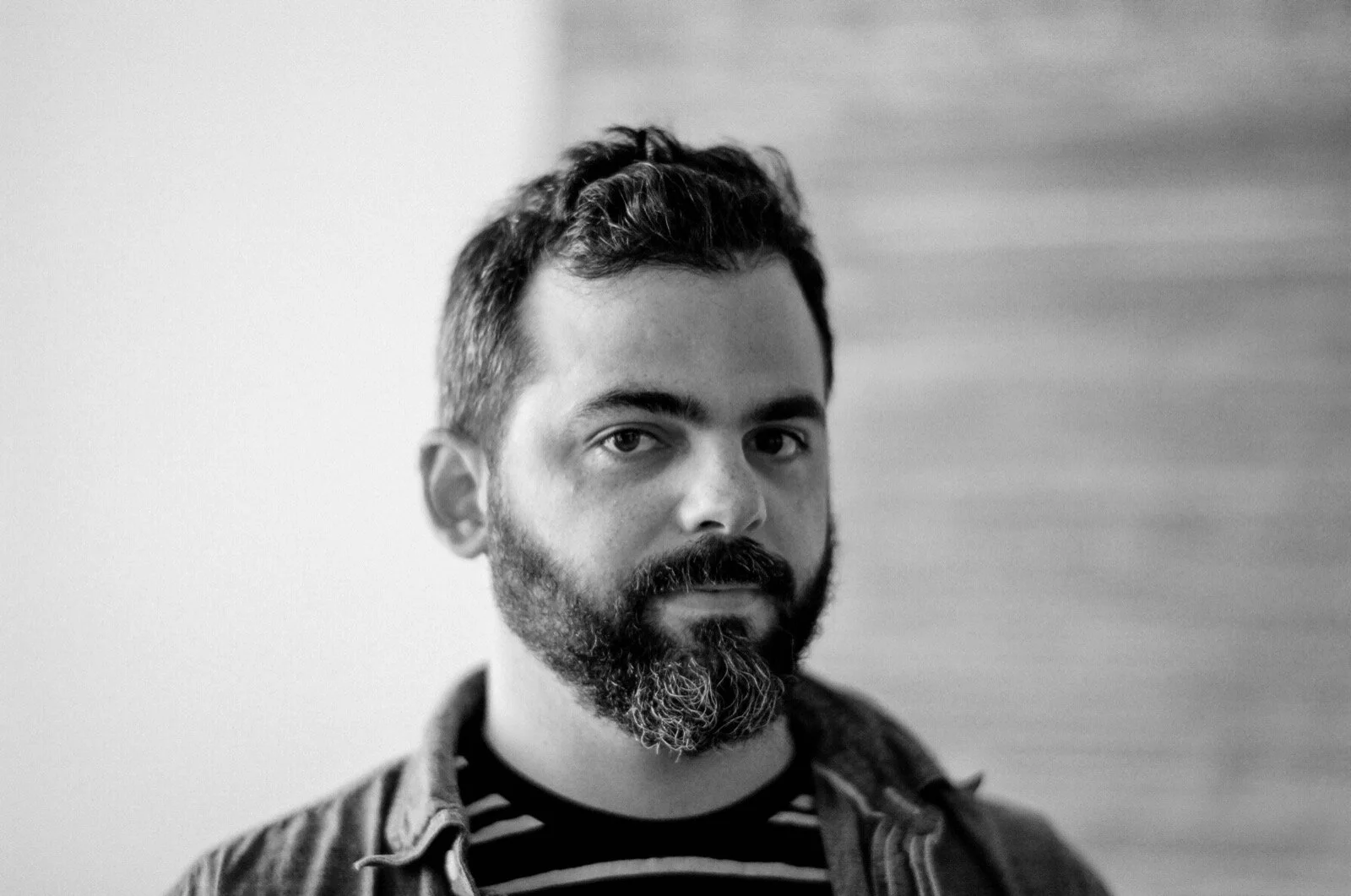
Guillermo Zouain. Producer - Writer
A Dominican-American producer, director, and editor. He received an MFA in film directing from the ESCAC and is cofounder at Zero Chill. His films have traveled worldwide through sales agents like M-Appeal and distributors that include Amazon. He also enjoys working as a creative producer for emerging Caribbean indie music bands. His latest fiction series MICHELLE REYES IS NOT OKAY was picked up by Amazon/Audible.