"I feel like a portion of our population is so sheltered from real-world poverty and problems that they can turn their backs on such fundamentally correct things without any moral qualms… even with a sense of righteousness. “
- Jamie Rhoads (Assistant Director of Feed the Future Innovation Lab for Peanut)
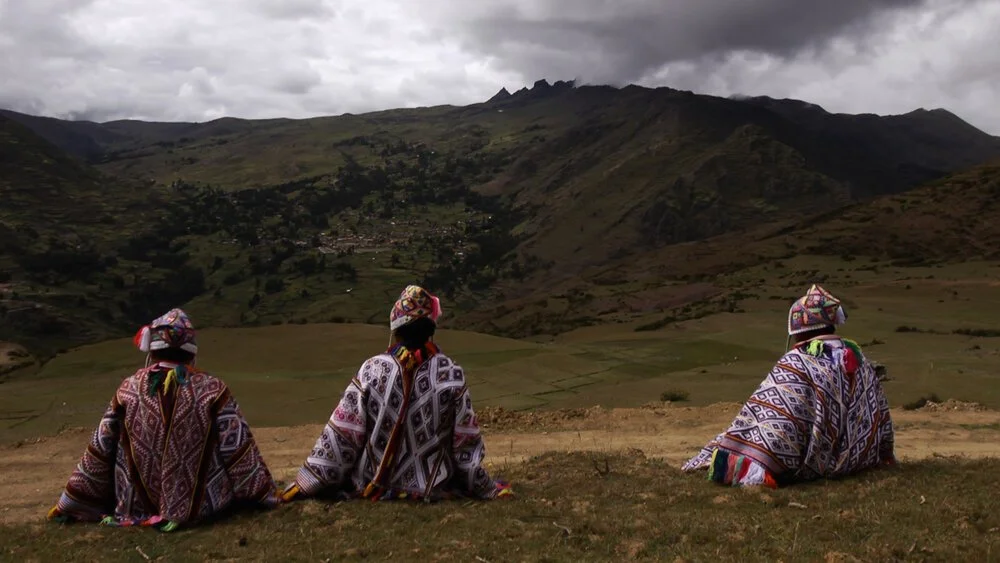
In January 2025, a single stop-work order dismantled fifteen years of agricultural research that connected farmers from Virginia to Madagascar through the "power of peanuts."
The Feed the Future Innovation Lab for Peanut—a $15+ million network spanning twelve countries—was terminated without review, severing relationships built over decades and abandoning thousands of farmers mid-harvest.
This isn't just another budget cut; it's the unraveling of a functioning system that took generations to build, with consequences that will ripple through global food security for decades to come.
As one researcher put it…
“WE PROBABLY SET BACK THE GLOBAL DEVELOPMENT AGENDA BY A GENERATION.”
THE STORY.
When A System That Worked Was Dismantled Overnight…
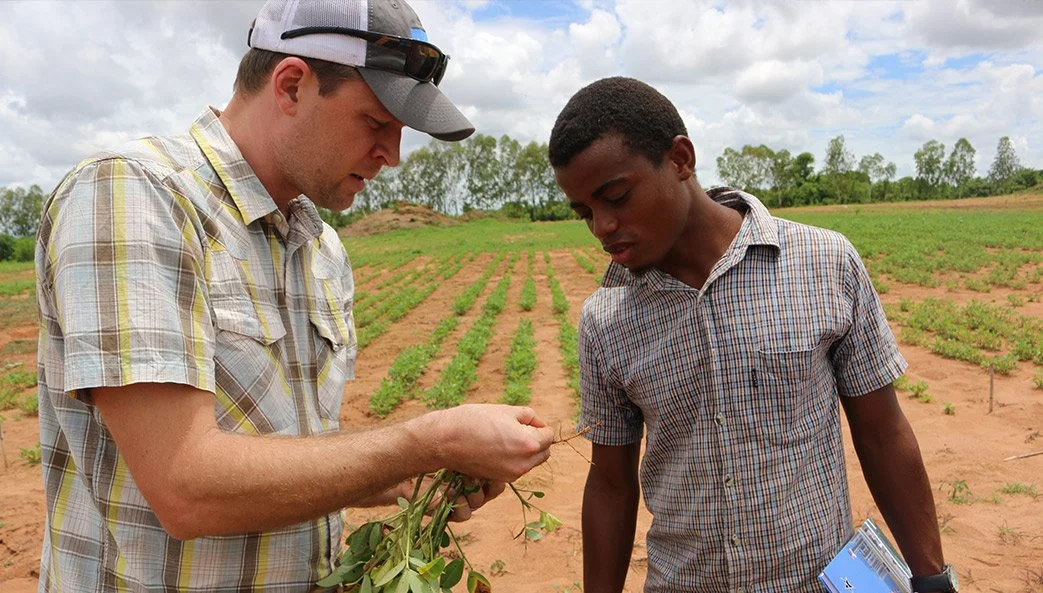
In January 2025, a functioning agricultural network that had taken fifteen years to build was dismantled in ninety days. The Feed the Future Innovation Lab for Peanut was the only lab dedicated to researching peanuts in the United States, headquartered in Athens, Georgia. The lab connected a close knit of researchers and farmers across twelve countries through a shared mission: reducing poverty and malnutrition through the power of peanuts. From Virginia's research stations to Madagascar's agricultural programs, from American tobacco companies in Malawi to extension agents across the Peanut Belt, this network represented something rare in international development—a system that actually worked.
Global Impact, Local Roots.
At its center was Jamie Rhoads, a Virginia farm kid whose childhood loss of family land to housing development planted early seeds of passion for agriculture and conservation. A formative trip to Haiti at eighteen showed him the deep connections between poverty, environmental collapse, and broken food systems—and how agriculture, done right, could offer a pathway out. For fifteen years, Jamie devoted his career to one remarkable crop: peanuts, which thrive in the dry, infertile soils where farmers struggle to grow anything else.
But this isn't Jamie's story alone. When the stop-work order arrived, it severed connections that spanned continents—Malagasy researchers who had just begun to share their findings about Groundnut Rosette Disease (GRD)—a peanut pathogenic virus that can cause catastrophic crop losses in African fields—into global knowledge networks, American scientists whose preventive work was informed by African disease patterns, Malawian farmers whose livelihoods connected them to international partnerships.
GRD is not currently found in the U.S., and its arrival would not spell the end of peanut farming here. In fact, a similar crisis unfolded in the early 1990s, when Tomato Spotted Wilt Virus (TSWV) nearly wiped out peanut production in the Southeast. Decades of breeding, agronomic research, and coordinated management eventually brought it under control—though at great expense. In Africa, where farmers often lack access to such resources and inputs, the consequences of GRD can be devastating.
The shutdown exposes how global agricultural systems actually function, how quickly they can be disrupted, and what's lost when political decisions sever relationships that took generations to build. The lab had two years left—time enough, they hoped, to study the data and turn it into preventive action. But the research was cut short.
When a crop-destroying virus threatens fragile farming systems, farmers and scientists across continents must work together to protect harvests and livelihoods.
Now, a new wrinkle has emerged: the possibility that the funding might actually return. In theory, this could restart the work—but the reality is far messier. The labs are gone. The staff has moved on. There’s no one left to manage contracts at the State Department or to carry out the research on the ground. Even if the money comes back, there is no clear mechanism to move it—a bit like food stranded in a warehouse, inaccessible to the people who need it most. In meetings with other Innovation Lab directors, hope for reinstatement is tempered by deep skepticism about the speed or feasibility of such a turnaround. The cuts were short-sighted; the potential restoration reveals the bureaucratic gaps that made them possible in the first place.
Documenting not just what was uprooted, but how people and systems adapt when the ground shifts beneath them, Seeds for the Future is a short-documentary series about the hidden infrastructure of global food security, the human cost of institutional destruction, and the seeds of resilience that survive even when the system collapses. A story unfolding in real time, as the lab slowly powers down over the coming months—shadowed by another clock: a virus, counting down.
THE PROJECT.
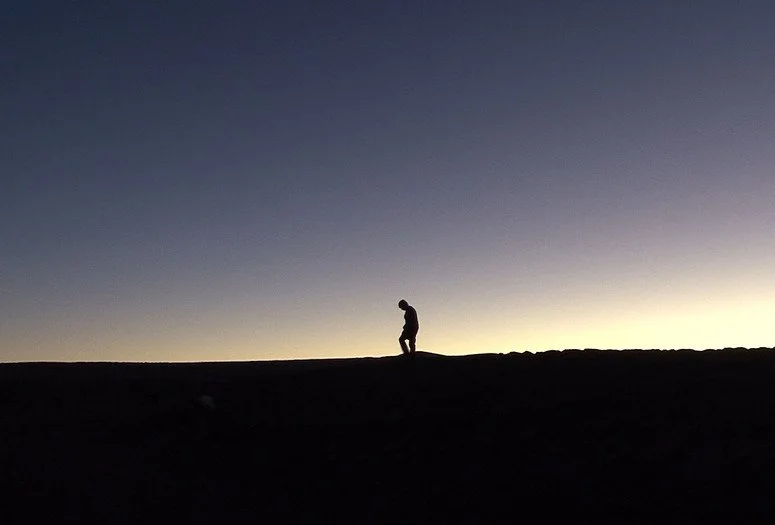
Seeds for the Future is a politically urgent, emotionally resonant short-documentary series set at the intersection of science, global food systems, and quiet human determination.
This is a five-part documentary series that follows a global agricultural network as it unravels—and fights to adapt—after a sudden shutdown threatens to erase years of peanut research and collaboration.
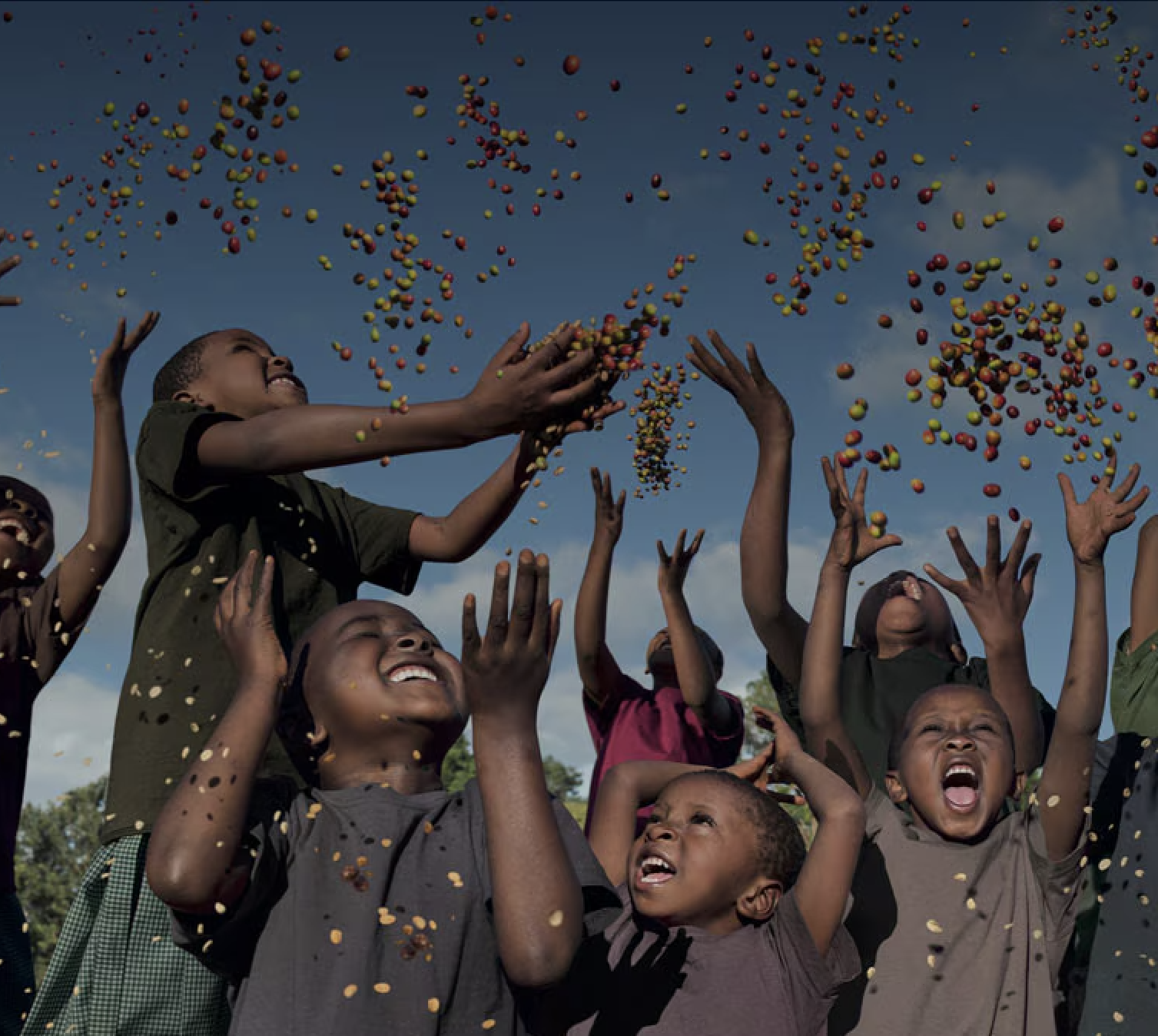
Told through five interconnected 10–12-minute episodes, each episode is structured around the peanut harvest cycle—from digging to drying to storage and distribution—mirroring the slow, deliberate labor of research and the fragility of what’s at stake.
In a world where previous rules no longer apply, this is a story of collapse, resilience, and the urgent race to hold something together before it’s gone.
The series blends policy and personal story, moving from rural Georgia to the red soils of Malawi, the research stations of Madagascar, and back to the American Peanut Belt.
We begin at the headquarters in Athens, Georgia, where the stop-work order lands. From there, the story unfolds across key sites: the mature, field-tested work in Malawi; the legacy-bound institutions of the U.S. Peanut Belt; the new and uncertain future in Madagascar. Members from organizations such as MANA Nutrition, Meds & Food for Kids (MFK), and other leaders in the Ready-to-Use Therapeutic Food (RUTF) field will share their perspectives as the documentary unfolds, revealing what is truly at stake in the final stages of these global food networks. In the final episode, all paths converge, as scientists, farmers, students, and partners across continents wrestle with the same questions: What do we save? How do we move forward? And can human connection survive when the systems we depend on fall away?
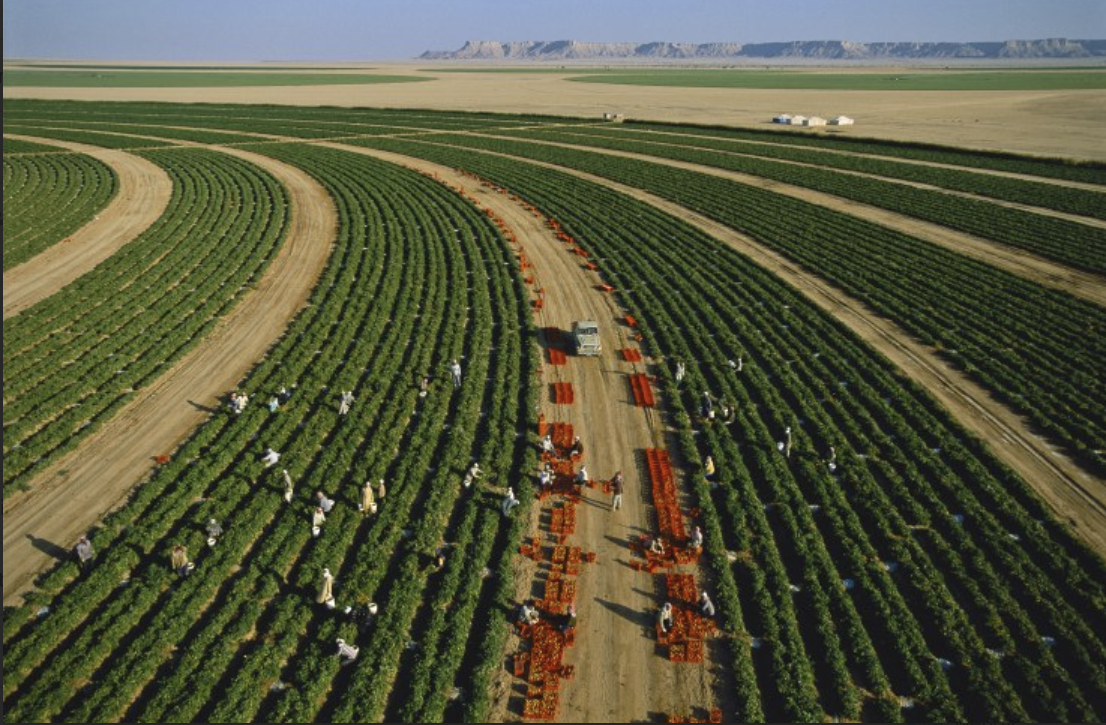
Seeds for the Future unfolds with quiet intimacy and careful observation. Like the documentary Honeyland (2019) by directors Tamara Kotevska and Ljubomir Stefanov, the series embraces natural light and close, tactile details—the cracked earth of fields, the worn hands of farmers, the quiet hum of research labs—juxtaposed with wide, still shots that reveal the vast landscapes of Georgia, Malawi, Madagascar, and the U.S. Peanut Belt.
Each episode moves through the lifecycle of peanuts—from digging to drying, storage to distribution—capturing not just the work, but the fragile connections between people, science, and the land. As both the network and the seeds confront disruption and uncertainty—from the lab’s shutdown to a looming virus—the camera lingers on quiet moments of care, adaptation, and resilience, evoking a world on the cusp of change.
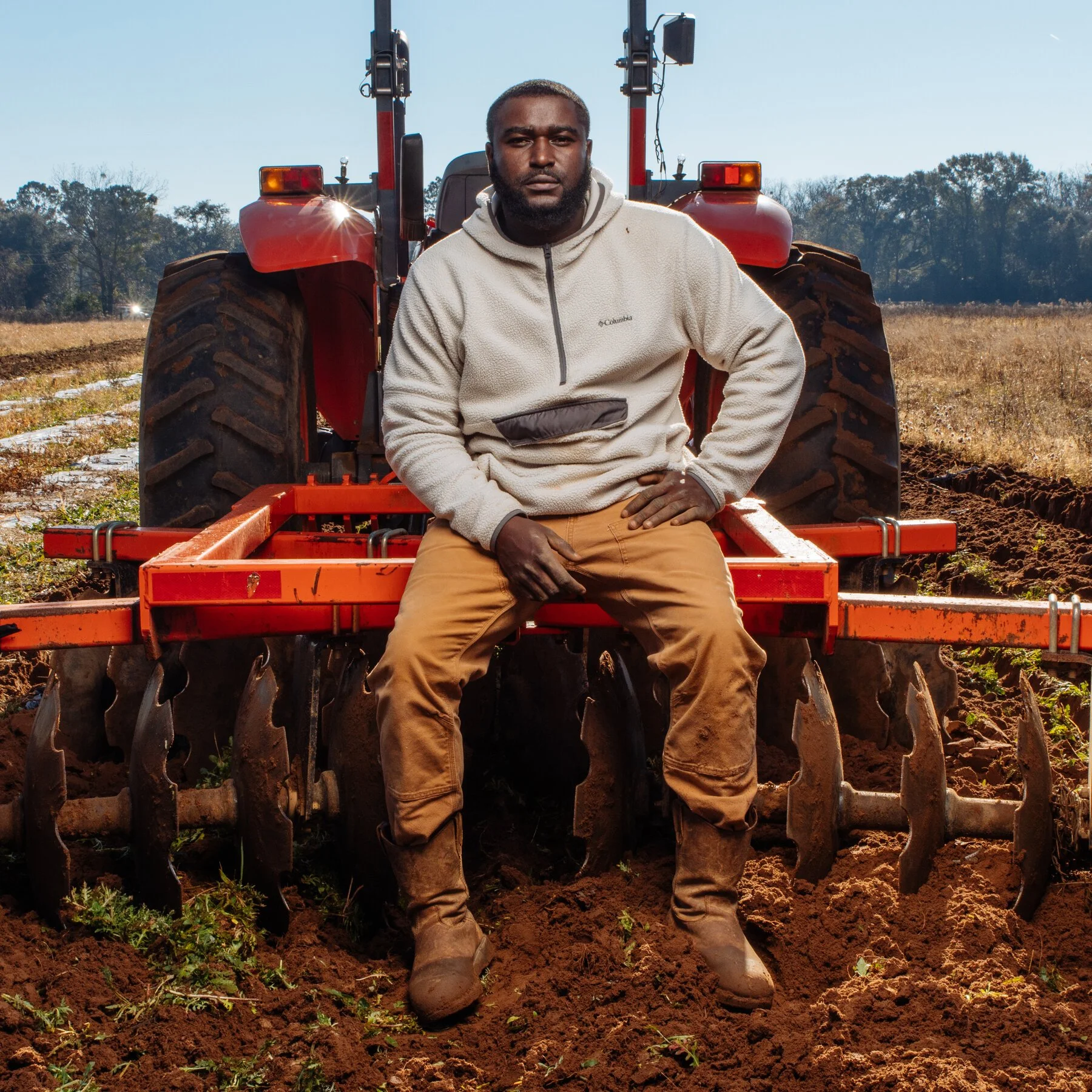
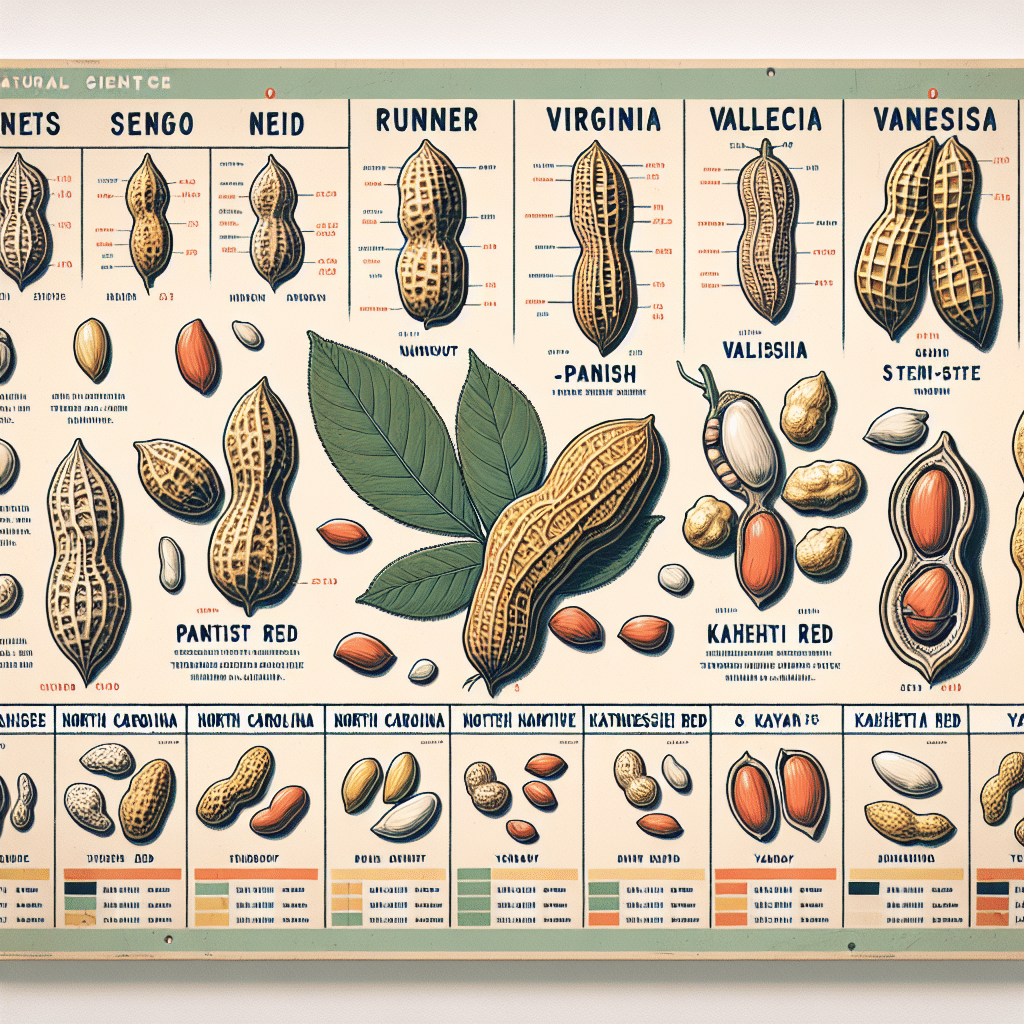
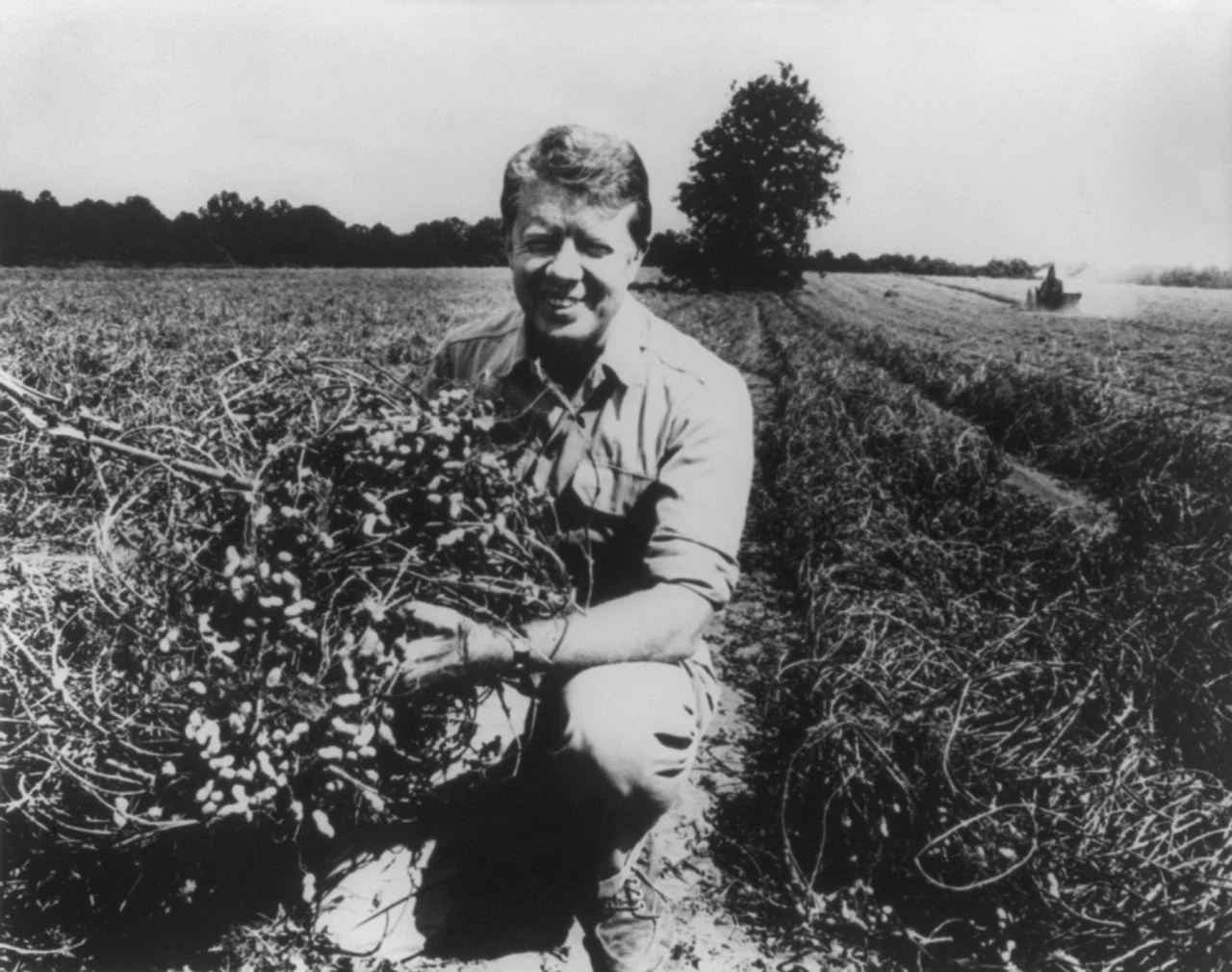
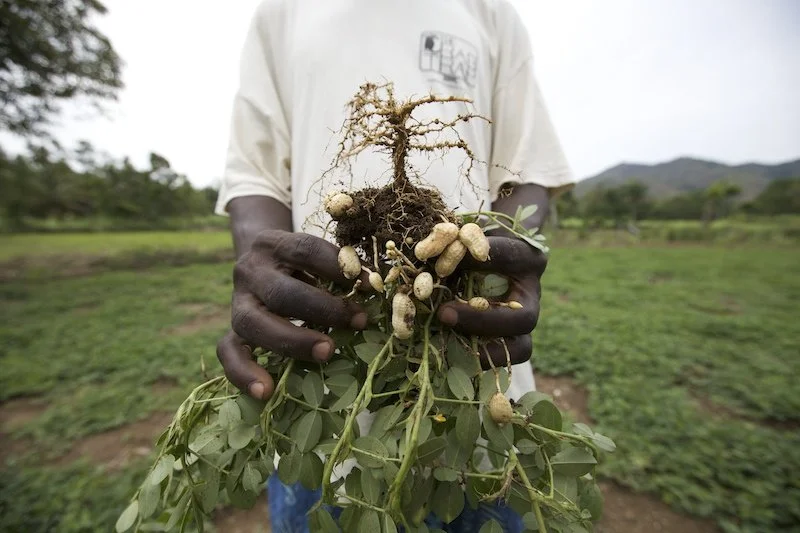
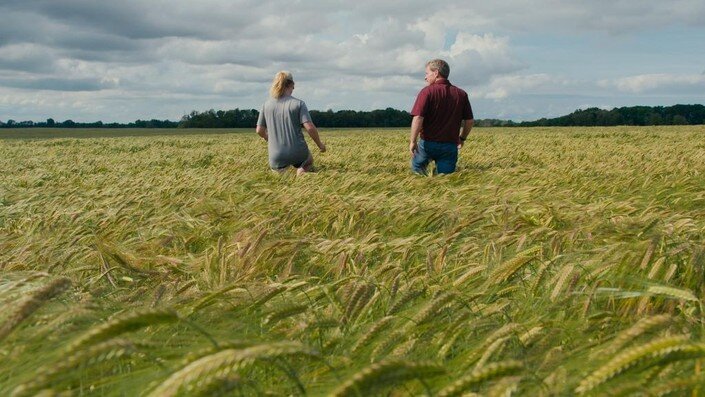
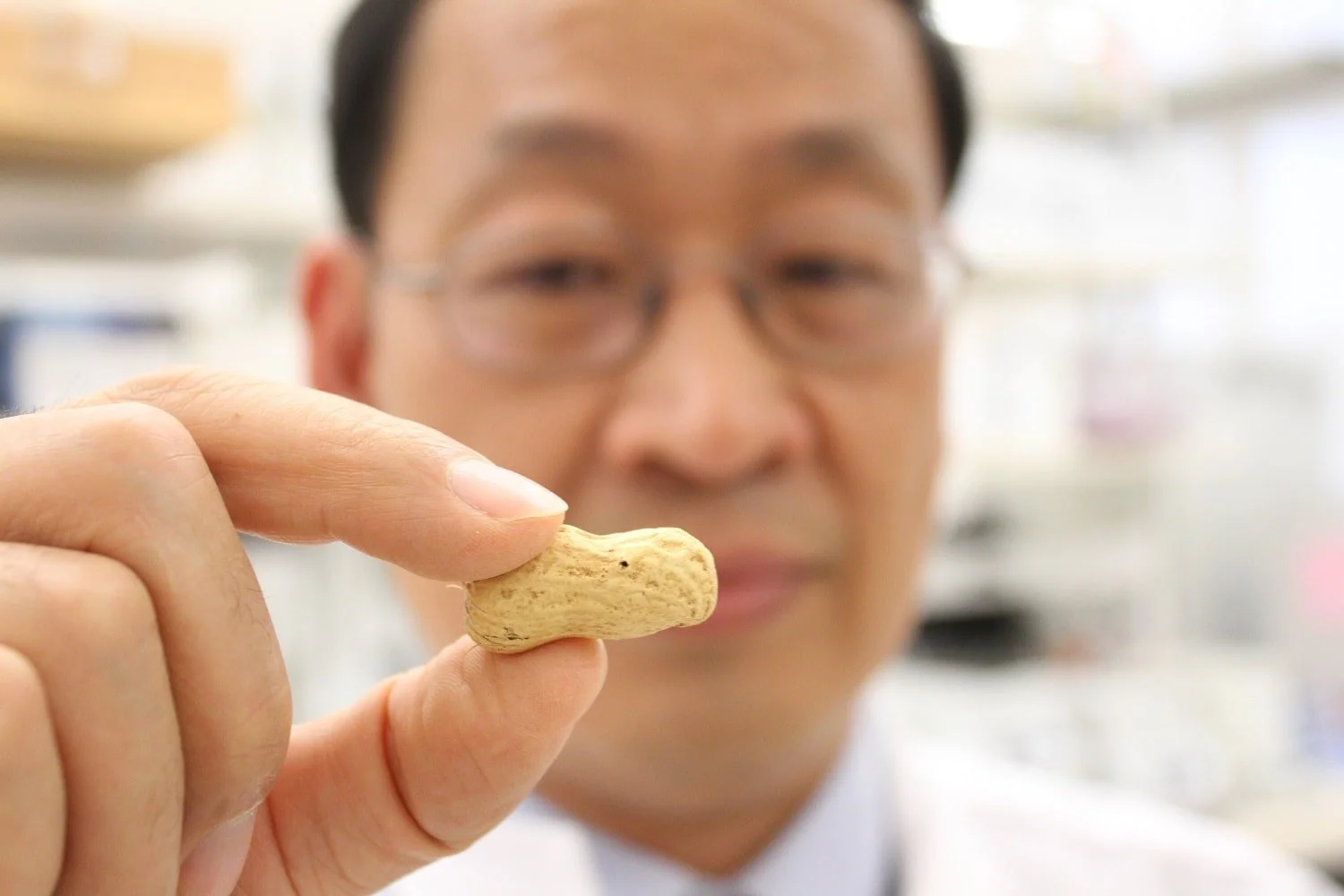
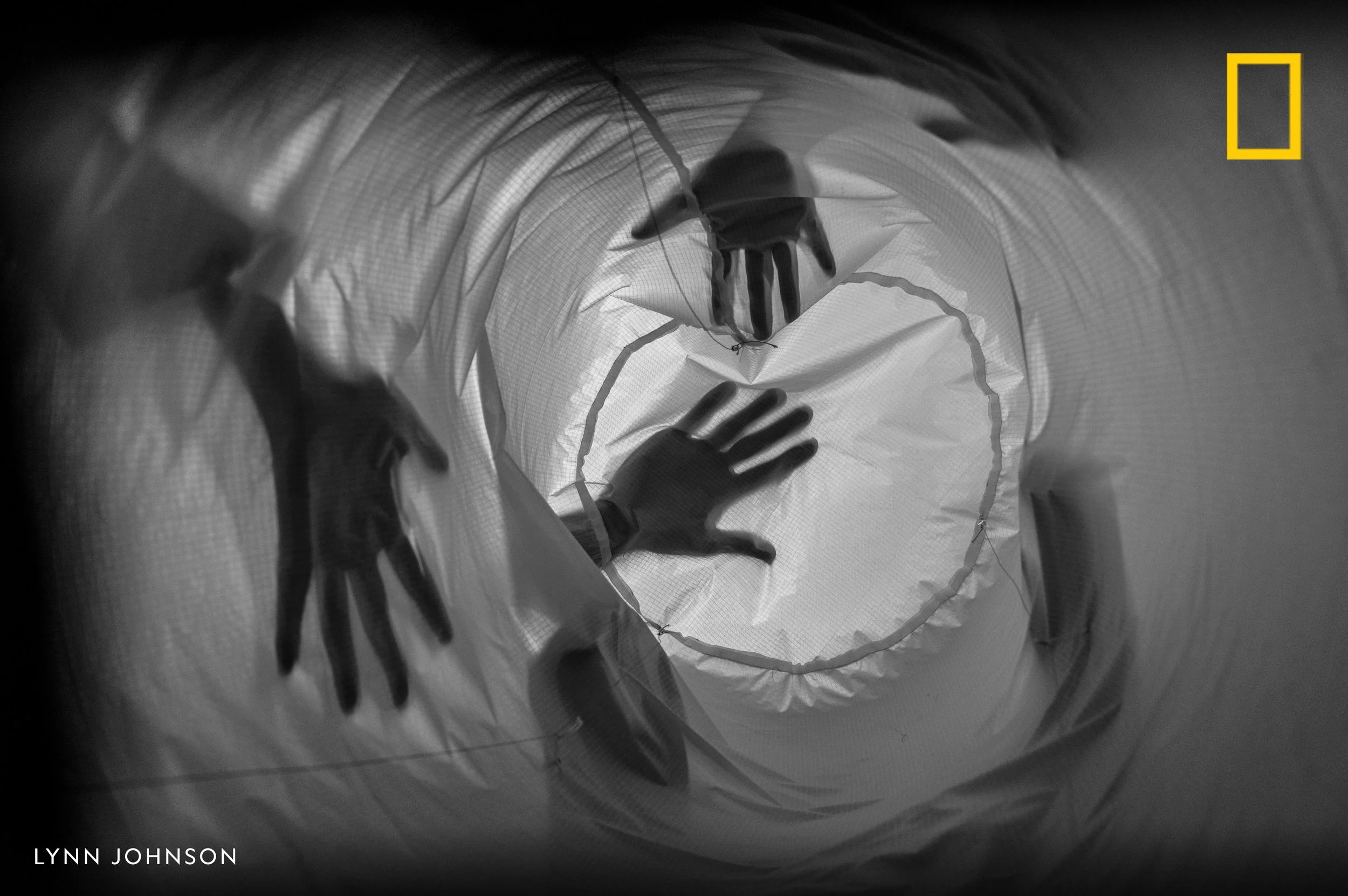
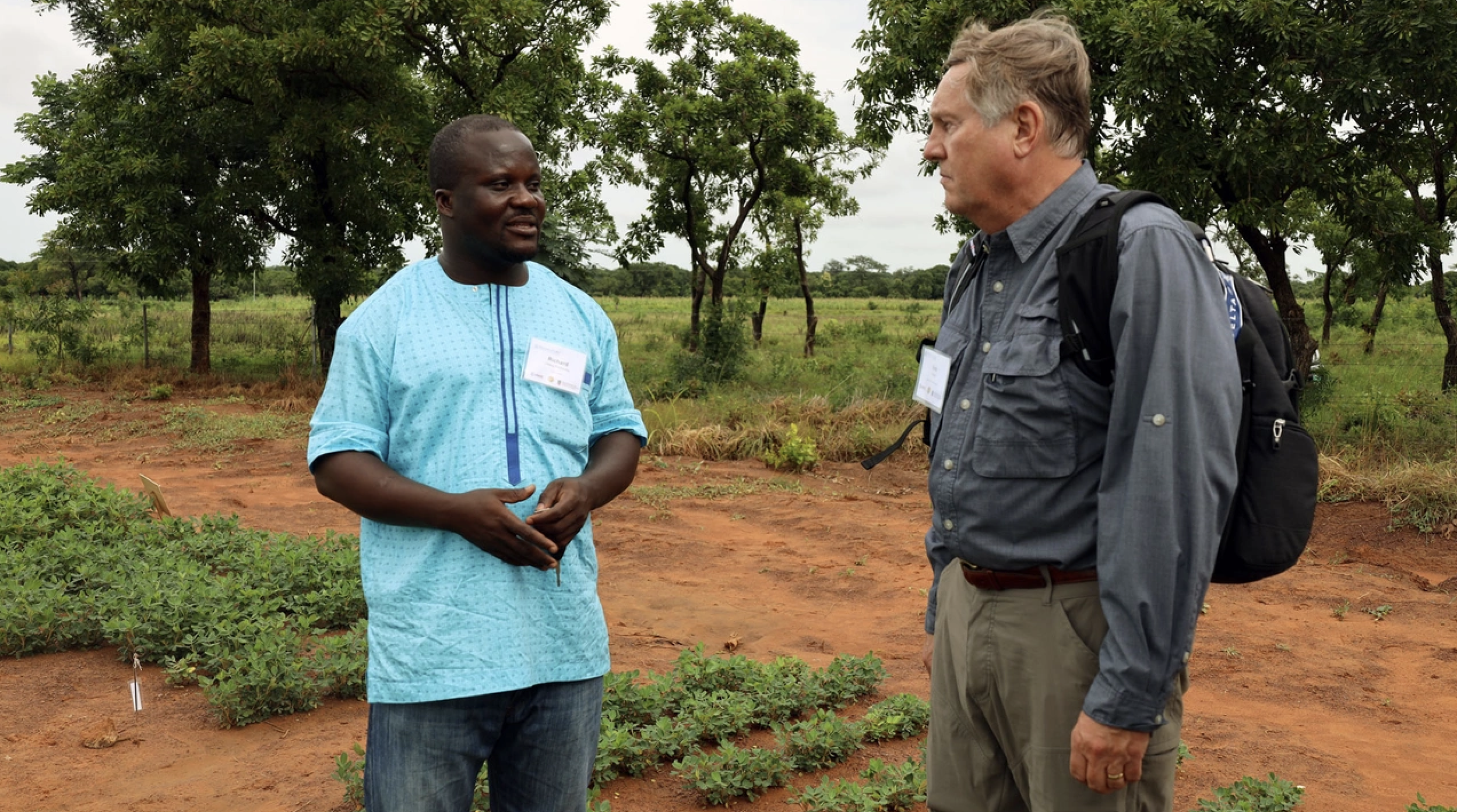
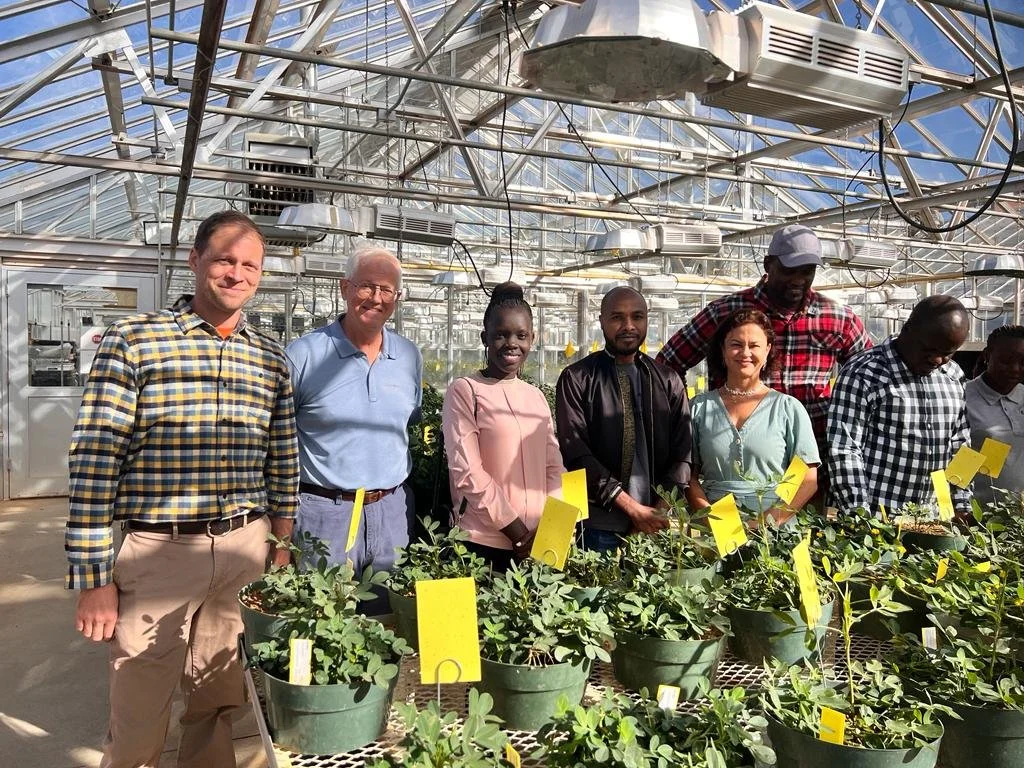
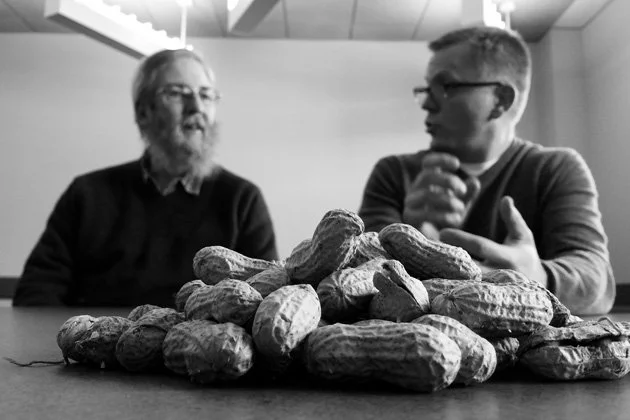
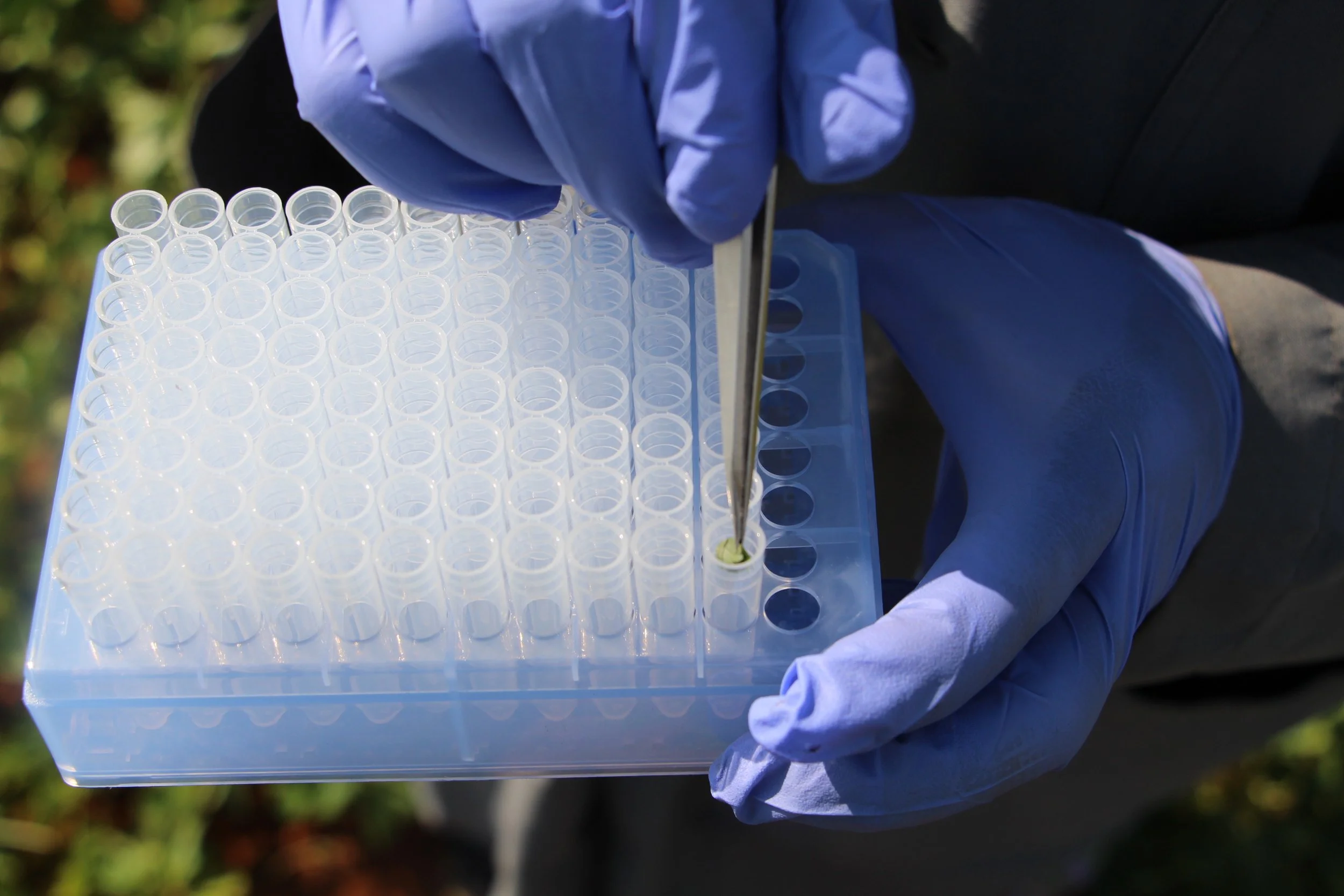
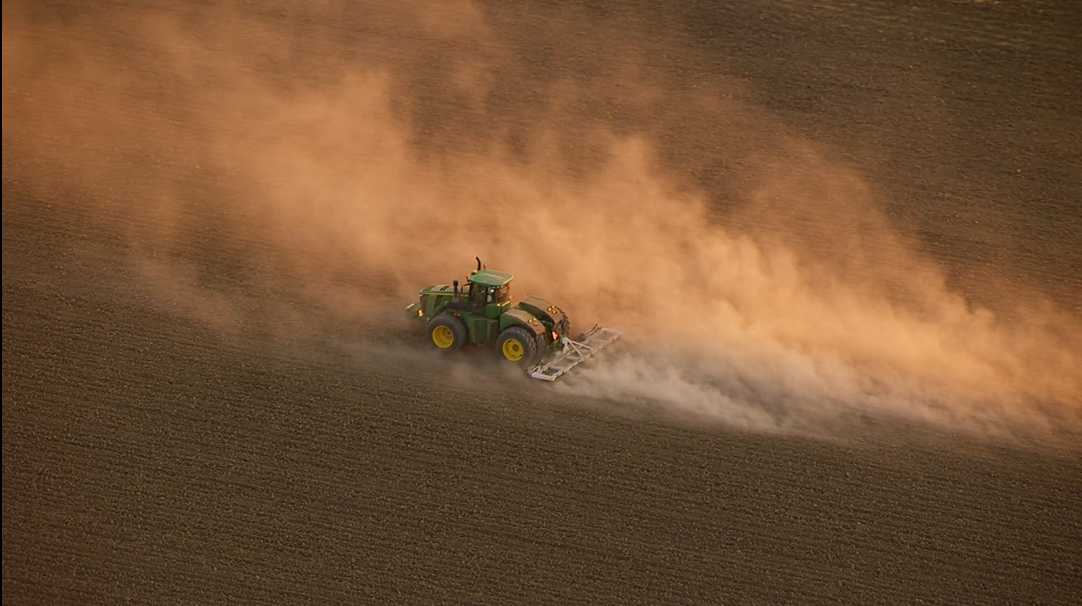
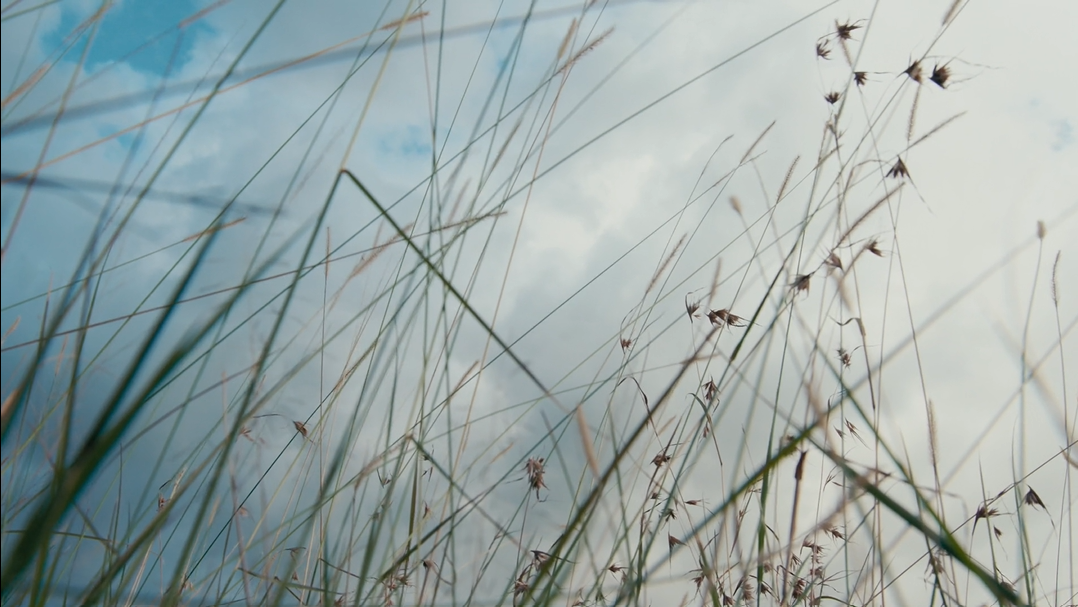
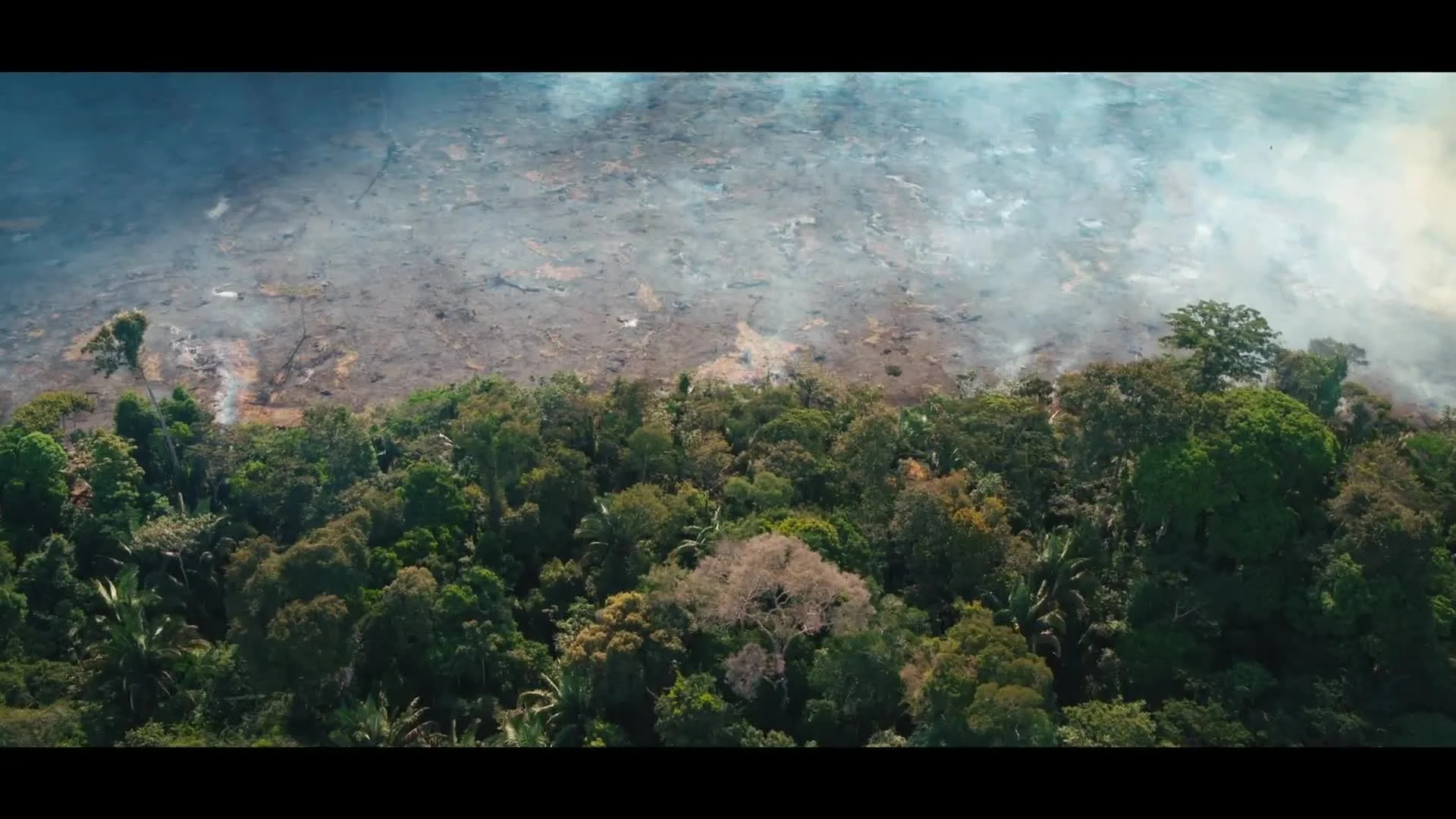
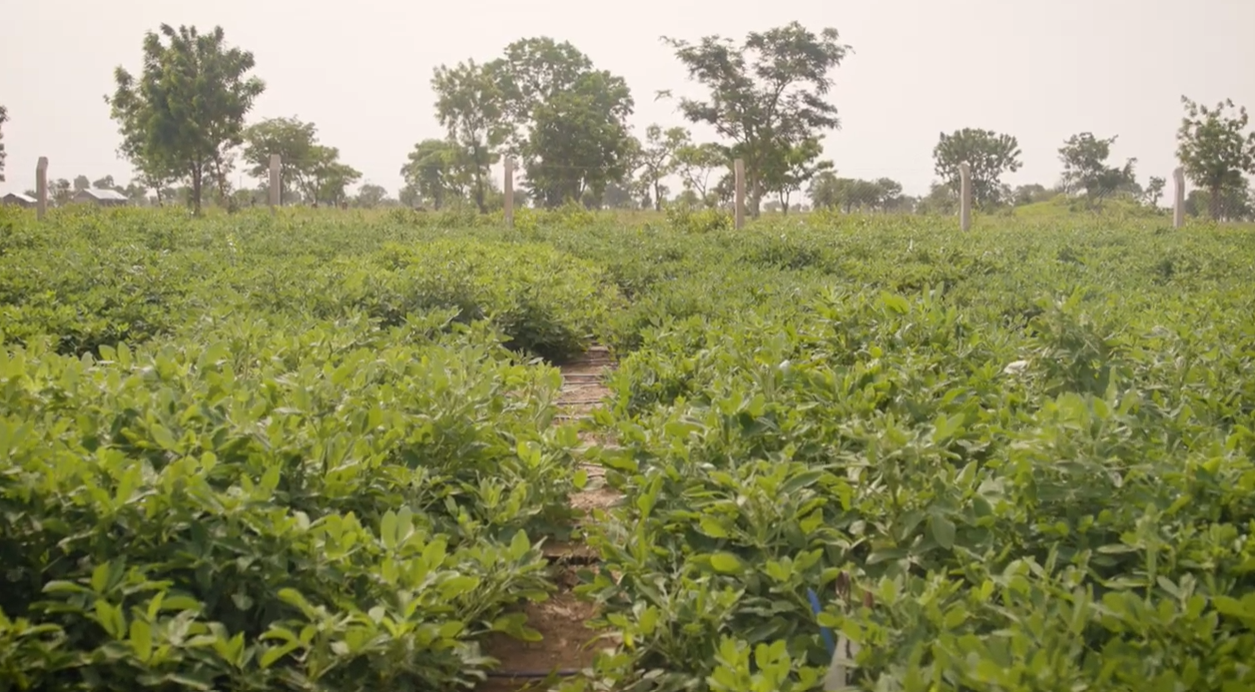
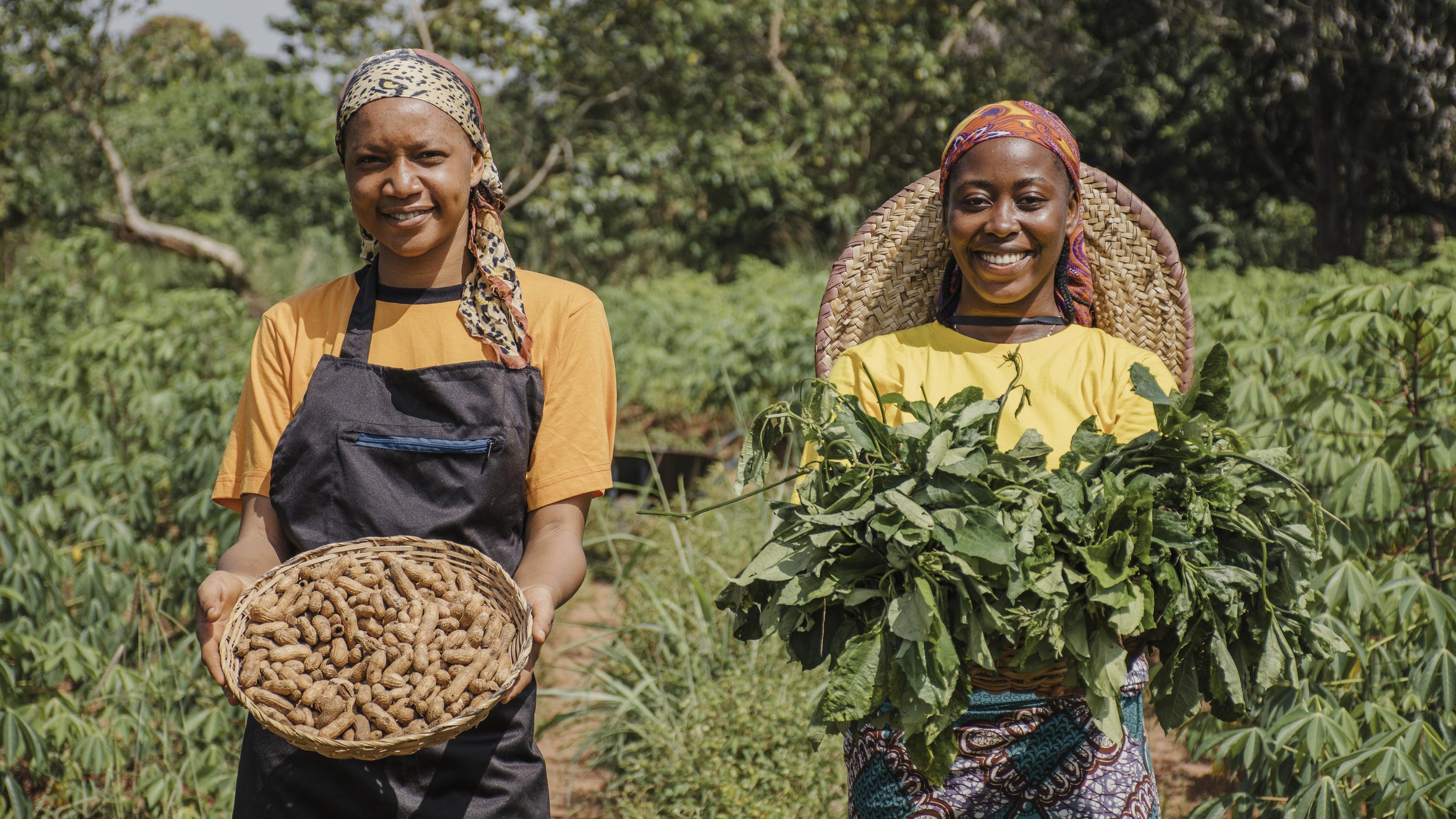
This is a story told through the textures of soil and seed, human struggle and hope—a portrait of survival where the smallest acts carry the weight of the future.
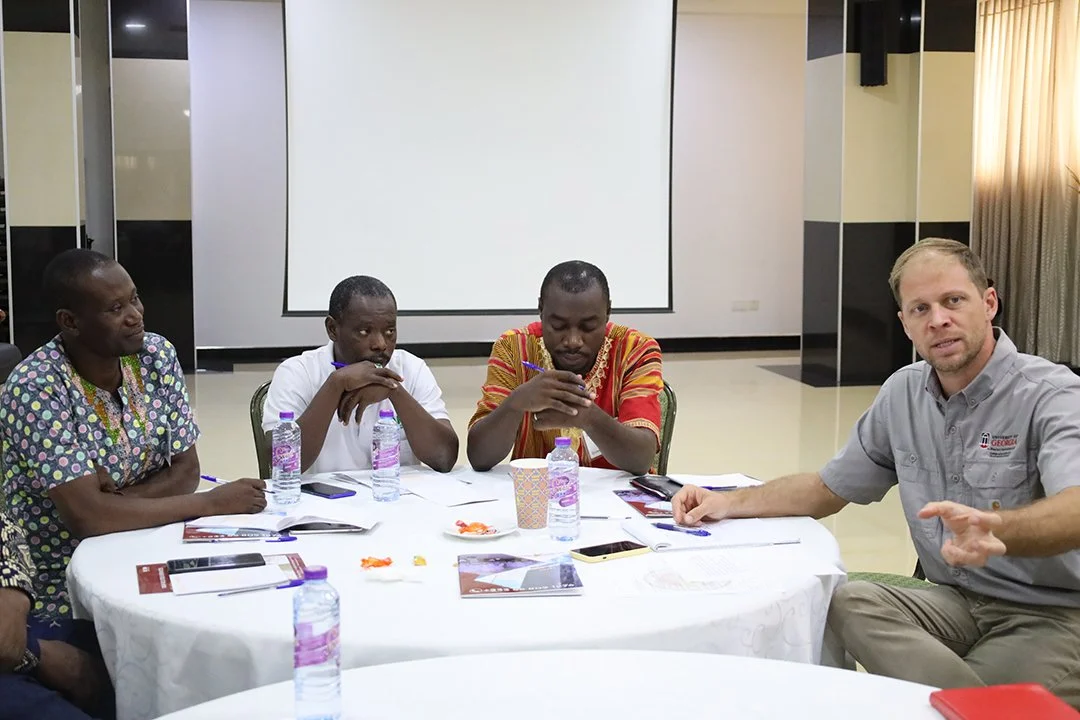
The characters.
This is a preliminary cast list, including confirmed talent and potential individuals we intend to approach. We see these characters as entry points to uncovering additional storylines and on-the-ground perspectives. The list is still in development.
-
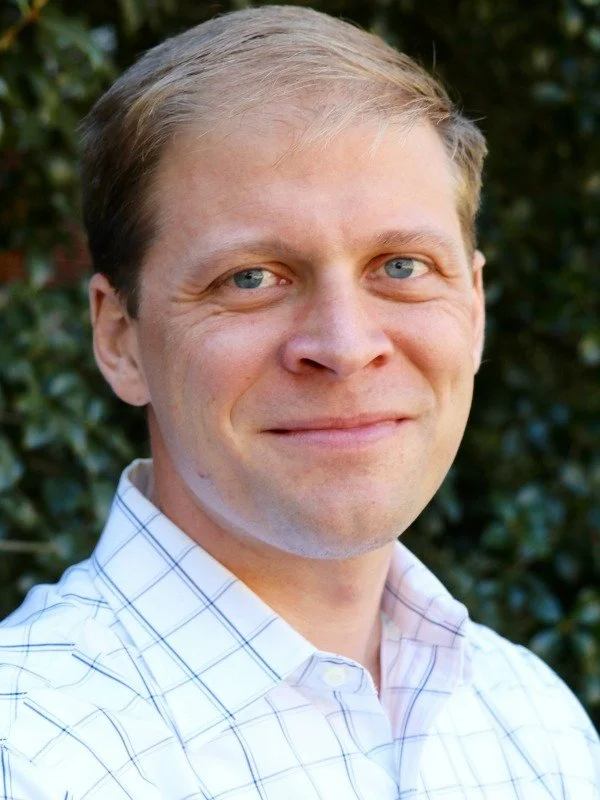
Jamie Rhoads
ASSISTANT DIRECTOR
James (Jamie) Rhoads has been at the University of Georgia since 2014 as an Assistant Research Scientist in the Department of Crop and Soil Science and Assistant Director of the Feed the Future Peanut & Mycotoxin Innovation Lab.
-
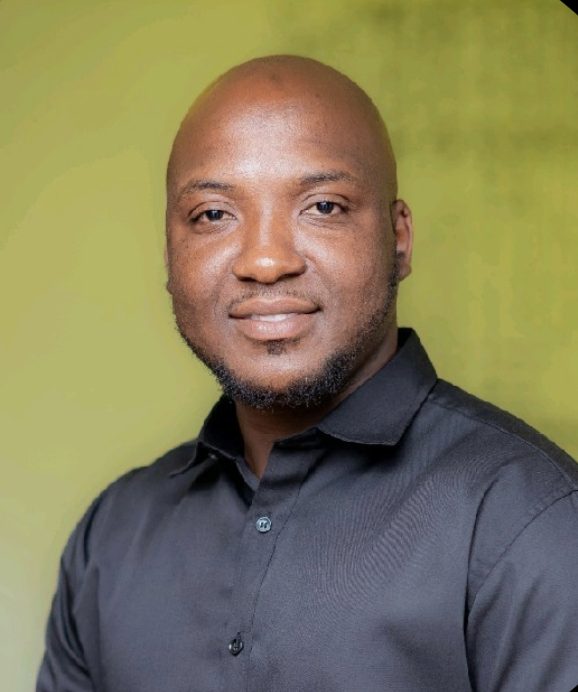
Tadala Rambiki
PRODUCTION MANAGER
Tadala Rambiki, groundnut production manager for the international agricultural company Pyxus and head of the groundnut program in Malawi.
-
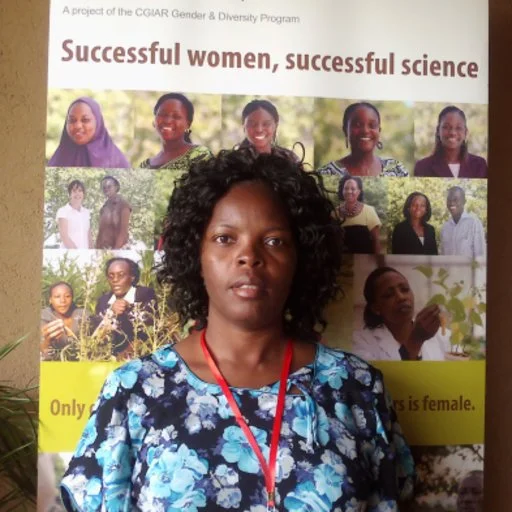
Agnes Mwangwela
PROFESSOR
Dr. Mwangwela has two decades of experience teaching food science, food product development and food analysis at Lilongwe University of Agriculture and Natural Resources (formerly Bunda College of Agriculture of University of Malawi). From 2013, Dr. Mwangwela has served as dean of food and human sciences. She holds a Ph.d. in Food Science from the University of Pretoria.
-
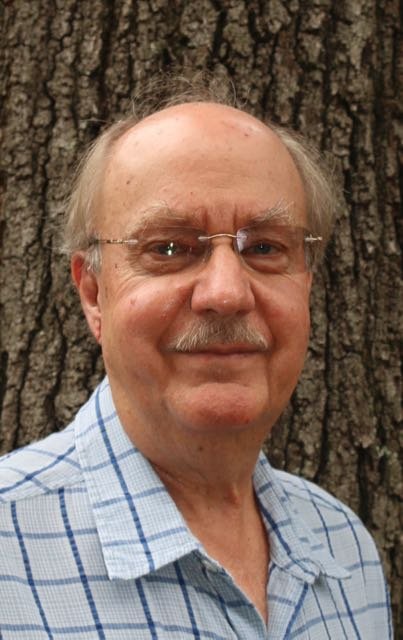
Dave Hoisington
LAB DIRECTOR
Dave Hoisington joined UGA in September of 2013 as the Program Director for the USAID Feed the Future Peanut & Mycotoxin Innovation Lab. He has a joint appointment as Senior Research Professor in the Crop and Soil Sciences Department in Athens. The Peanut & Mycotoxin Innovation Lab completed its five-year phase in September 2017. UGA received the award for a new Feed the Future Innovation Lab for Peanut (Peanut Innovation Lab) in January 2018, and Dave continues to serve as Director.
-
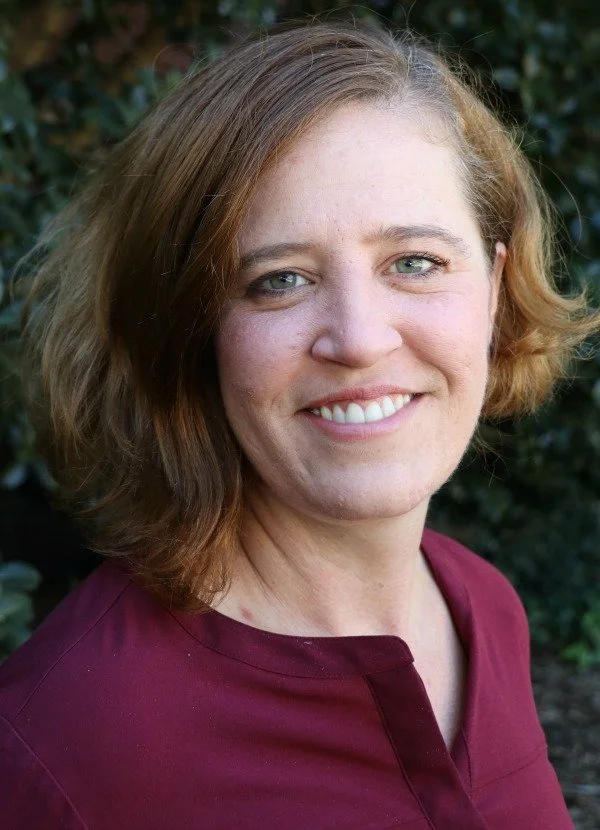
Allison Floyd
PR COORDINATOR FOR THE LAB
Fifteen years in daily newspapers taught Allison how to hold a notebook, tape recorder, keys, cell phone and two pens -- all while standing at a press conference or speeding down I-75. Today, she writes about agriculture and sustainability for various publications and helps clients with their writing, researching, editing, and proofreading needs.
-
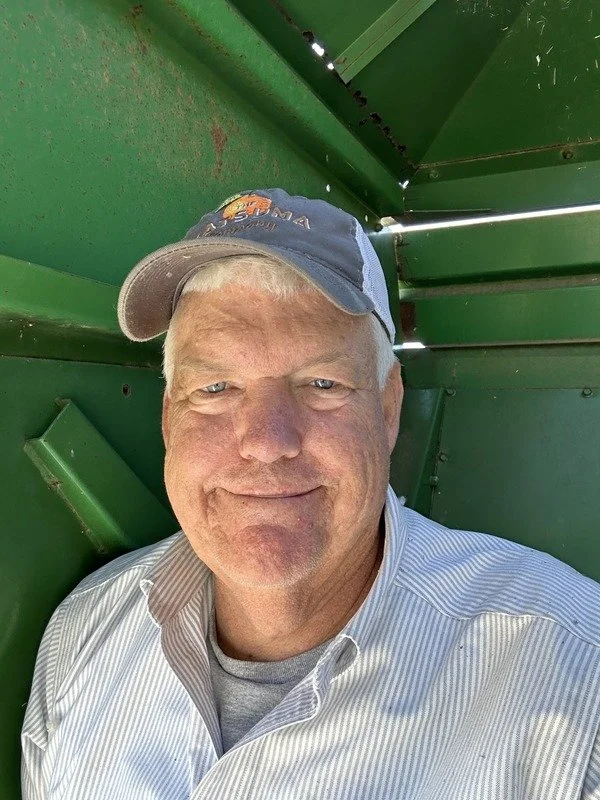
Bob Kemerait
PROFESSOR
Extension plant pathologist at UGA for peanut research and a vocal supporter of Peanut IL work who will speak about GRD as a pathologist.
-
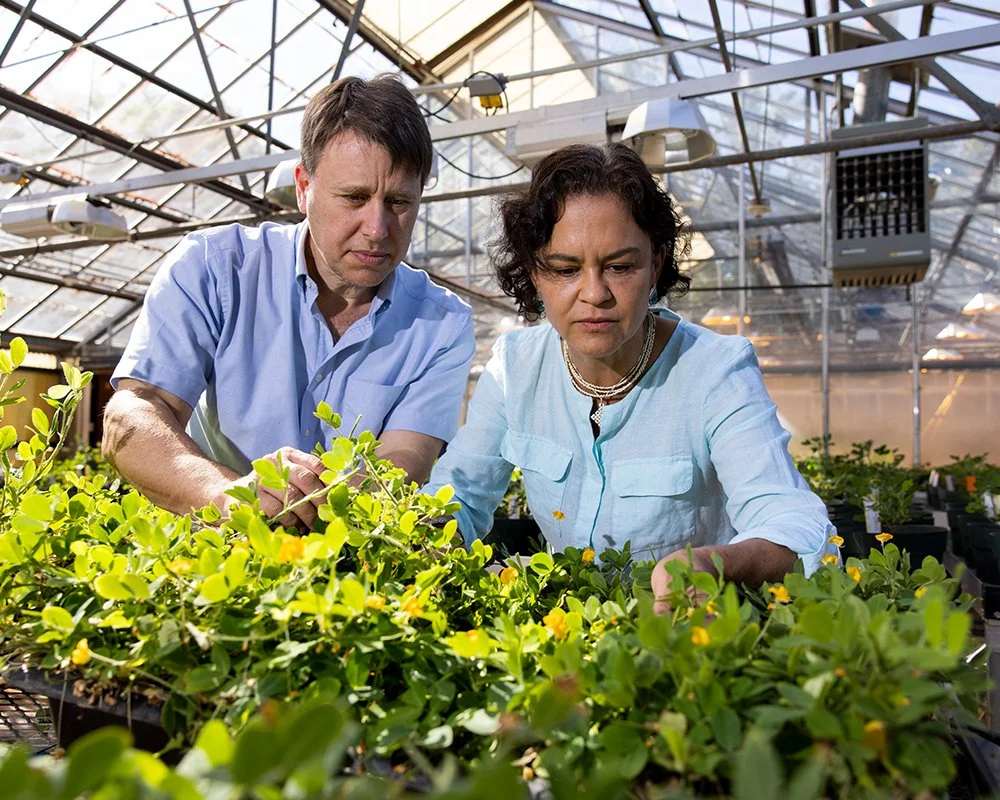
Soraya and David Bertioli
PROFESSORS
The peanut breeding team here in Athens knowledgeable about the history of peanuts and breeding at the lab. Soraya obtained her Ph.D. at The University of Nottingham (UK) on molecular characterization of entomopathogenic fungi. Moving back to Brazil, she was appointed Research Scientist at Embrapa working with wild species of peanut: characterization, creation of genetic and genomic tools and pre-breeding. Her interest is in the use of wild species for peanut improvement using genomics. David studies peanut genetics, genomics and evolution. He works with breeding programs in the USA, Brazil, Senegal and Uganda to produce improved peanut cultivars with pest and disease resistance derived from wild peanut species.
-
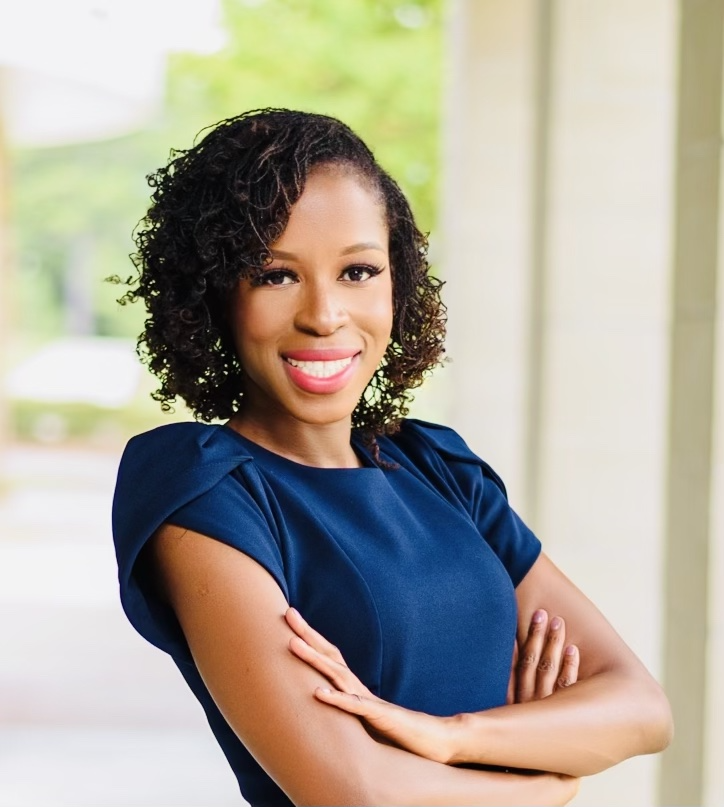
Samara Sterling
RESEARCH DIRECTOR
Nutrition Scientist and Health Communicator with expertise in the use of plant-based nutrition for the prevention and management of chronic diseases. Research Director for The Peanut Institute, leading scientific affairs, research protocols, grant management, media health communication, regulatory issues, and nutrition policy. Principal Investigator for clinical interventions and community-based research projects that seek to improve health in at-risk communities. Passionate about translating science into consumer-friendly messages. Natural leader and mentor with the ability to engage patients, research participants, and community members in ways that motivate them to make changes in their health.
-
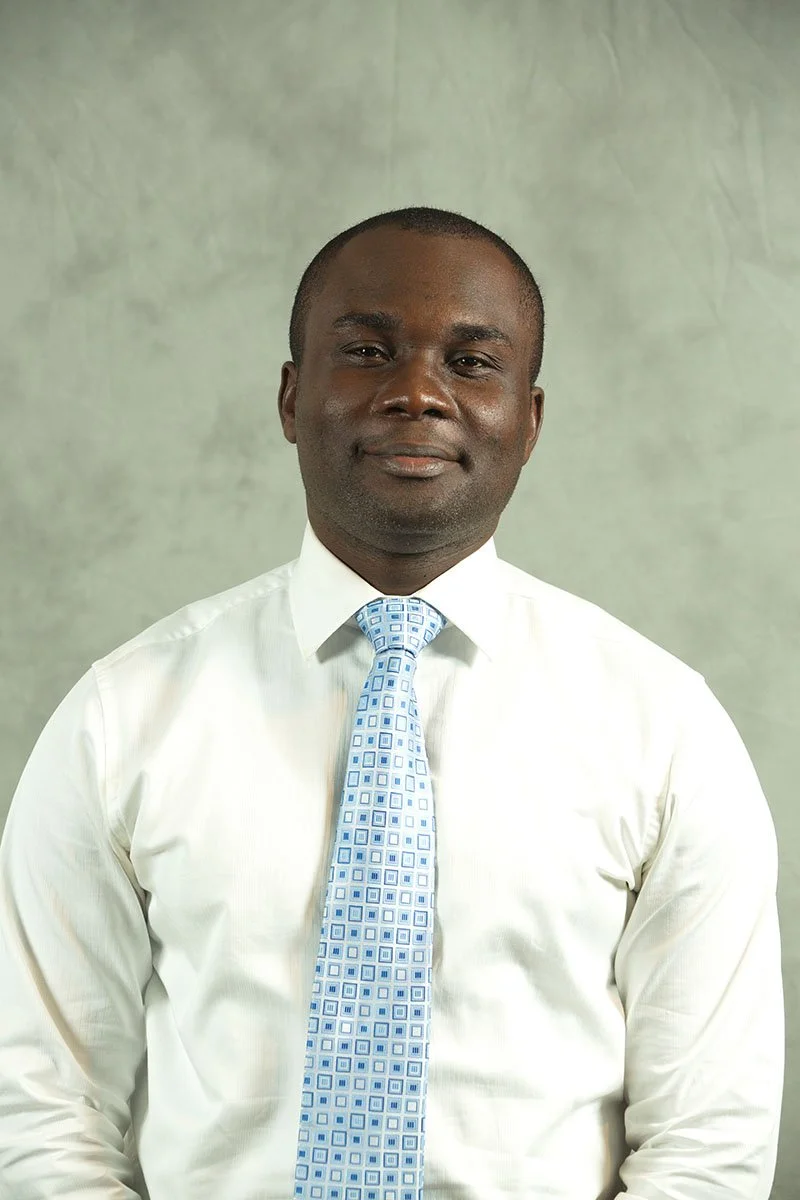
Anthony Baffoe-Bonnie
ASSISTANT PROFESSOR
Originally from Ghana, Baffoe-Bonnie holds a PhD in Agricultural and Applied Economics from the University of Georgia and specializes in data analysis, econometrics, and environmental policy.
-
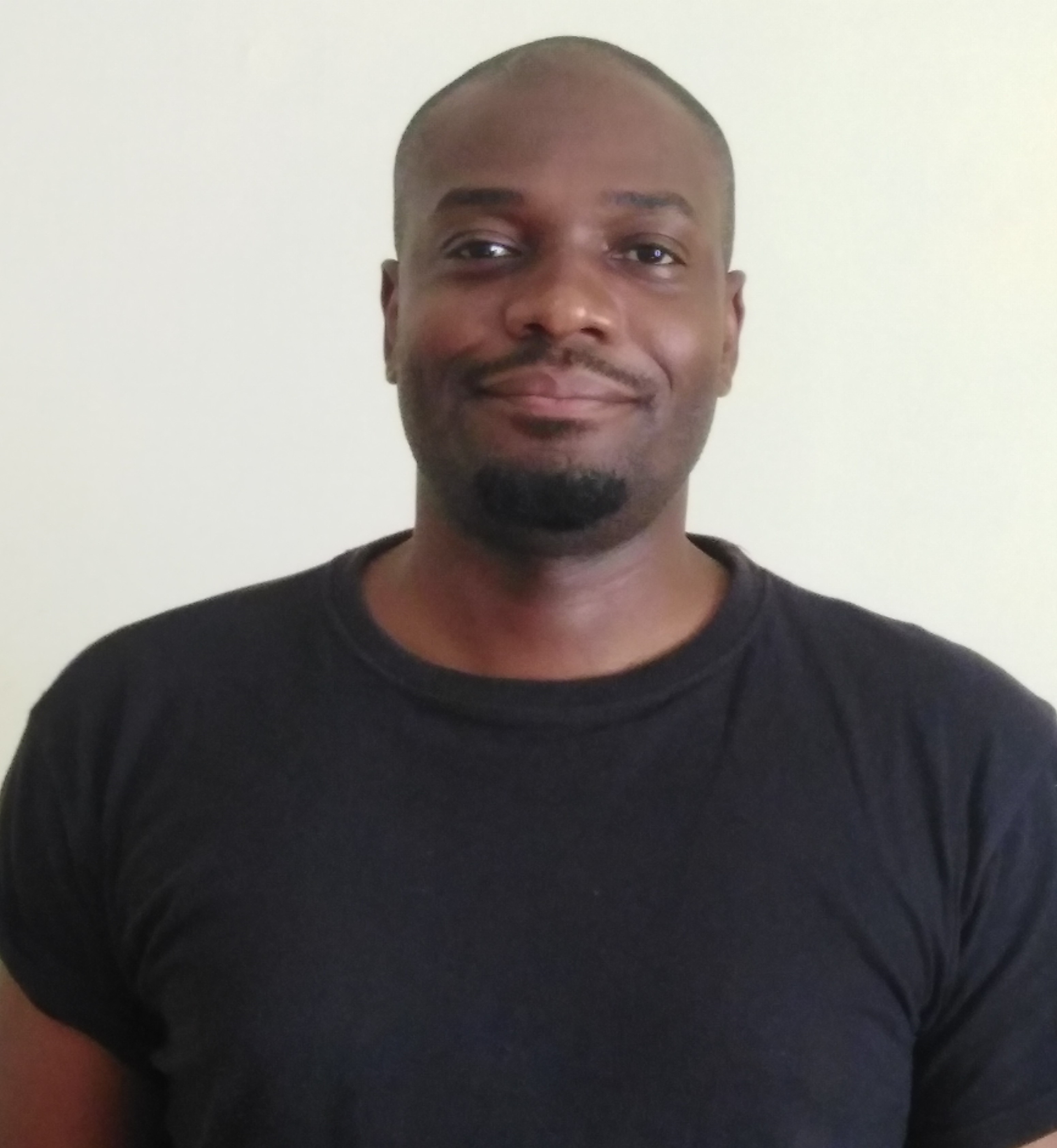
Aggrey Gama
SENIOR LECTURER
Aggrey Pemba Gama is a Senior Lecturer in the Department of Food Science and Technology at the Lilongwe University of Agriculture and Natural Resources in Malawi. He has a PhD in Food Science from the University of Georgia, MSc in Food Science from the University of Leeds, and a BSc majoring in Food Technology from the University of Malawi, The Polytechnic. His research focuses on food product innovations aimed at enhancing food and nutrition security. He emphasizes the use of sensory science and analytical chemistry in product formulation, product and process optimization, and quality control. His goal is to develop products that meet consumer preferences, nutritional needs, and regulatory standards.
-
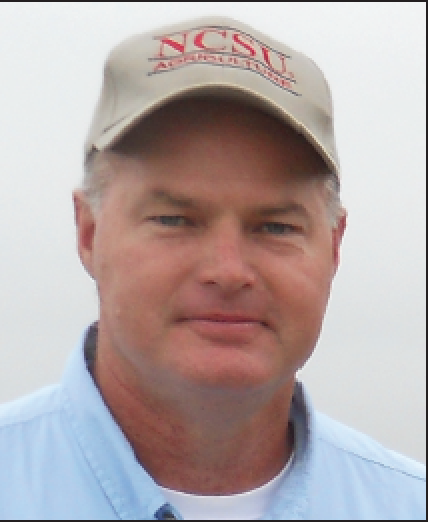
David Jordan
PROFESSOR
David L. Jordan, Crop Science Professor and Extension Specialist at North Carolina State University (NCSU), is the Lead Scientist for the Peanut Innovation Lab’s Production Packages for Ghana project. Professor Jordan was very involved in the lab’s programs in Malawi and Ghana.
-
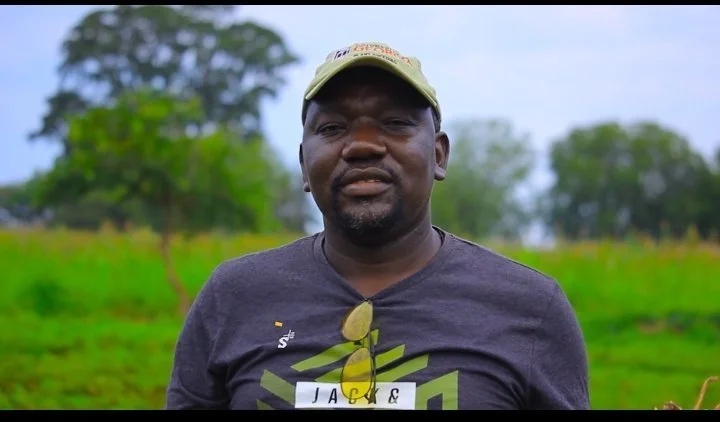
Dr. David Kalule Okello
SENIOR RESEARCH OFFICER AND HEAD OF THE NATIONAL GROUNDNUT PROGRAM IN UGANDA
Dr. Okello is the Senior Research Officer and Head of the National Groundnut Improvement Programme at Uganda National Agricultural Research Organisation (NARO). He was the leader of the breeding network in East Africa and could speak to GRD as an expert and also the potential in Malawi.
-
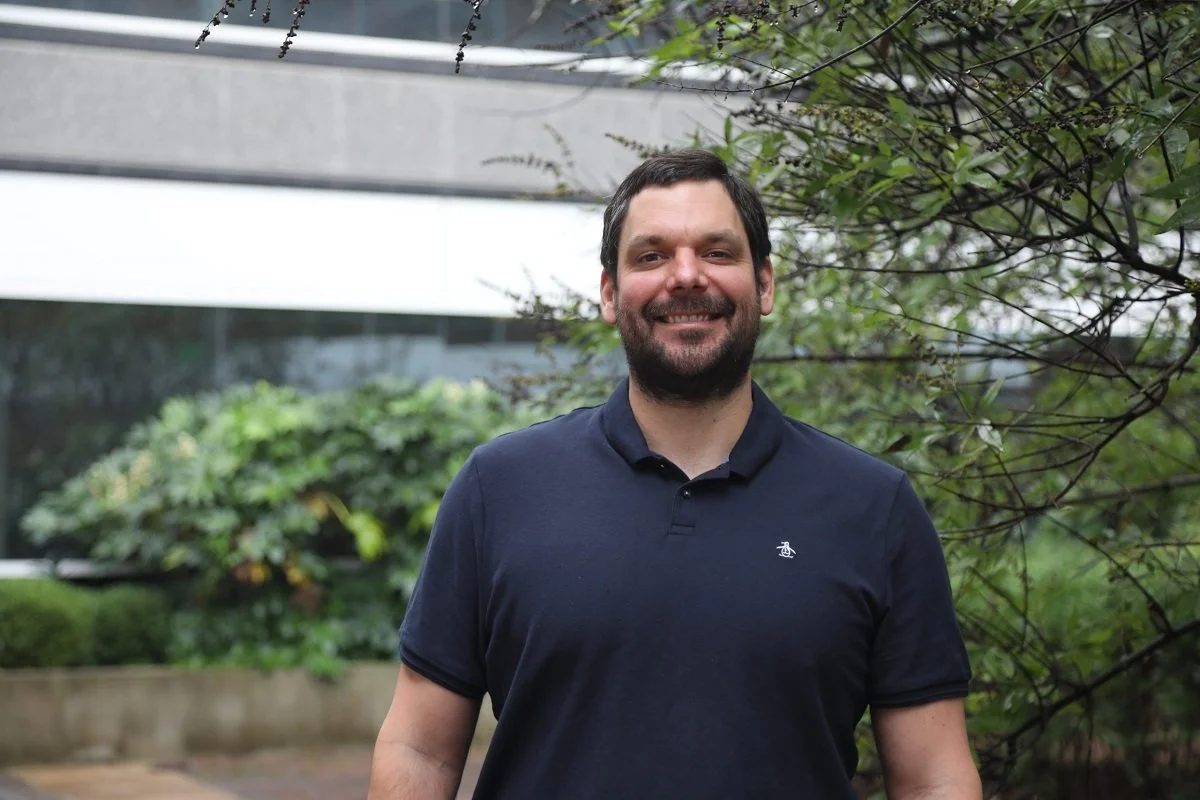
Josh Clevenger
PEANUT GENECIST
Faculty Investigator Josh Clevenger, PhD, focuses his research efforts on crop improvement for sustainable agriculture, with a specific aim on helping small and underserved breeding programs and farmers across the world introduce genomics into their breeding practices. He has been very supportive of the lab’s work and mission.
-
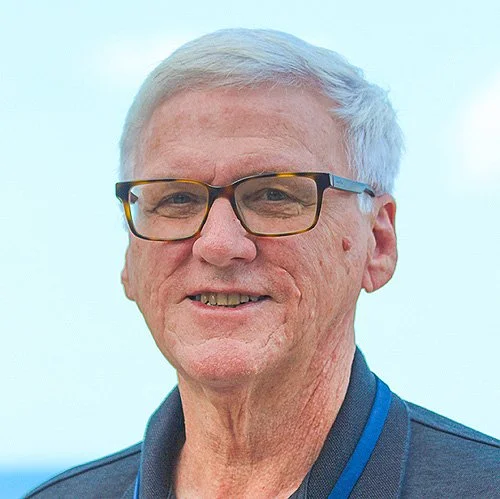
Steve L. Brown
PROFESSOR EMERITUS
Steve is the executive director of The Peanut Research Foundation where he is responsible for coordination of all foundation-funded research projects, reporting of results and communication with donors and the foundation board of directors. A retired entomologist at UGA, he was the first leader of the team to control TSWV. Steve knows the lab’s work well, has traveled to Haiti and Africa, and can tell us more about the future of GRD from the perspective of someone who helped manage and prevent a similar case before.
The Episodes.
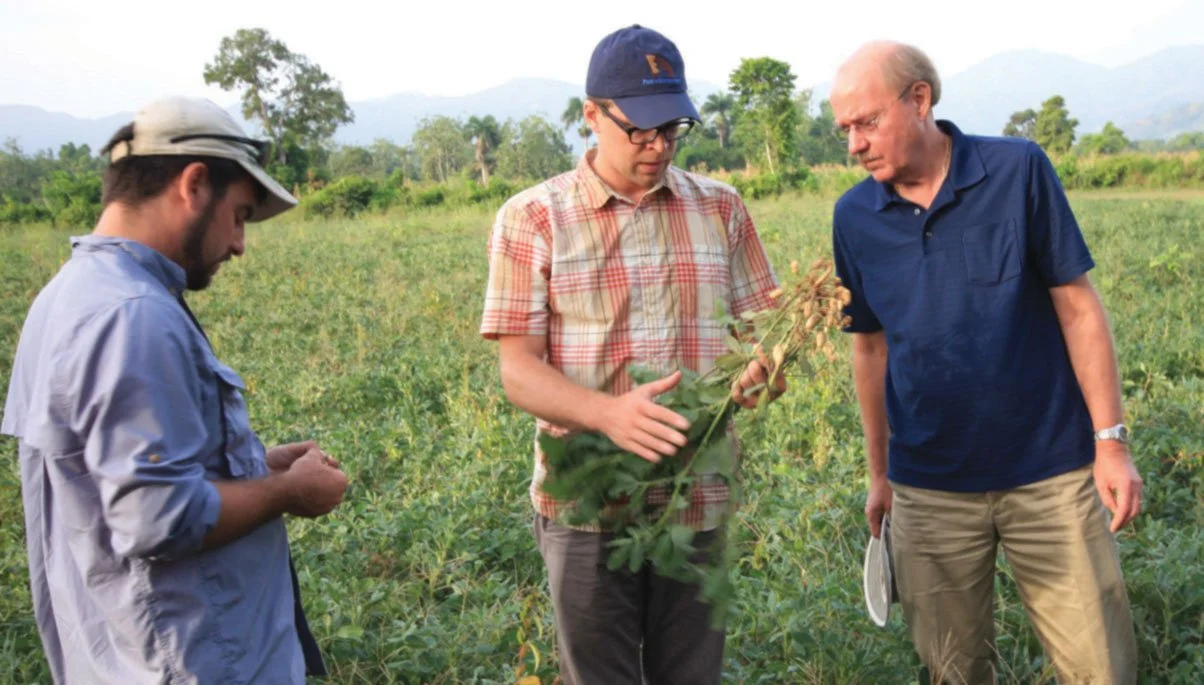
Episode 1. Disrupted Foundations
At the University of Georgia, Dr. Jamie Rhoads and Dave Hoisington of the Feed the Future Innovation Lab for Peanut Research race to preserve years of groundbreaking work as a sudden stop-work order shuts down their program—jeopardizing vital soil data, drone technology, and disease-prevention research with global reach. Their struggle mirrors a wider breakdown in U.S. foreign aid, where contract cancellations, ignored court orders, and bureaucratic gridlock have left vast reserves of aid—including more than 60,000 cubic feet of food—stranded in warehouses as hunger worsens. Even if funding returns, the lab has been dismantled, staff scattered, and the future of their research uncertain. Through their story, leading experts reveal the stakes of losing not just data, but the momentum behind a global fight against crop disease and food insecurity.
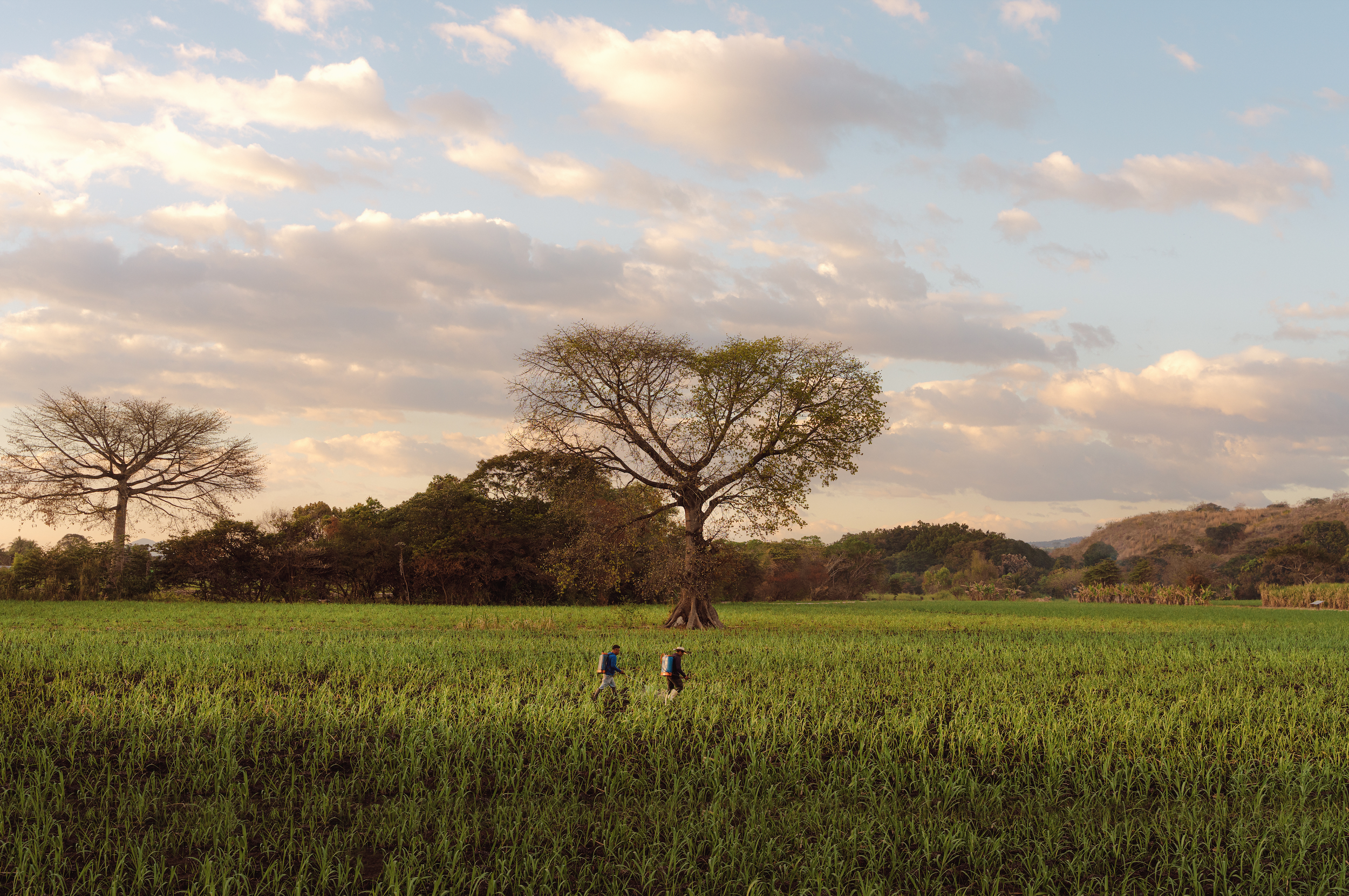
Episode 2. Crimson Earth
In Malawi, where tobacco exports once dominated, a $15 million peanut value chain reacts to the severance of the Feed the Future lab—uniting U.S. and local farmers, plant breeders, and social scientists in an ambitious effort to build a resilient, gender-conscious agricultural system ready to withstand an invisible global threat.
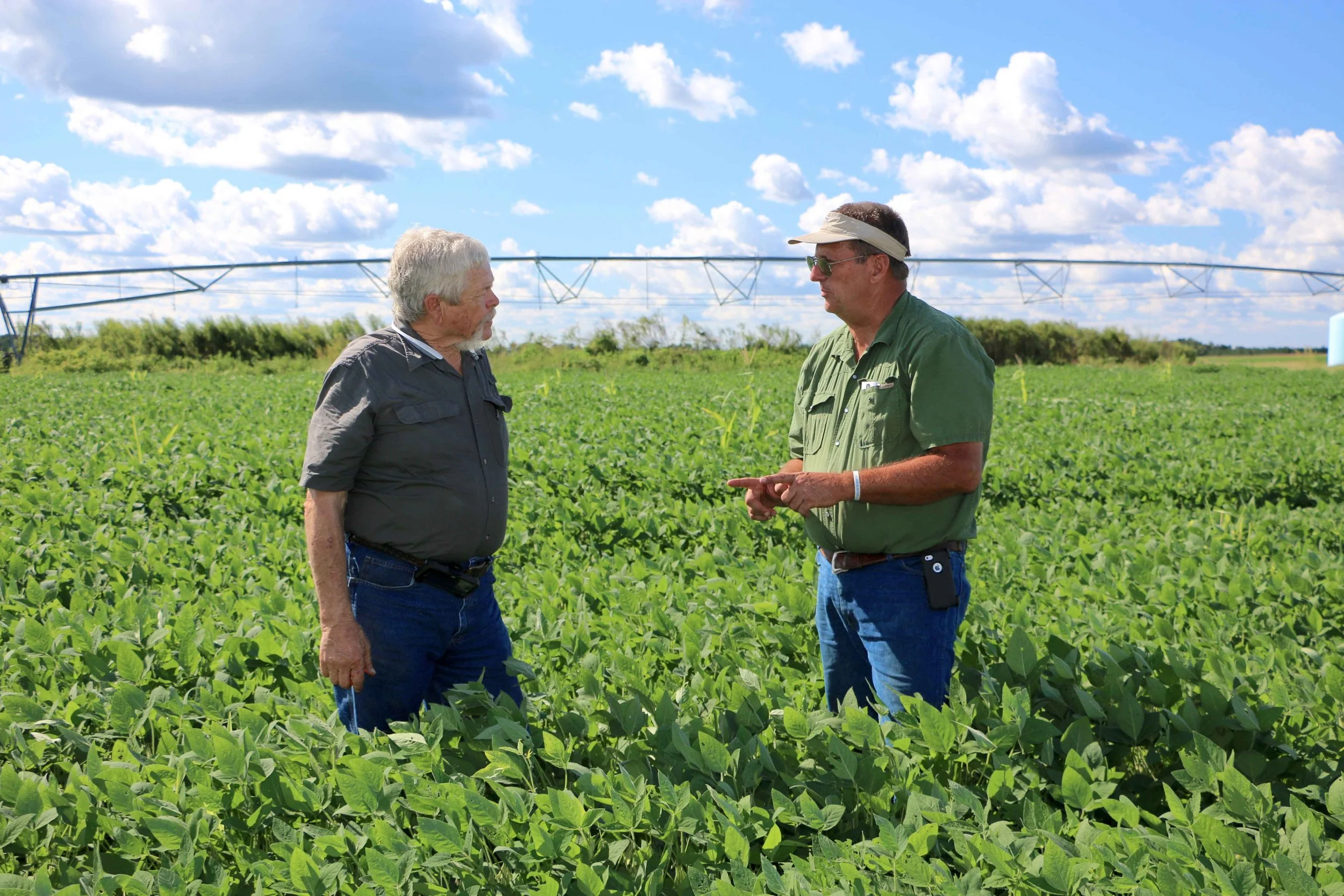
Episode 3. Legacy Under Fire
Back in the U.S. Peanut Belt, farmers and industry leaders working with the lab strategize how to protect their crops, their livelihoods, and a centuries-old agricultural tradition on the front lines of a crisis with no clear solution.
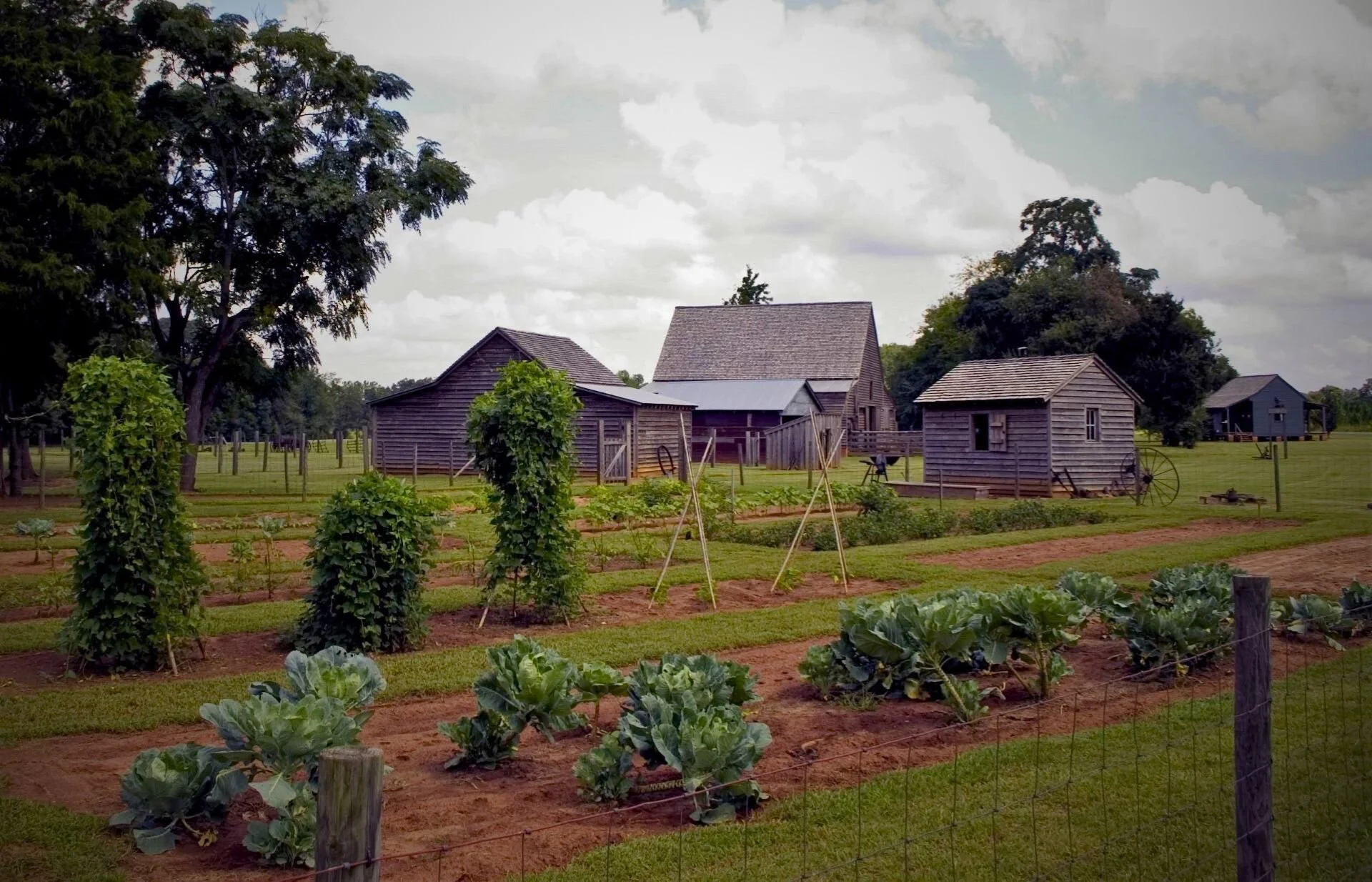
Episode 4. Fractured Frontiers
The lab’s Madagascar branch, a fledgling peanut research program bolstered by the new seed varieties and bold innovation, struggles to gain ground as the sudden shutdown threatens to unravel all progress in one of the world’s most vulnerable regions.
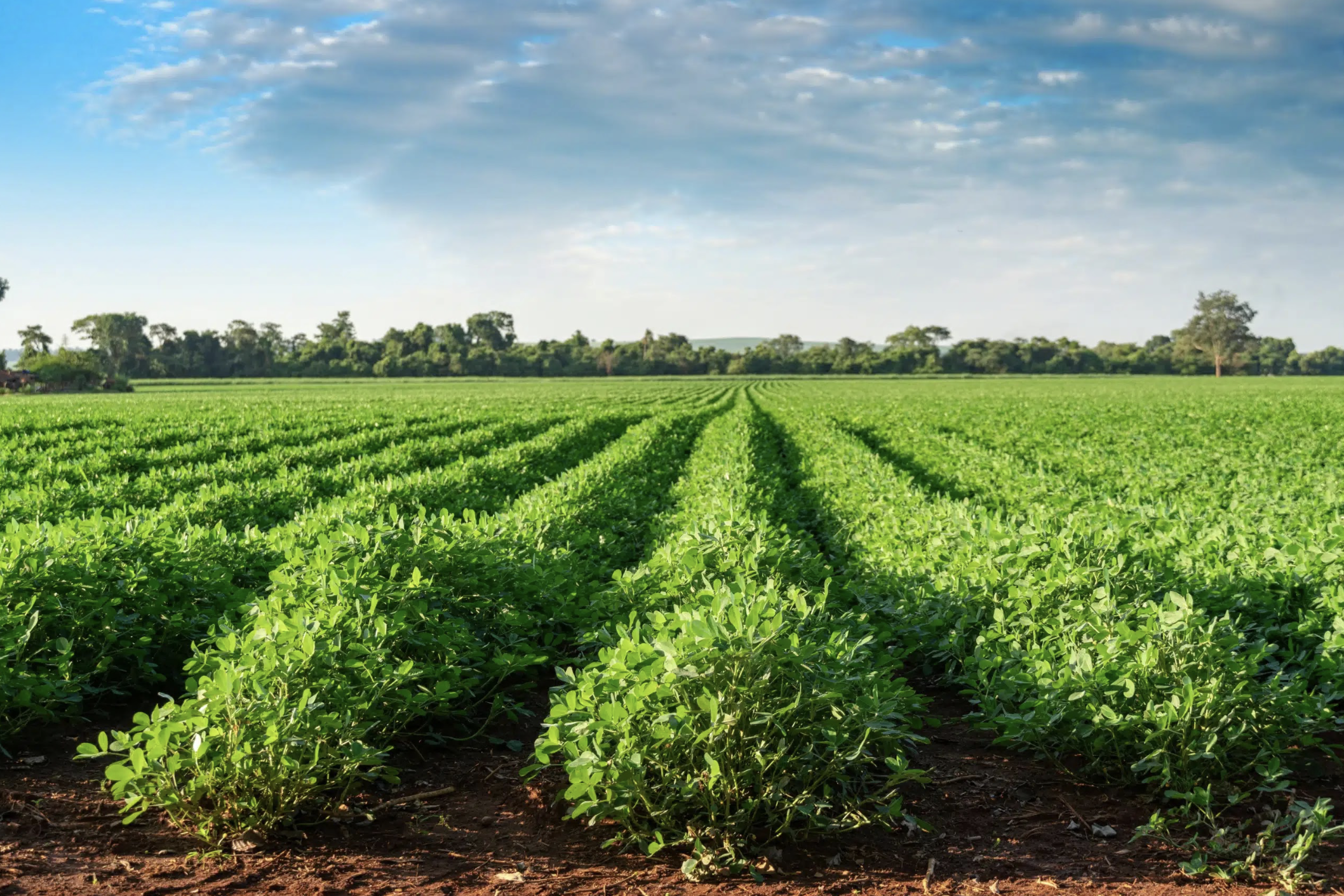
Episode 5. The Last Stand
Global partners—from Georgia to Malawi, Madagascar to the Peanut Belt—must unite in a final effort to preserve critical data, sustain human connections, and fight for the future of peanuts everywhere.
Made by an Award-Winning Team
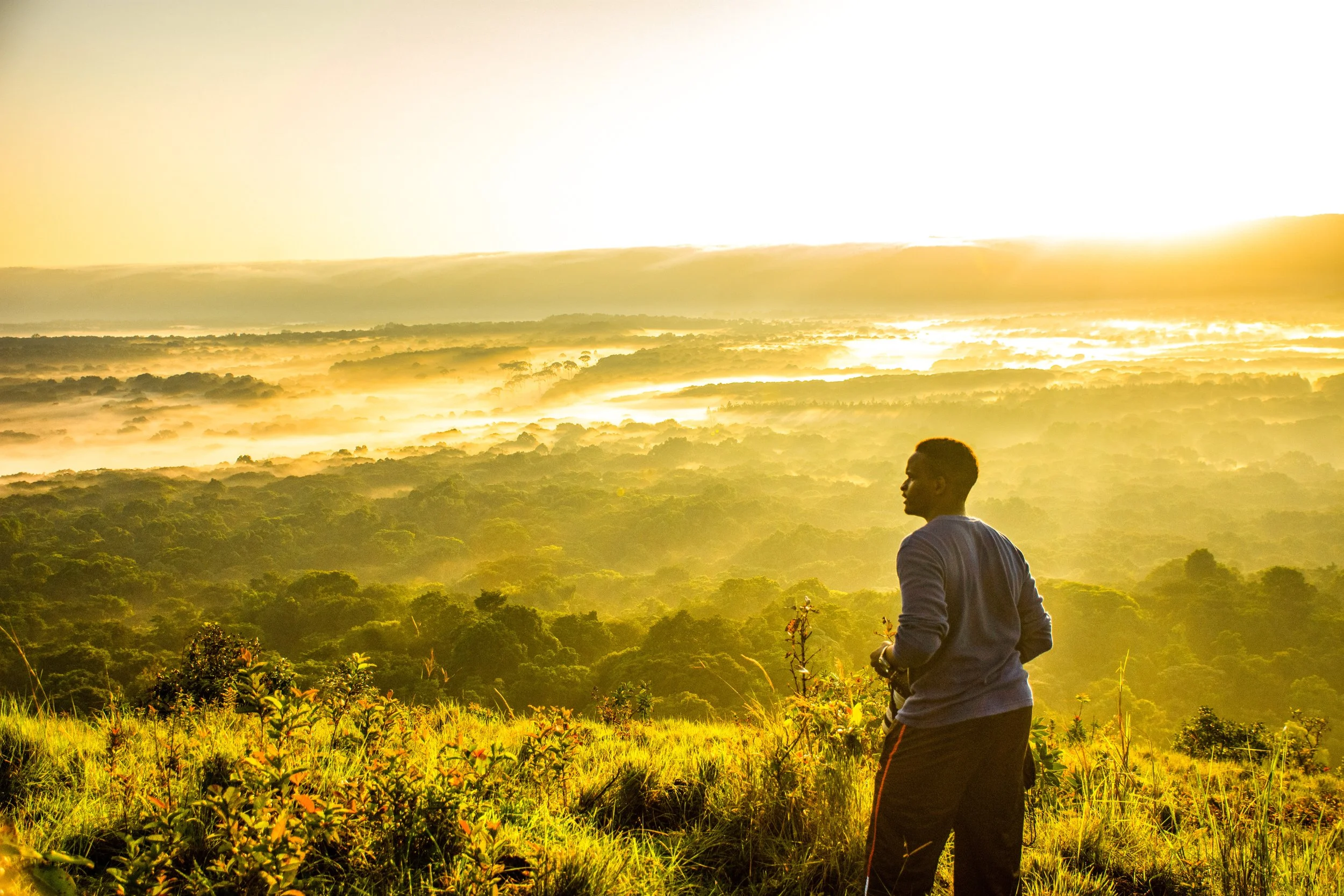
OF INTERNATIONAL PRODUCERS
Meet the Team
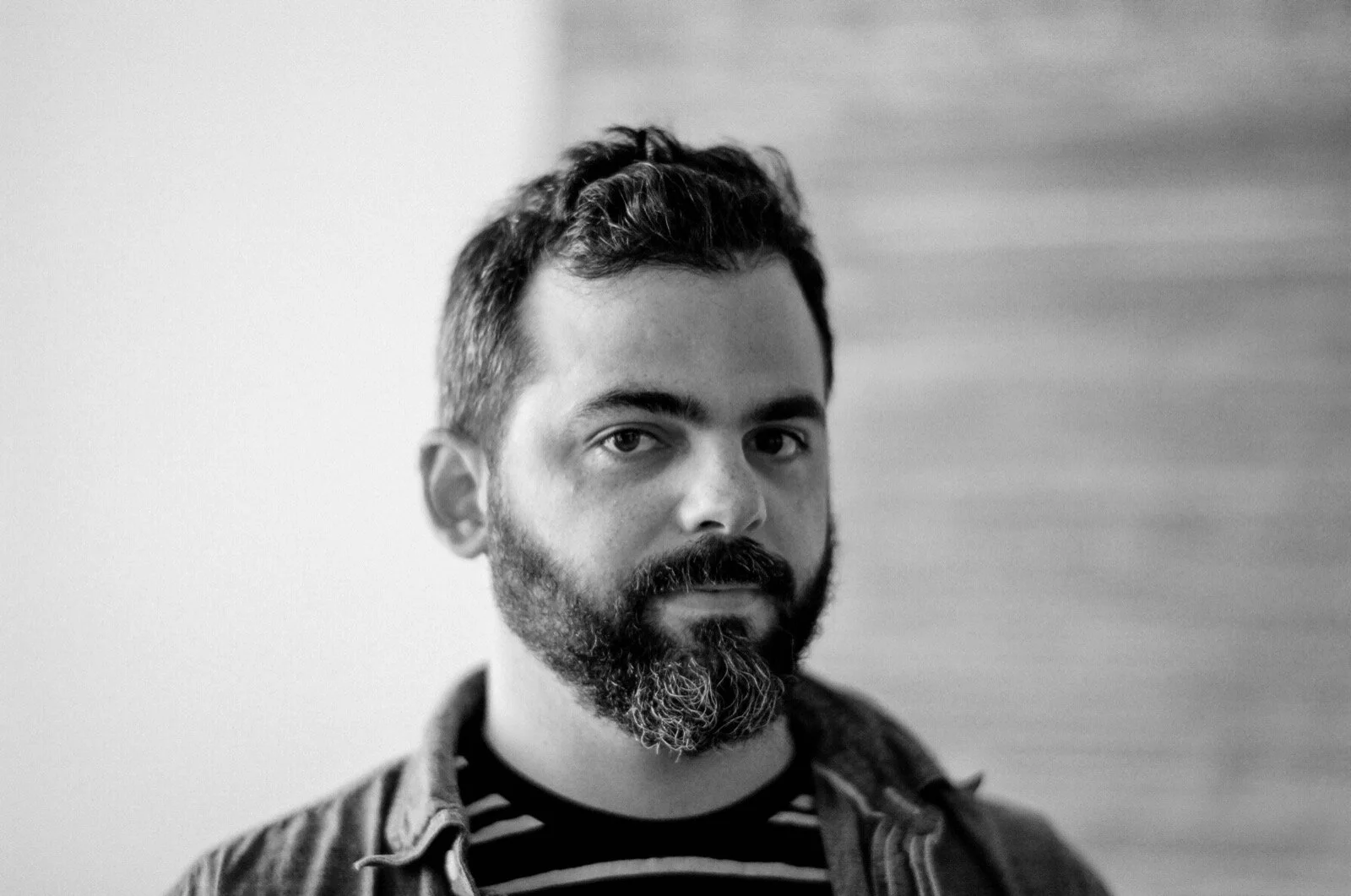
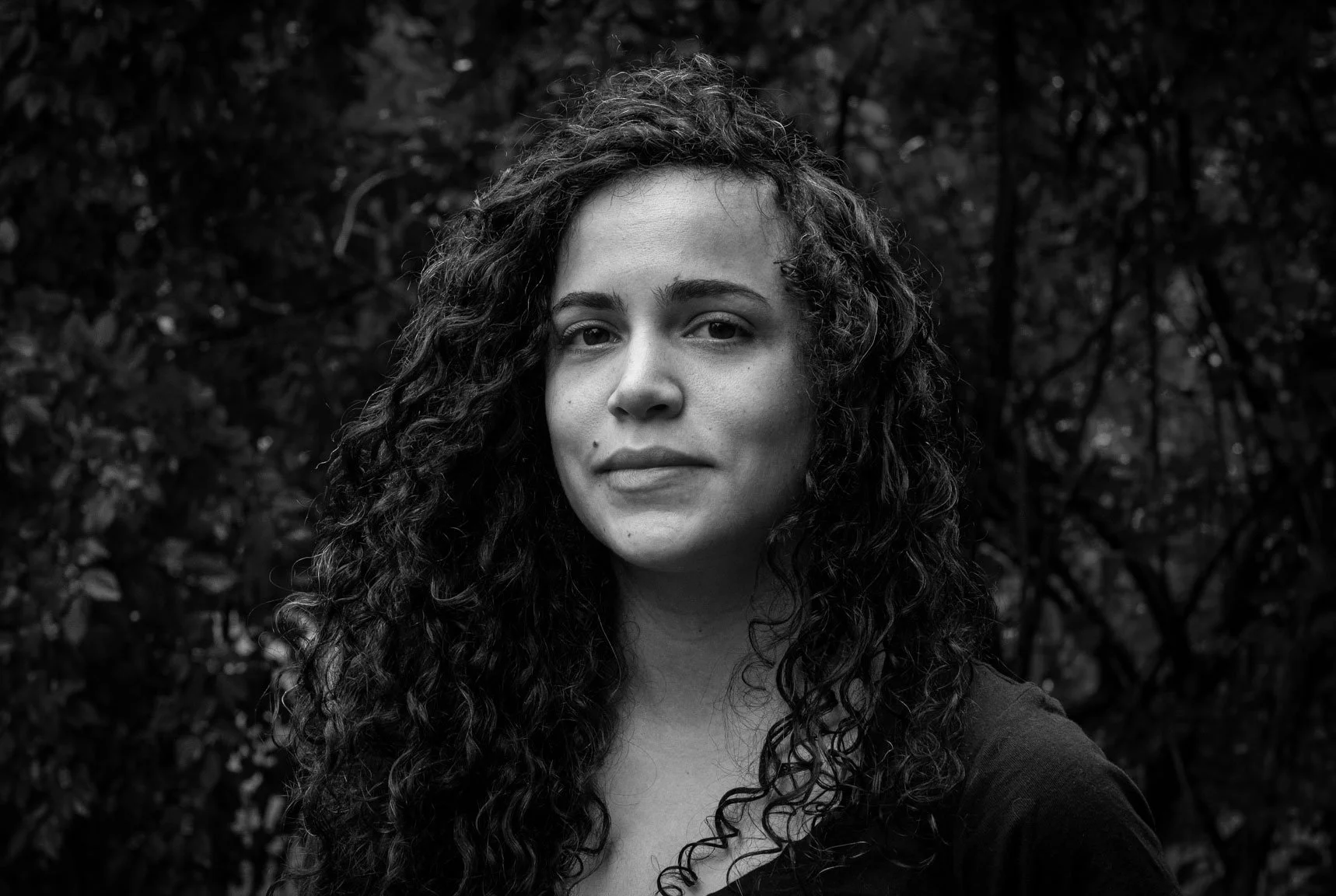
Wendy Muñiz
Director | Writer | Producer
Guillermo Zouain
Director | Writer | Producer
Wendy and Guillermo both immigrated from the Dominican Republic at different points in their lives.Wendy, a first- generation student, obtained her Ph.D. from Columbia University. She’s also an Andrew W. Mellon and Woodrow Wilson Citizens and Scholars fellowship alumni for her work as a researcher and educator. Guillermo graduated with an M.F.A. in directing at the prestigious Catalonia’s Escola Superior de Audiovisuals. Their work as producers throughout Latin America and the U.S. has received the support of the Sundance Film Institute, ITVS, Film Independent, Chicken & Egg, the Ford Foundation’s JustFilms, and the Tribeca Film Institute, traveling worldwide from Cannes, True/False, Visions du Réel, Guadalajara, and the Atlanta Film Festival, to NOLA, BAFICI, DOC NYC, BFI Flare, and Camden International Film Festival. Michelle Rojas is not Okay (2023), their first podcast show as creators, directors, producers, and writers, starring Dascha Polanco and The Kid Mero, was picked up by Broadway Video and Audible.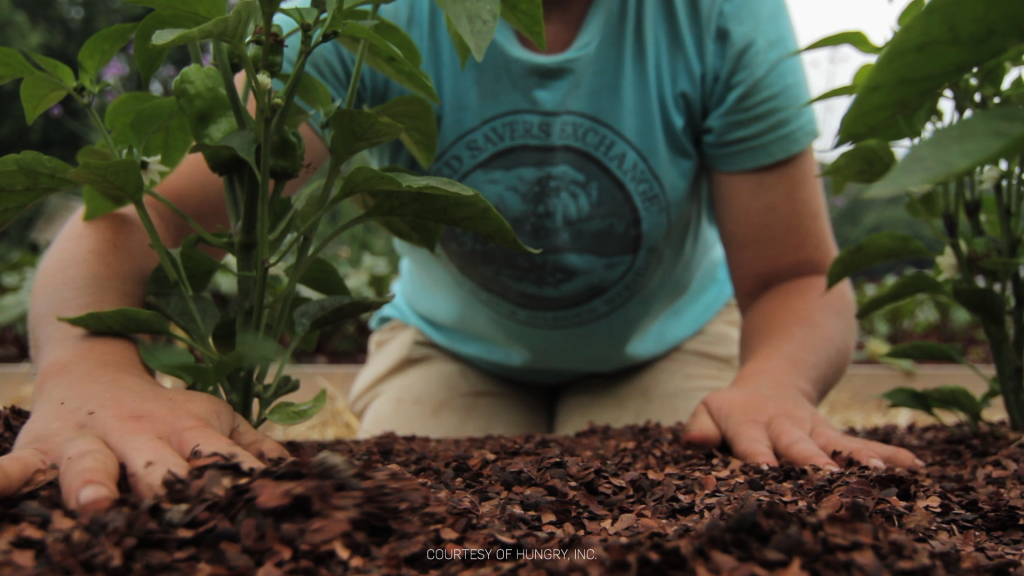
Thank you!
CONTACT US:
wendy@thelightroom-ath.com guillermo@thelightroom-ath.com
Seeds for the Future Pitch Deck | All Rights Reserved. 2025