WHO
OWNS
POVERTY?
“What if nearly everything we thought we knew about poverty was wrong? What if we have been leaning the wrong ladder on the wrong wall?”
- Martín Burt, Founder, Fundación Paraguaya
In Paraguay, 2008, a chief operating officer asked one simple question that would shatter everything his organization believed about fighting poverty: "What do you mean by poverty?" His boss—a respected microfinance pioneer—couldn't answer. After twenty-three years of helping the poor, after reaching 70,000 clients and achieving financial sustainability, Martín Burt realized he had no idea what poverty actually was.
This embarrassing moment sparked a radical journey that would challenge the entire $150-billion development industry. What Burt discovered wasn't just a new way to measure poverty—it was proof that poor people had never owned their own poverty. For decades, economists, aid workers, and governments had been defining, measuring, and solving poverty without ever asking poor people what they thought.
The revolution that followed would spread to 44 countries, transform 250+ organizations, and prove that the poorest people on earth might just be the world's greatest poverty experts.
"We're all climbing up the ladder of consciousness—and each person, rich or poor, has a personal perspective, and we always mistake perspective for truth."
— Ken Wilber
THE STORY.
Six Paths. One Universal Question.
Around the world, passionate changemakers are discovering they can't answer the most basic question about their life's work: What is poverty? But while their starting points are similar, their journeys will be distinctly different. Each region, culture, and system forces them to grapple with this question in unique ways, leading to revelations shaped by their local contexts and constraints.
Who Owns Poverty?
The story follows six real implementers across six regions as they each embark on a journey inspired by Martín Burt's transformation—but not identical to it. While Martín's story provides the framework, each agent must navigate their own cultural landscape, institutional resistance, and personal blind spots to reach their own understanding of what poverty means and who should own it.
This isn't a story of parallel paths converging on the same answer. This is an exploration of how the same fundamental question—"Who owns poverty?"—generates different insights, different resistance, and different breakthroughs depending on whether you're confronting corporate paternalism in Manila, post-conflict trauma in Freetown, or systemic racism in New Orleans.
Through six interconnected but distinct storylines that unfold simultaneously across continents, we witness how universal questions generate culturally specific answers.
Each agent's journey illuminates different aspects of poverty ownership—from the economic to the political, from the psychological to the spiritual—showing that giving poverty back to the poor looks different everywhere, but transforms everything everywhere.
Guided by Martín Burt's insights while honoring each agent's unique discoveries, the series reveals how questioning who owns poverty doesn't lead to one answer—it leads to as many answers as there are people experiencing poverty.
THE PROJECT.
Who Owns Poverty? is a six-part short documentary series (20-25 minutes each) that follows six changemakers through distinctly different but thematically connected journeys of discovery, each shaped by their regional contexts and cultural frameworks.
Six Distinct Narratives, One Thematic Thread
While each episode advances all six storylines, the agents face different challenges, encounter different forms of resistance, and reach different—though complementary—conclusions about what it means to give poverty back to the poor.


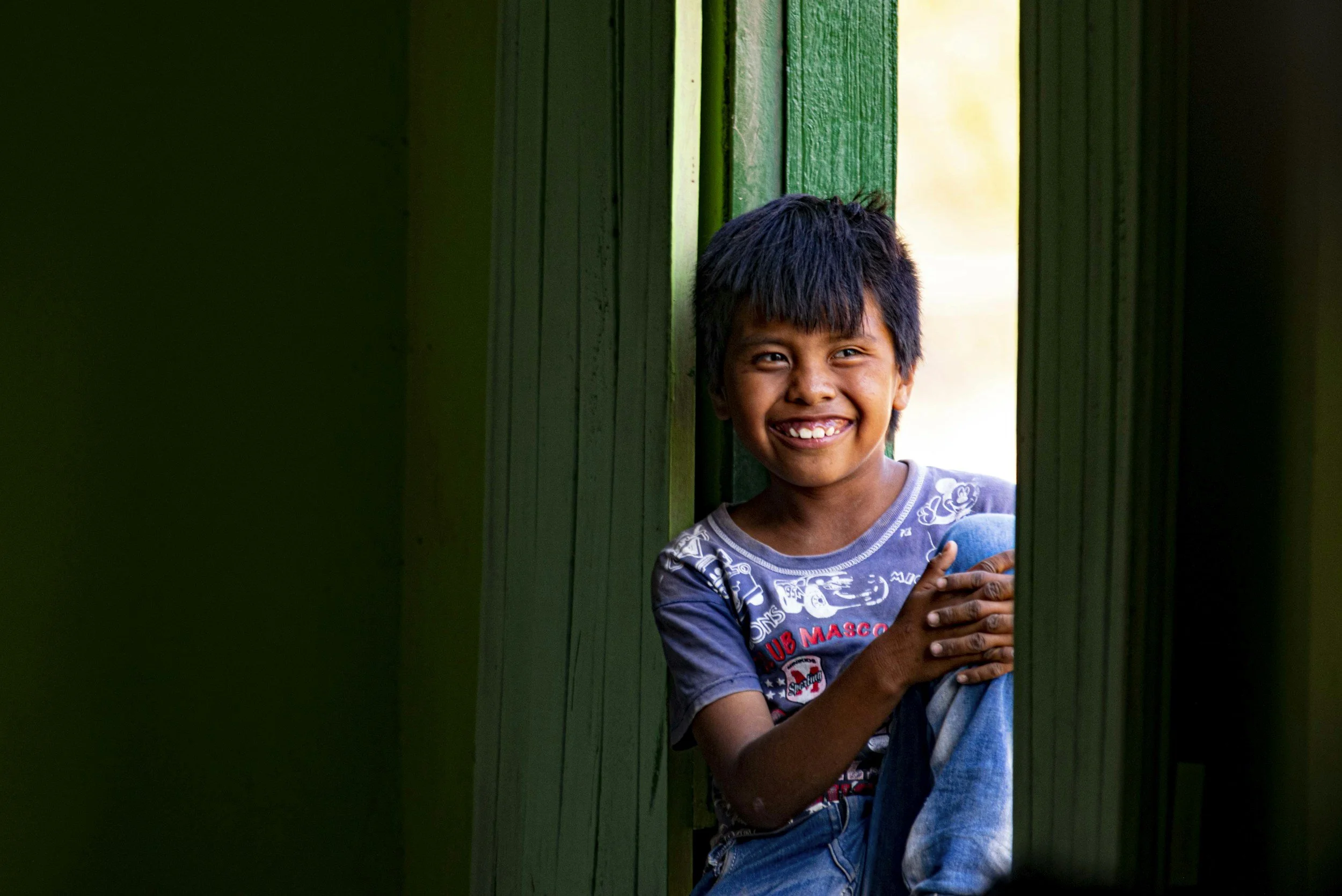
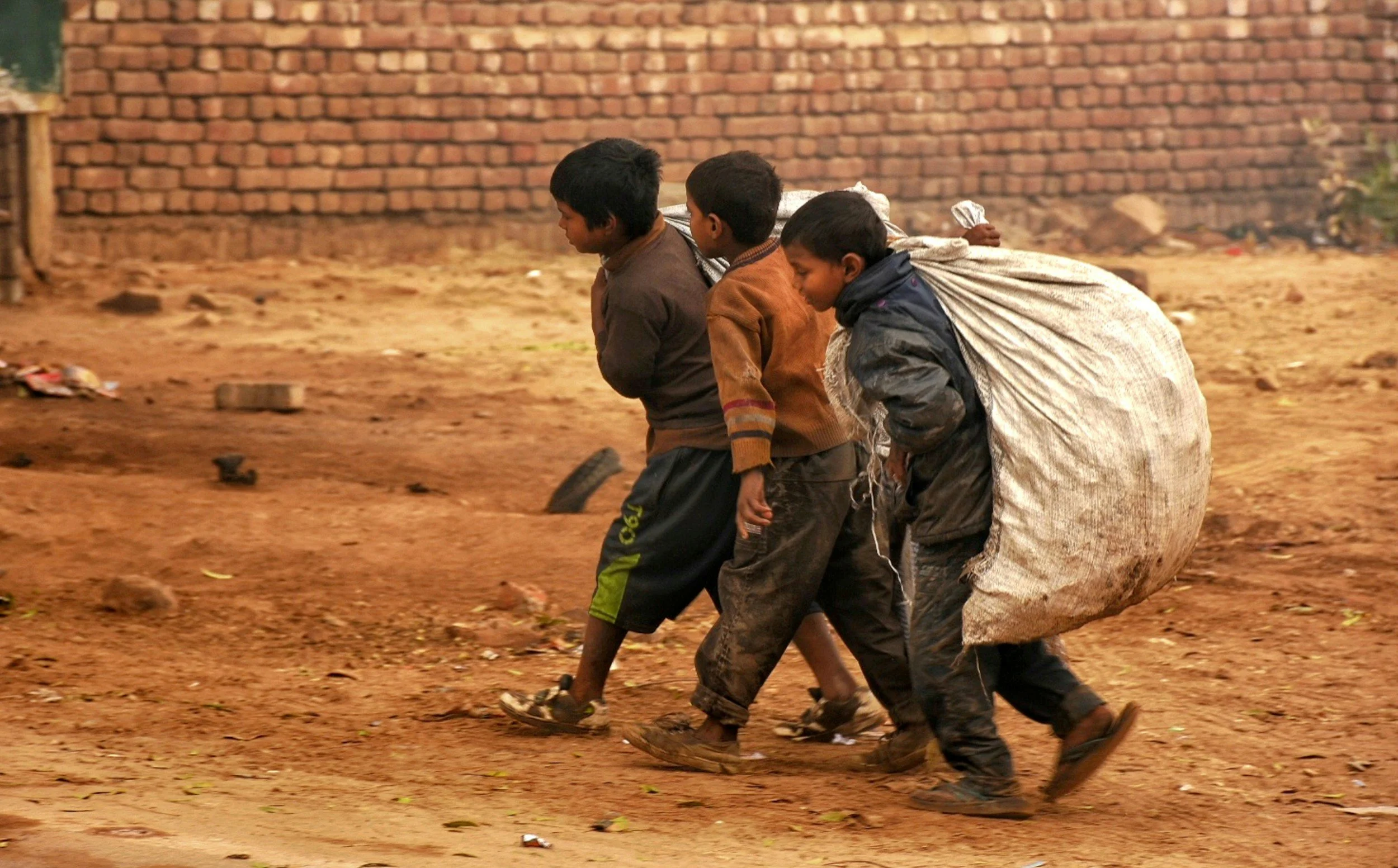
Visual Architecture
Intimate Field Work: Vérité footage following our six protagonists through their unique journeys, showing how the same questions generate different explorations in different contexts
Expert Commentary: Martín Burt, Luis Fernando, Ken Wilber, Joseph Grenny, and other key figures provide context while highlighting how each agent's discoveries differ from and complement the others
Animated Differentiation: Custom animation sequences that distinguish each agent's psychological and cultural journey, showing how their revelations are shaped by their specific contexts

Regional Lenses on Universal Themes
Each agent's journey reveals different facets of poverty ownership—corporate responsibility, post-conflict healing, systemic inequality, cultural preservation, digital divides, and historical trauma—showing how context shapes understanding.

The characters.
This is a preliminary cast list, including confirmed talent and potential individuals we intend to approach. We see these characters as entry points to uncovering additional storylines and on-the-ground perspectives. The list is still in development.
-
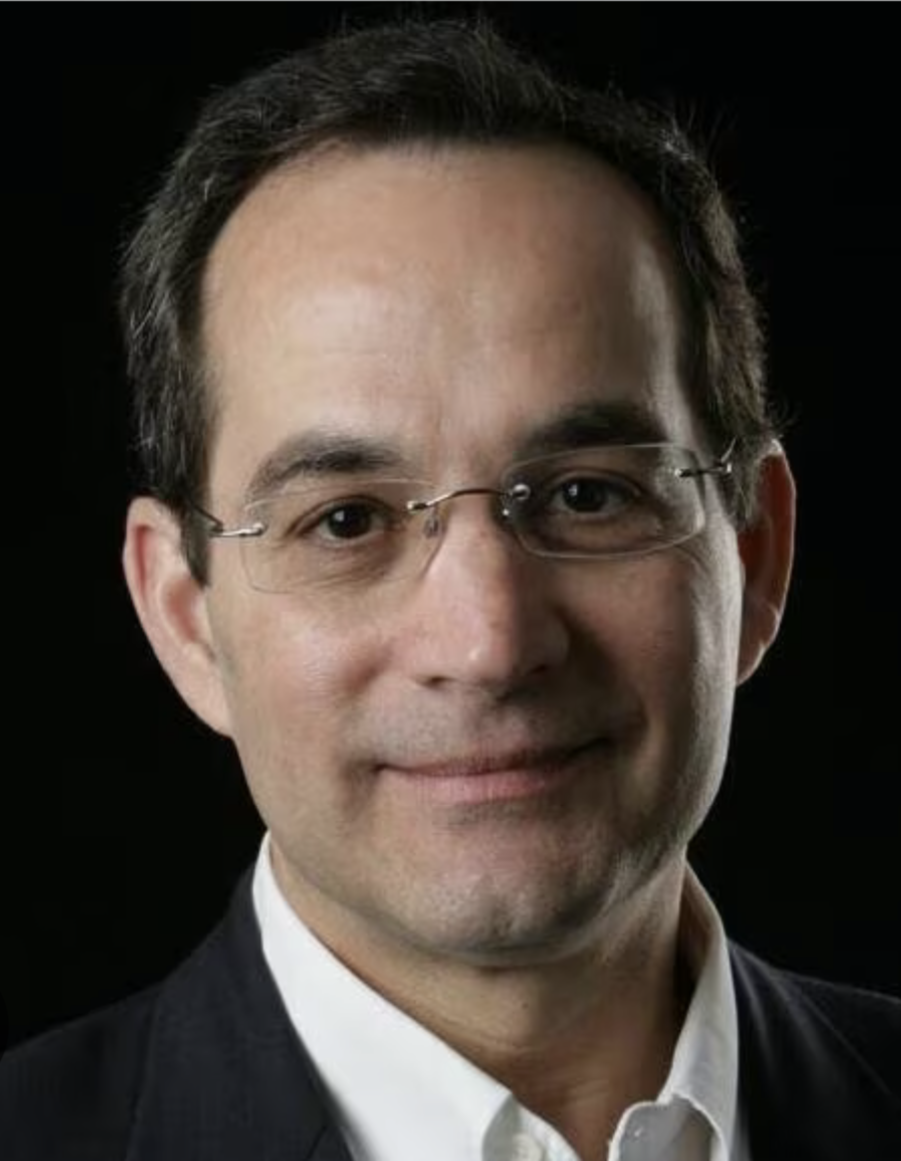
Martin Burt
Founder, Fundación Paraguaya
Dr. Martín Burt is a world-renowned social entrepreneur who has developed various anti-poverty and educational social innovations that are currently being implemented in five continents. He is the founder (1985) and CEO of Fundación Paraguaya, a social enterprise named Latin America’s most impactful and innovative development organization in 2018 by the Inter-American Development Bank.
-
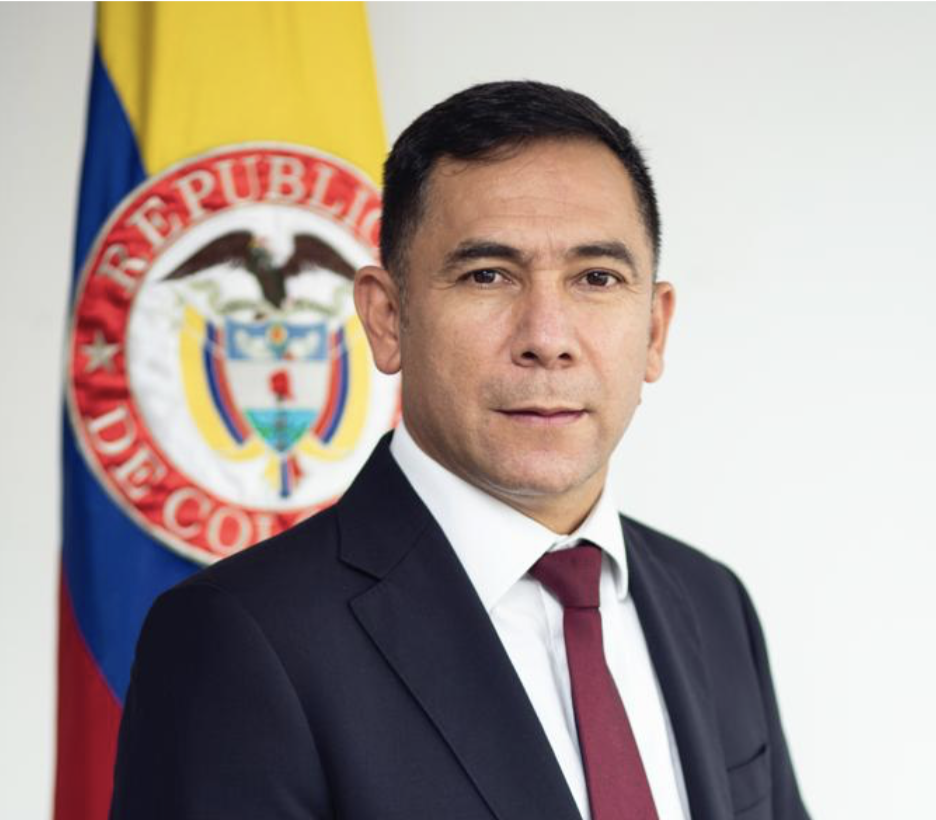
Luis Fernando Sanabria
Chief Operating Officer
Luis Fernando Sanabria has over 30 years of experience working at Fundación Paraguaya (FP) in institution building, microfinance, and social development. He oversees the operations of all FP programs by leading a team of 500 people to implement poverty elimination programs, entrepreneurial education and self-sustainable schools both in Paraguay and in the other countries.
-
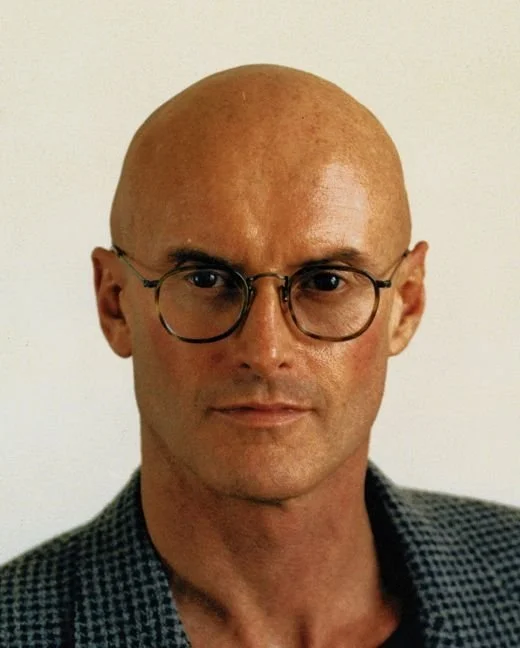
Ken Wilber
Integral Philosopher
Ken Wilber, a visionary thinker of inspired genius, is the developer of an integral “theory of everything” that embraces the truths of all the world’s great spiritual, scientific, and philosophical traditions. He is the most widely translated academic writer in America, with 25 books translated into some 30 foreign languages.
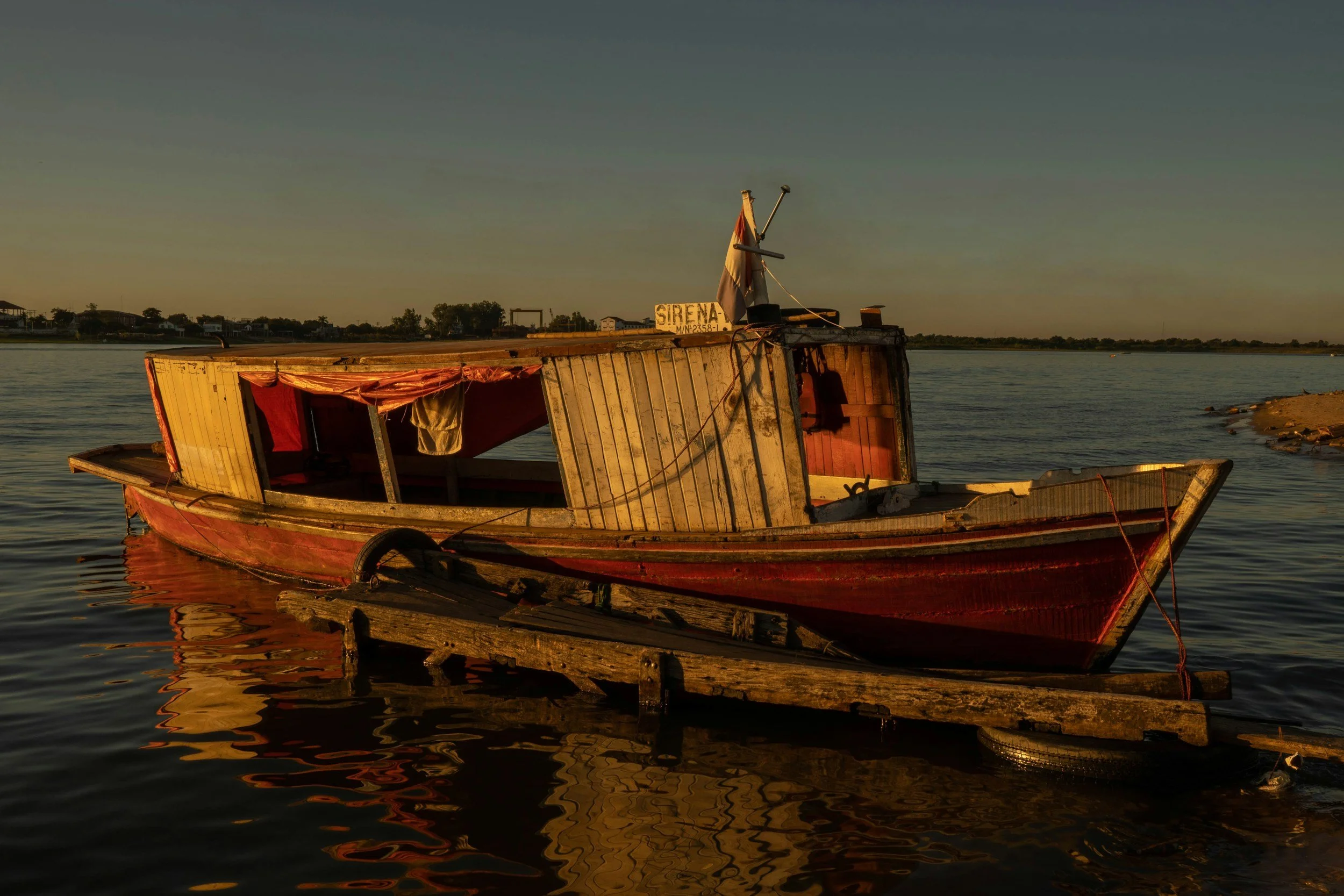
The Episodes.
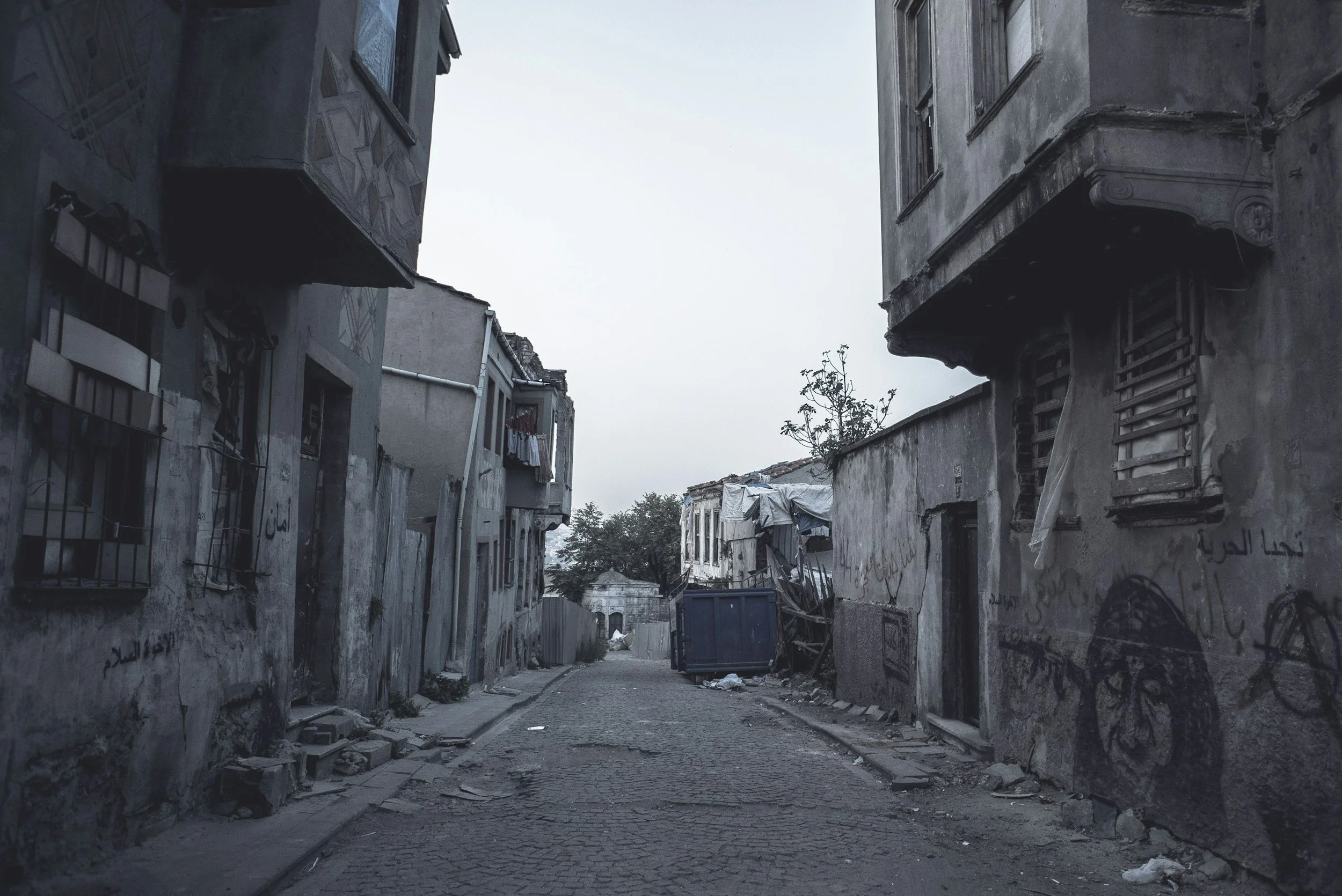
Episode 1
We meet our six agents, each approaching poverty work from their distinct cultural and institutional contexts. While all share Martín's initial confidence, their assumptions about poverty are shaped by different histories—colonialism, capitalism, conflict, culture. Each faces their own version of the "Luis Fernando moment," revealing how the inability to define poverty manifests differently across regions.
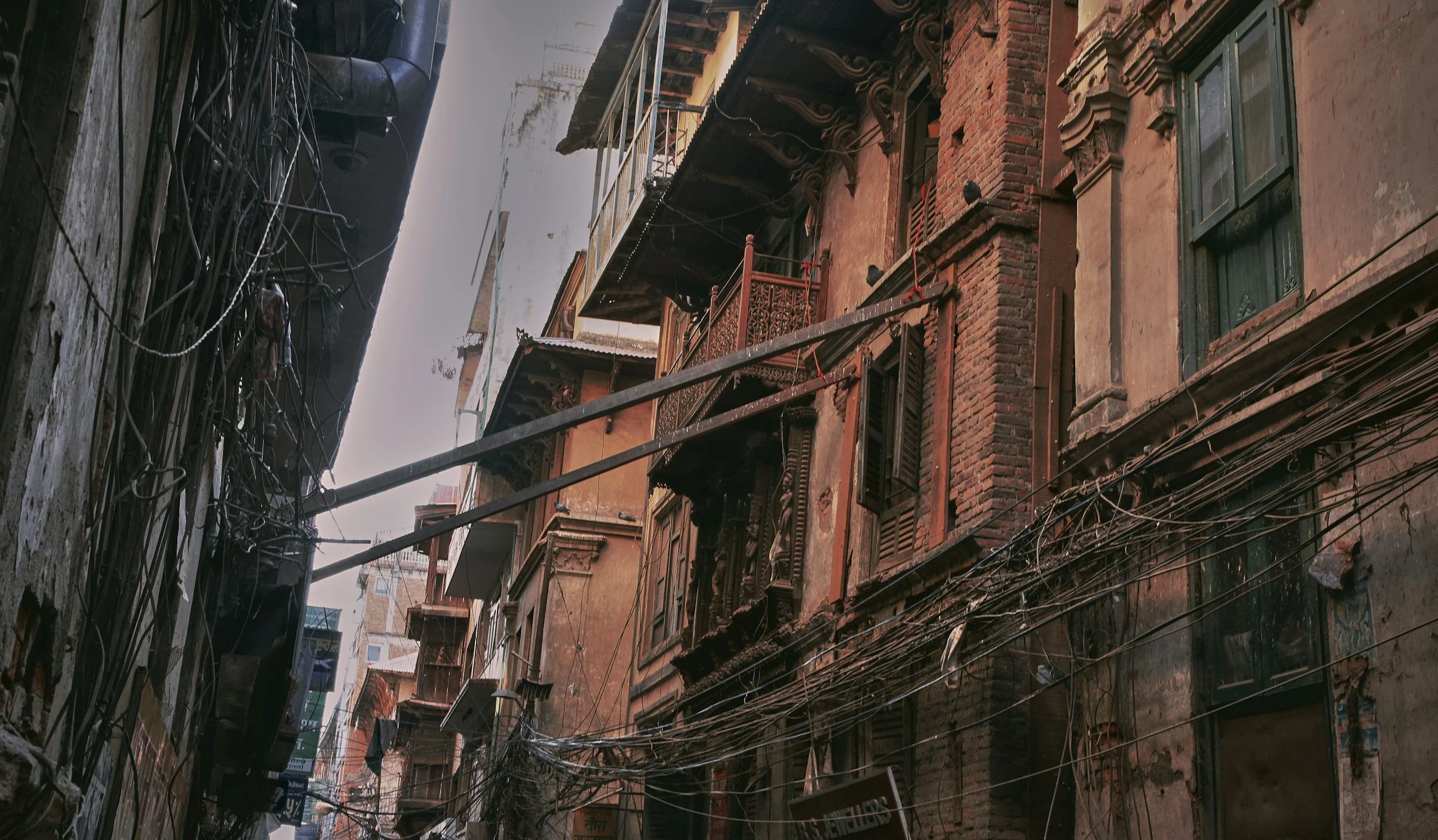
Episode 2
Each agent begins examining their approach through their regional lens. The corporate executive in Asia discovers employee poverty looks different from rural poverty. The post-conflict organizer in Africa realizes trauma shapes poverty in ways aid workers never considered. The European consultant confronts how institutional privilege blinds them to grassroots wisdom. Six different mirrors reflect the same fundamental problem: outsiders defining poverty.
Episode 3
Our agents pursue different approaches to understanding poverty based on their regional contexts and resources. Some seek academic frameworks, others turn to indigenous knowledge, still others examine policy failures. Their paths diverge significantly, showing how cultural context shapes the search for answers, even when the core question remains the same.
Episode 4
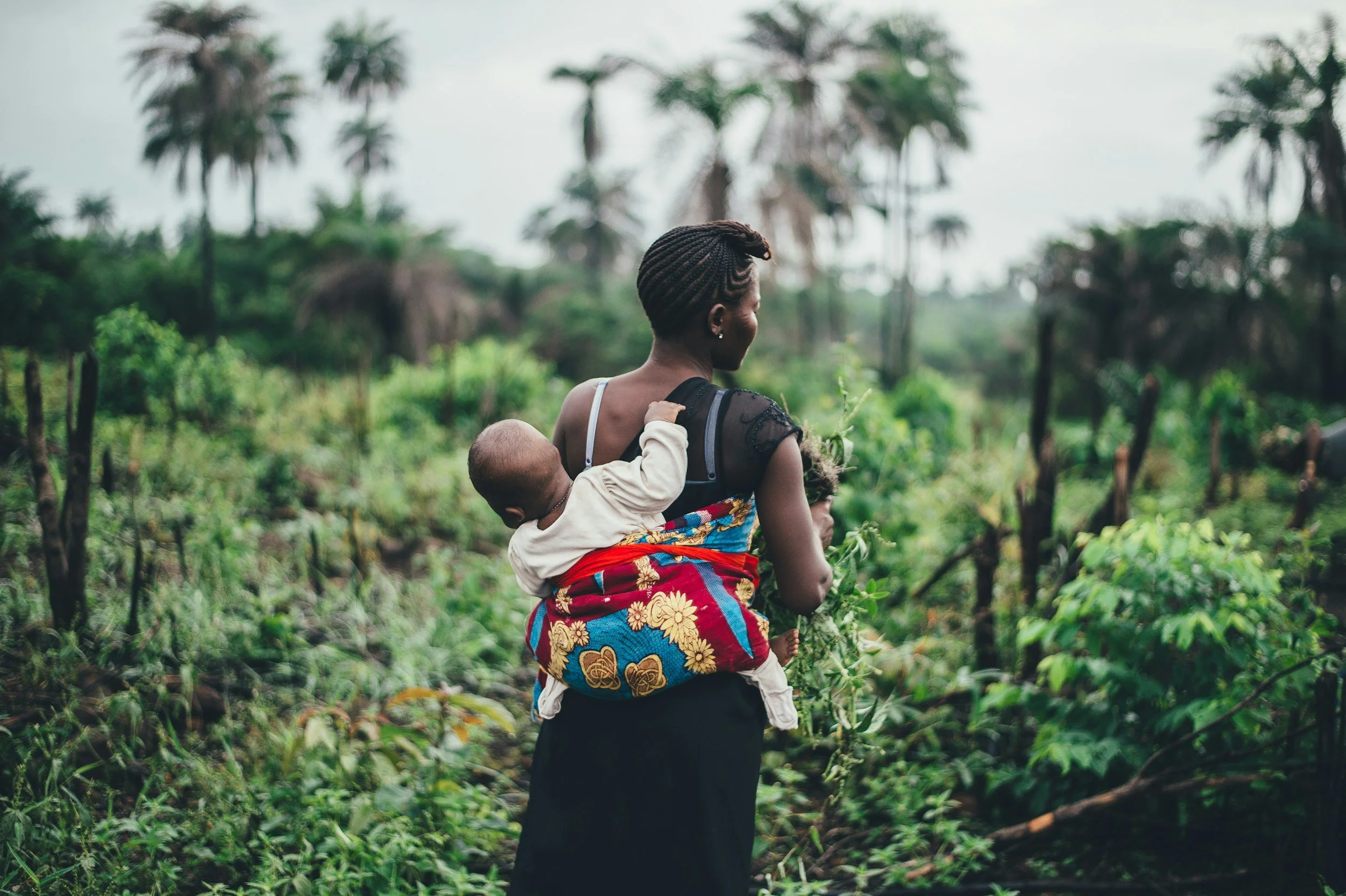
Each agent encounters resistance shaped by their specific contexts—corporate hierarchies in Asia, racial dynamics in North America, bureaucratic inertia in Europe, resource politics in Africa, traditional power structures in Latin America, and inequality dynamics in emerging markets. The same idea—giving poverty back to the poor—threatens different power structures in different ways.

Episode 5
Each agent reaches their own breakthrough, shaped by their regional journey. These aren't identical revelations but complementary insights—about dignity, agency, cultural wisdom, systemic change, economic justice, and human potential. Together, their discoveries create a multifaceted understanding of what it means to give poverty back to the poor.
Episode 6
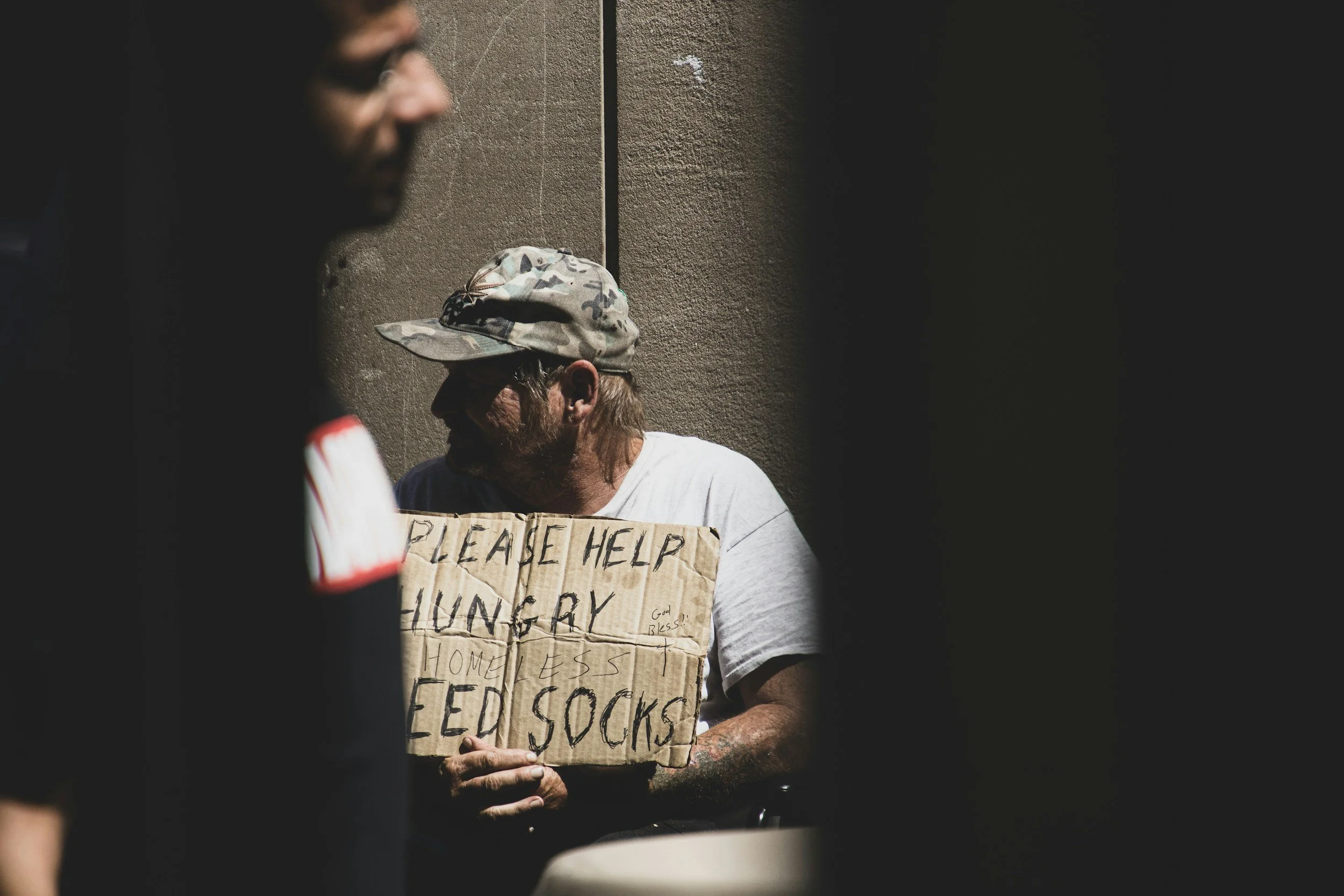
In the final episode, each agent offers their own culturally-informed definition of poverty and what it means to return ownership to those who experience it. While their definitions differ—reflecting their regional contexts and discoveries—they all point to the same truth: poverty is whatever poor people say it is, and solutions emerge when they own both the problem and the power to solve it.
Made by an Award-Winning Team

OF INTERNATIONAL PRODUCERS
Meet the Team
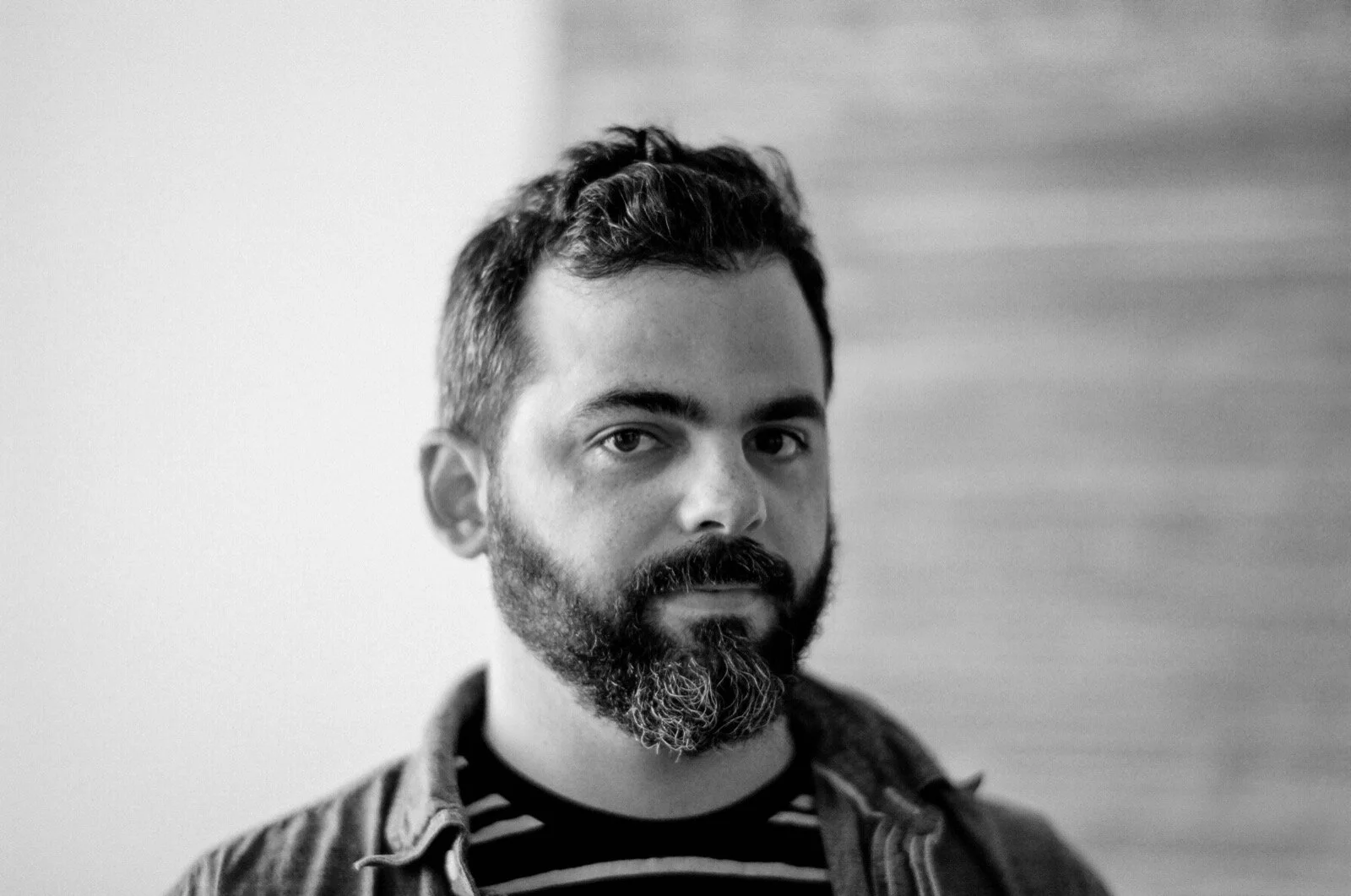
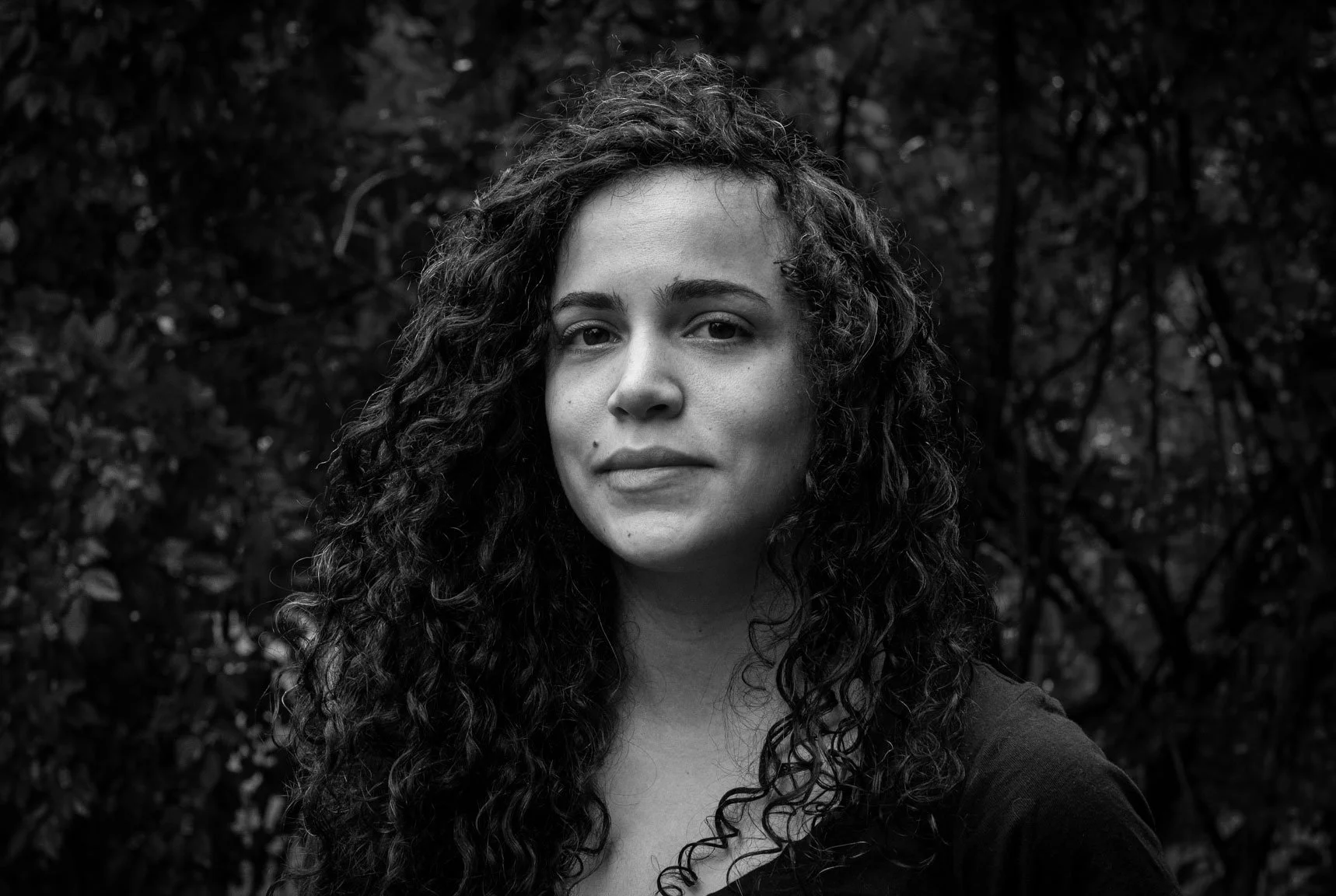
Wendy Muñiz
Director | Writer | Producer
Guillermo Zouain
Director | Writer | Producer
Wendy and Guillermo both immigrated from the Dominican Republic at different points in their lives.Wendy, a first- generation student, obtained her Ph.D. from Columbia University. She’s also an Andrew W. Mellon and Woodrow Wilson Citizens and Scholars fellowship alumni for her work as a researcher and educator. Guillermo graduated with an M.F.A. in directing at the prestigious Catalonia’s Escola Superior de Audiovisuals. Their work as producers throughout Latin America and the U.S. has received the support of the Sundance Film Institute, ITVS, Film Independent, Chicken & Egg, the Ford Foundation’s JustFilms, and the Tribeca Film Institute, traveling worldwide from Cannes, True/False, Visions du Réel, Guadalajara, and the Atlanta Film Festival, to NOLA, BAFICI, DOC NYC, BFI Flare, and Camden International Film Festival. Michelle Rojas is not Okay (2023), their first podcast show as creators, directors, producers, and writers, starring Dascha Polanco and The Kid Mero, was picked up by Broadway Video and Audible.
Thank you!
CONTACT US:
wendy@thelightroom-ath.com guillermo@thelightroom-ath.com
Seeds for the Future Pitch Deck | All Rights Reserved. 2025