“What if nearly everything we thought we knew about poverty was wrong? What if we have been leaning the wrong ladder on the wrong wall?”
- Martín Burt, Founder of Fundación Paraguaya

In Paraguay, 2008, a chief operating officer asked one simple question that would shatter everything his organization believed about fighting poverty: "What do we mean by poverty?" His boss—a respected microfinance pioneer—couldn't answer. After twenty-three years of helping the poor, after reaching 70,000 clients and achieving financial sustainability, Martín Burt realized he had no idea what poverty actually was.
This moment sparked a radical journey that would challenge an entire $150-billion development industry. What Burt discovered wasn't just a new way to measure poverty—it was proof that poor people had never been given the chance to define their own experience. For decades, economists, aid workers, and governments had been defining, measuring, and solving poverty without ever asking poor people what they thought.
The revolution that followed would spread to 44 countries, transform 250+ organizations, and prove that the poorest people on earth might just be the world's greatest poverty experts.
"We're all climbing up the ladder of consciousness—and each person, rich or poor, has a personal perspective, and we always mistake perspective for truth."
— Ken Wilber, U.S. theorist.
THE STORY.
A Global Revolution
What began as one humbling moment in Paraguay would eventually cross oceans and challenge the core of global poverty programs.
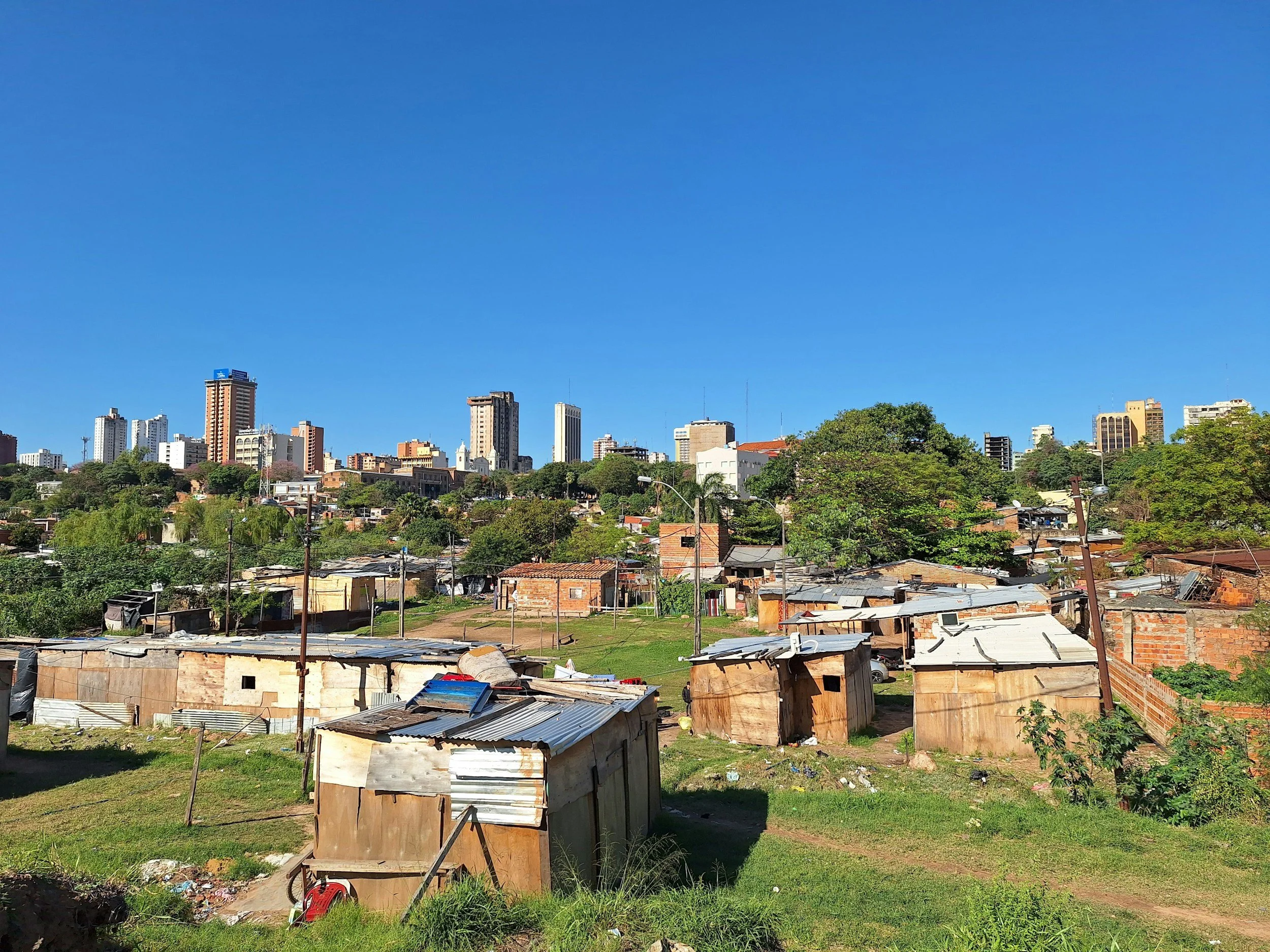
Owning Poverty follows the full journey—from Martín awakening in the slums of Asunción and the founding of Fundación Paraguaya, to the creation of Poverty Stoplight, a practical, visual tool that empowers families to assess and overcome multidimensional poverty. The documentary captures the global ripple effect of this bold idea, as it takes root and flourishes in diverse communities on nearly every continent.

Universal Patterns, Cultural Translations
Owning Poverty is a portrait of quiet revolution. At its center is Martín—executive producer and leader at Fundación Paraguaya—who, from the heart of a pioneering social enterprise, is building a global network of community centers and organizations committed to ending poverty from within—by training local guides to lead their own adapted versions of the Poverty Spotlight program.
The film unfolds across three intertwined threads: Martín’s leadership as he connects and supports guides across continents while steering the foundation at home in Paraguay; the guides’ personal, often unpredictable journeys as they attempt to transform their communities using tools Martín once used himself; and the evolving, layered relationships between mentor (Martín) and mentees—relationships that challenge everyone involved to rethink what change truly requires.
But this isn’t just a story of individuals. At its core are the communities—poor in material resources but rich in resilience, complexity, and contradiction. They are not backdrops but characters in their own right, whose shifts in mindset and agency pulse at the heart of the film.
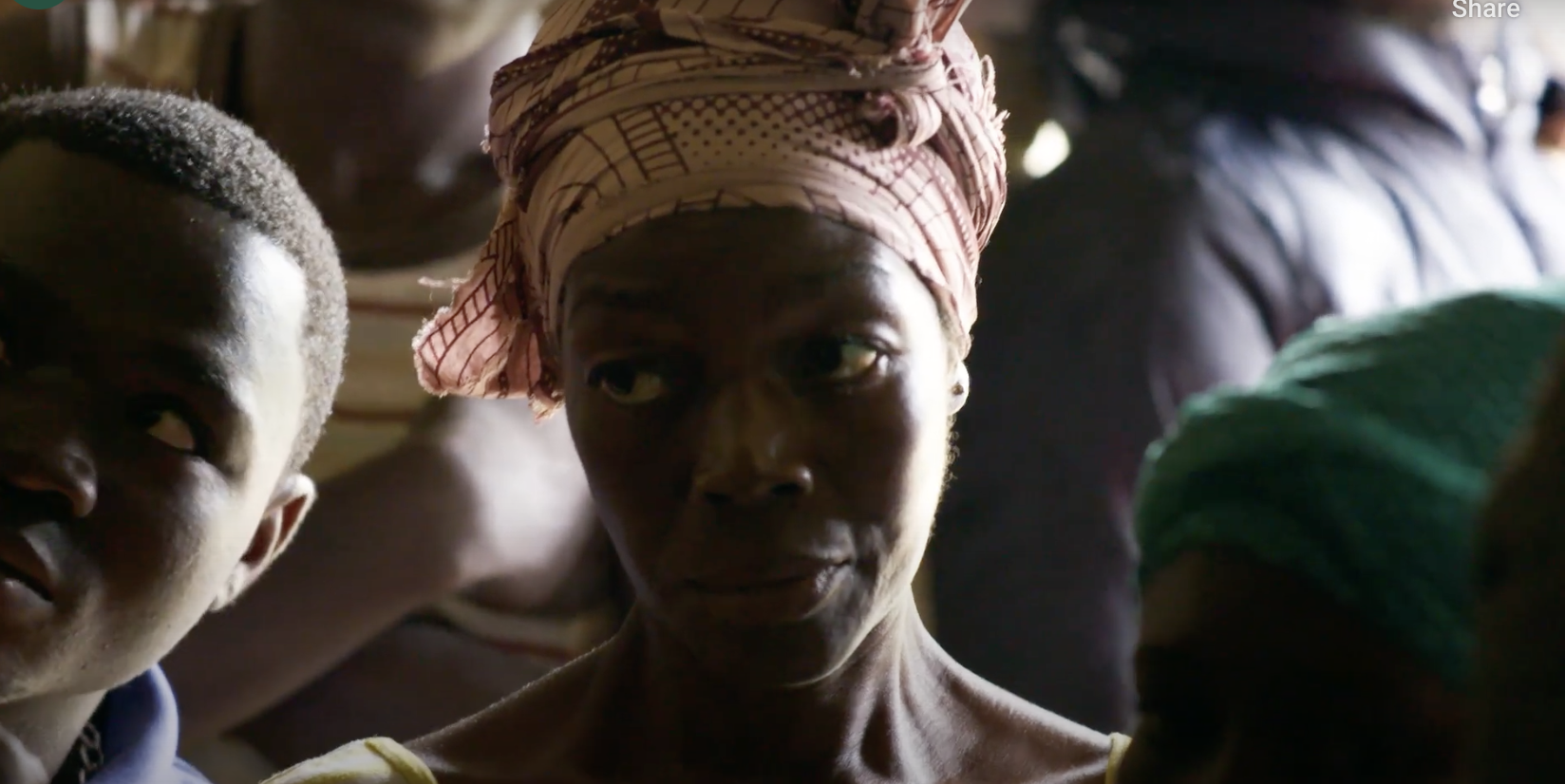
Shot across multiple countries in immersive vérité, Owning Poverty captures the tension between idealism and lived experience, the weight of legacy and the urgency of action. It is a story not of rescue, but of reckoning—about those willing to unlearn, reimagine, and forge something real in the shadow of broken systems.
Same Question, Different Worlds
When community guides like Karen Calhoun (Director of Human Services in Cabarrus County, NC) discover families being separated not because of abuse but because of poverty, Martín reminisces the same pattern he witnessed when the Paraguayan government wanted to pay people to stay poor through conditional cash transfers. When others like Stanley Onuoha (Department of Biotechnology, Ebonyi State University, Nigeria) struggle to translate "poverty" into culturally acceptable language, Martín recalls his own journey from confident banker to embarrassed seeker who couldn't define the thing he'd spent decades fighting.
Through their parallel stories—Martín's foundational journey and the global pioneers' adaptations—we witness how the simple statement “Owning poverty” generates the same resistance and revelations whether you're confronting a Paraguayan bank manager who calls street vendors "the plague" or a U.S. system that separates families rather than empowering them. The context changes, but the revolutionary truth remains: poverty belongs to those who experience it, and solutions emerge when they own both the problem and the power to solve it.
The documentary.
The journey begins not in Paraguay,
but in South Africa,
where a group of scientists and educators receive a video call that will upend their work—and worldview. On the other end is Martín Burt, the founder of Fundación Paraguaya and creator of Poverty Stoplight, a visual self-assessment tool that empowers families to define and overcome their own experience of poverty. The call echoes Martín’s own turning point decades earlier, when a teenage boy named Luis Fernando asked Martín a simple question: What is poverty? Martín had no answer.
As Martín’s vision spreads across the globe, we follow the effort to adapt the methodology to a South African context—grappling with language, stigma, and the challenge of transforming "poverty" into something people can own without shame. The camera stays close during these conversations, revealing the shared resistance all involved face from traditional institutions: in South Africa, as in Paraguay, gatekeepers insist they know best.
The narrative then shifts to the United States, where the cultural translation becomes even more fraught. In a country obsessed with expert-driven solutions, the word poverty itself becomes taboo. In Cabarrus County, North Carolina, we meet Karen Calhoun, a public servant confronting a painful truth: families in her care are being separated not for abuse, but for being poor. Her story parallels Martín’s discovery that government cash transfers in Paraguay were incentivizing dependency.
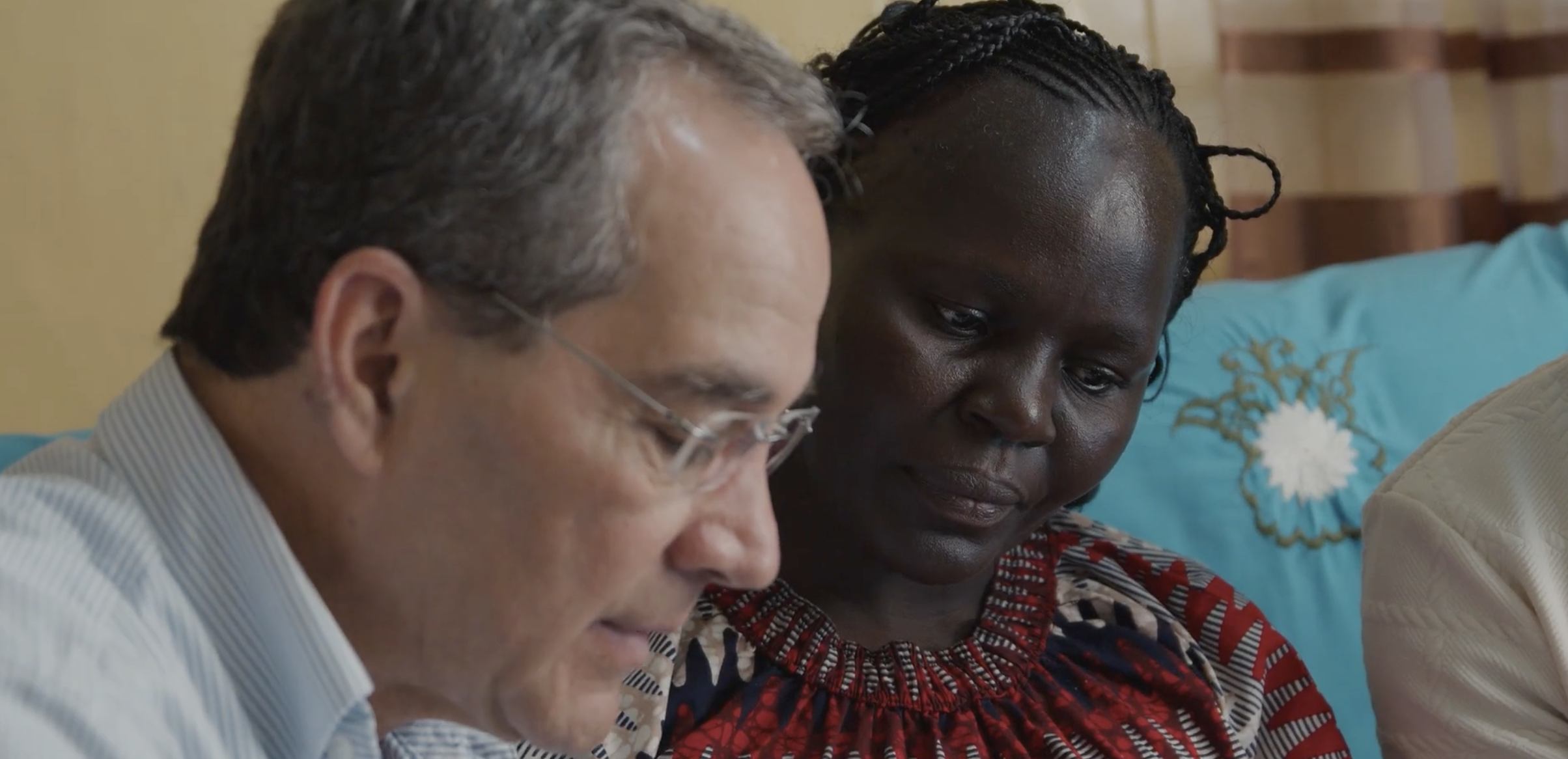
Through Karen’s collaboration with Dr. Gary Nelson at UNC, we witness the development of new languages and programs built from the Poverty Stoplight framework. By letting families define their own indicators of stability—clean clothes, functioning plumbing, time with children—the program achieves an 88% reduction in repeat child welfare cases. These aren’t just numbers. They’re stories of transformation told from kitchen tables, school pickup lines, and county office hallways.
We the follow others like the Telamon Corporation as these organizations implement the tool through its Head Start programs. We’ll join experts like Patti Kingery who champions a family-first approach, echoing Martín’s realization that we are all poor in some ways and rich in others.
The mosaic deepens with parallel community narratives in other geographies similar to the ones below:
— In Winston-Salem, Michael Banner and Marcus Hill launch “Culture Lights,” a grassroots effort to reclaim a redlined neighborhood known as “The Island.” They use the Stoplight to shift neighborhood dialogue from gossip to growth, from survival to aspiration.
— At Zachry Construction in Texas, HR director Eli Embleton discovers that understanding workers’ dreams—owning a home, starting a business—matters as much as improving productivity. Poverty, he realizes, walks through the turnstiles every morning.
Through visual storytelling, animation, and verité intimacy, Owning Poverty mirrors the logic of the Stoplight itself. It is accessible, nonlinear, deeply human. Animation and motion graphics—modeled on the Poverty Stoplight’s design—translate abstract data into emotional clarity, revealing not just what poverty is, but what it feels like.
As the methodology spreads further through other organizations across the globe, the film explores how giving people the power to define their own challenges creates community-wide ripple effects. Poverty is no longer a label—it becomes a process, a journey of redefinition.
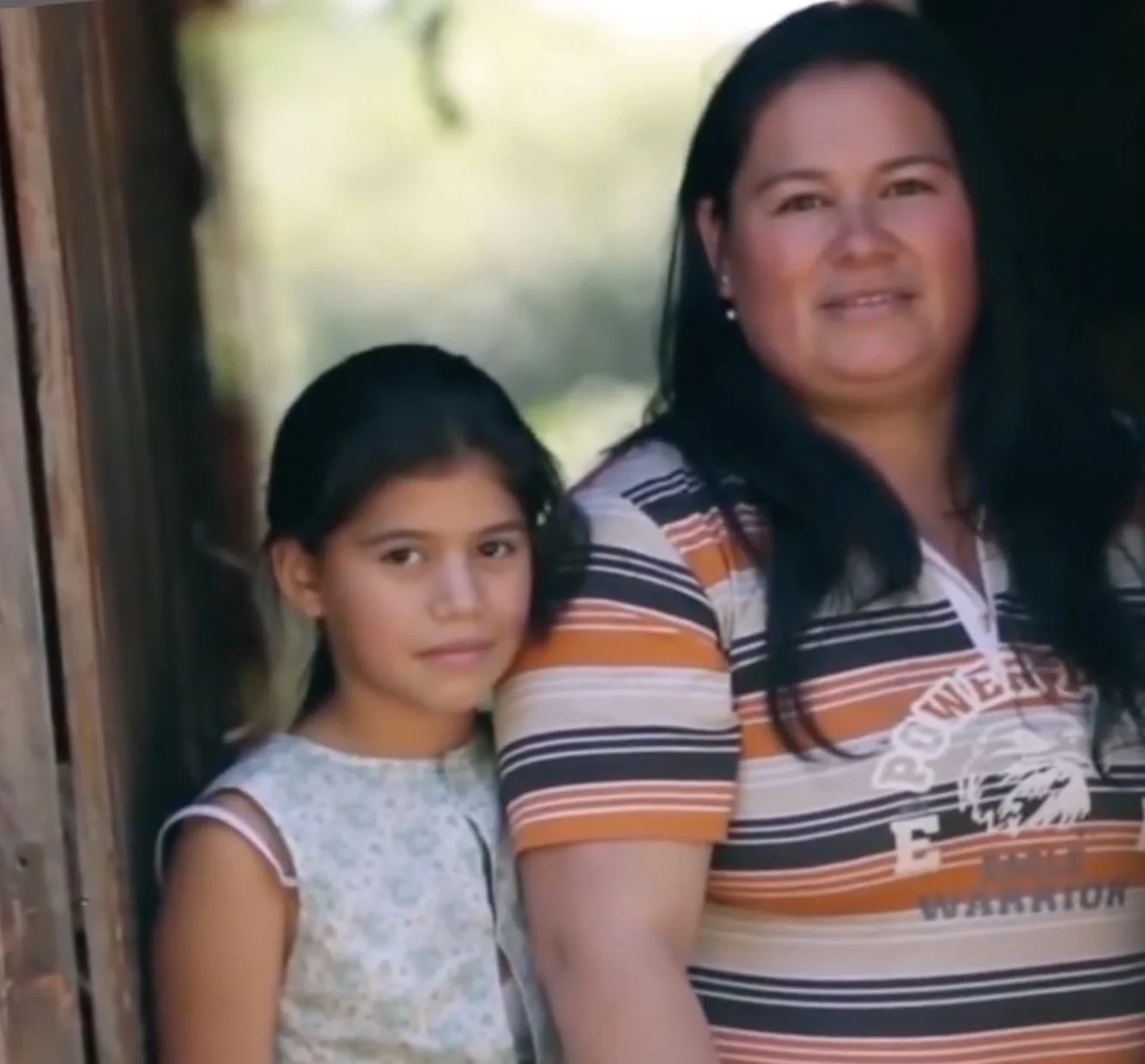
All roads eventually lead back to Cerrito, Paraguay—the site of Martín’s most ambitious experiment: eliminating poverty in an entire rural village. There, families chose priorities most experts overlooked—like garbage collection or bathroom repairs—over income increases. And it worked.
In the closing act, the film returns to Martín’s core insight as shared, and transformed by, others who followed Martín’s footsteps: when you give poverty back to the people who live it, solutions emerge that no external expert could design. In this quiet revolution, the most radical act is listening.






A 90-minute Mosaic Across Continents
Owning Poverty is a globally rooted documentary that follows Martín’s foundational work in Paraguay and connects it to the real-time evolution of anti-poverty initiatives across multiple continents. Told through a dynamic blend of verité, intimate interviews, and animation, the film adopts a mosaic structure—layering diverse stories and visual languages to offer a multidimensional portrait of poverty as a systemic, yet deeply human, experience.
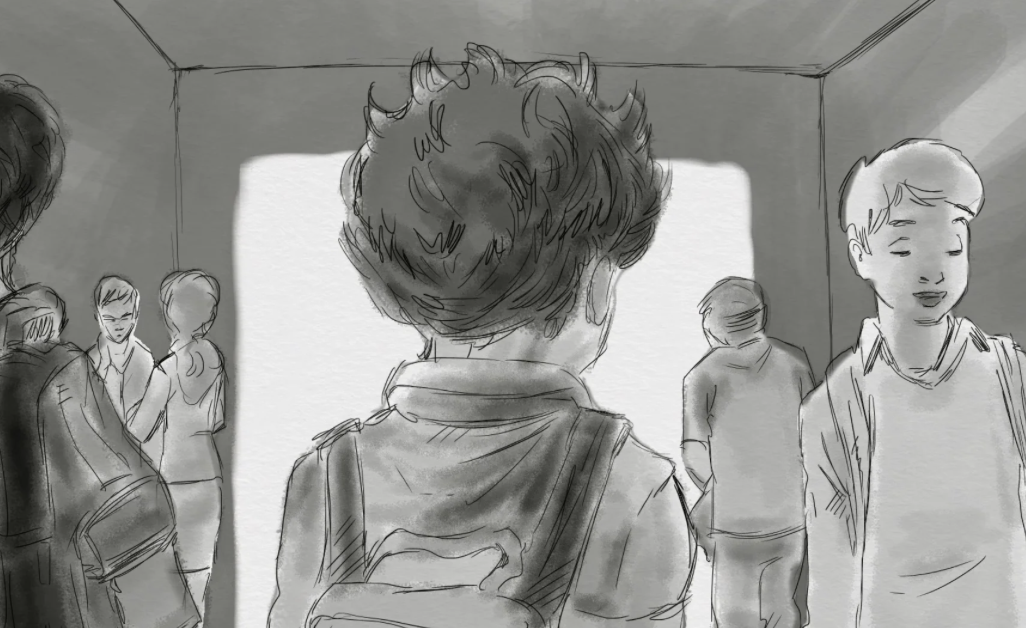
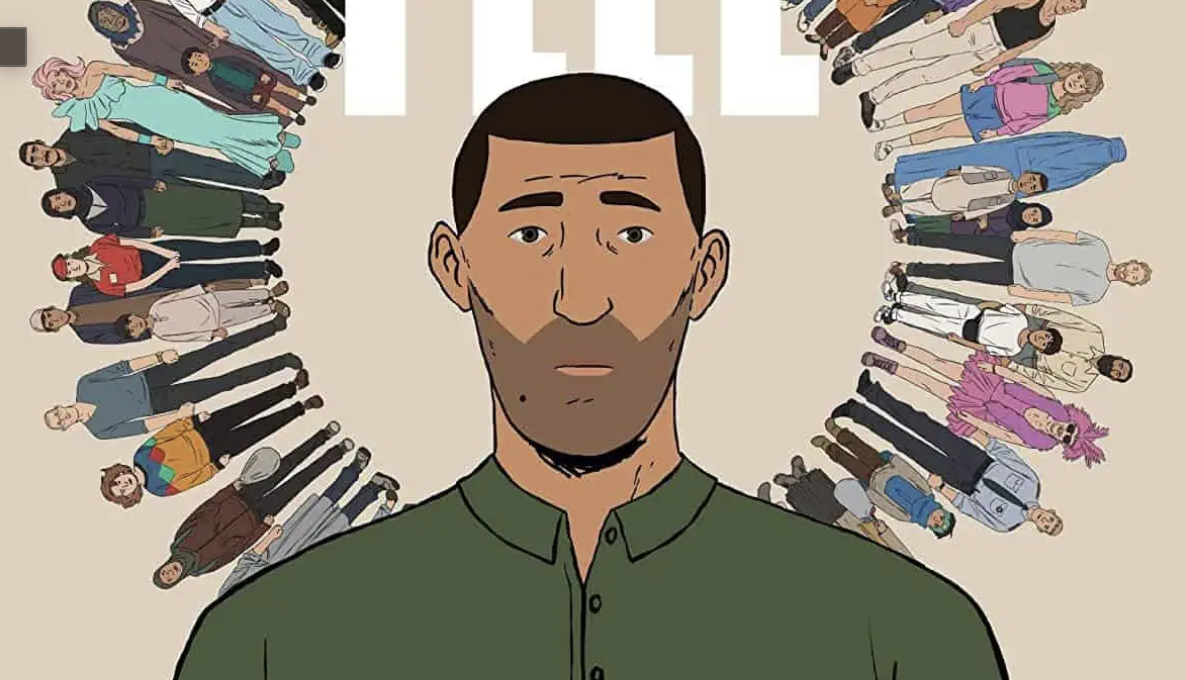
Central to the storytelling is the use of graphics and animation, inspired by the Poverty Spotlight framework. These visual elements will not only interpret the data and theory behind the methodology, but also function as creative tools for engagement—making the science emotionally accessible and visually resonant. The goal is to open up space for meaningful dialogue, while offering a fresh cinematic approach to depicting structural inequality, much like the documentary Life, Animated (2016).
With a commitment to showcasing stories from across the Global South and North, Owning Poverty is designed as a truly international collaboration. We are actively seeking co-production opportunities in regions with strong film and animation support—including Colombia, Brazil, South Africa, the U.S., Canada, the UK, and emerging animation hubs like Bulgaria and Slovakia. Our production strategy aligns with the project’s ethos: building a global coalition for change through the power of storytelling.
Visual Connection
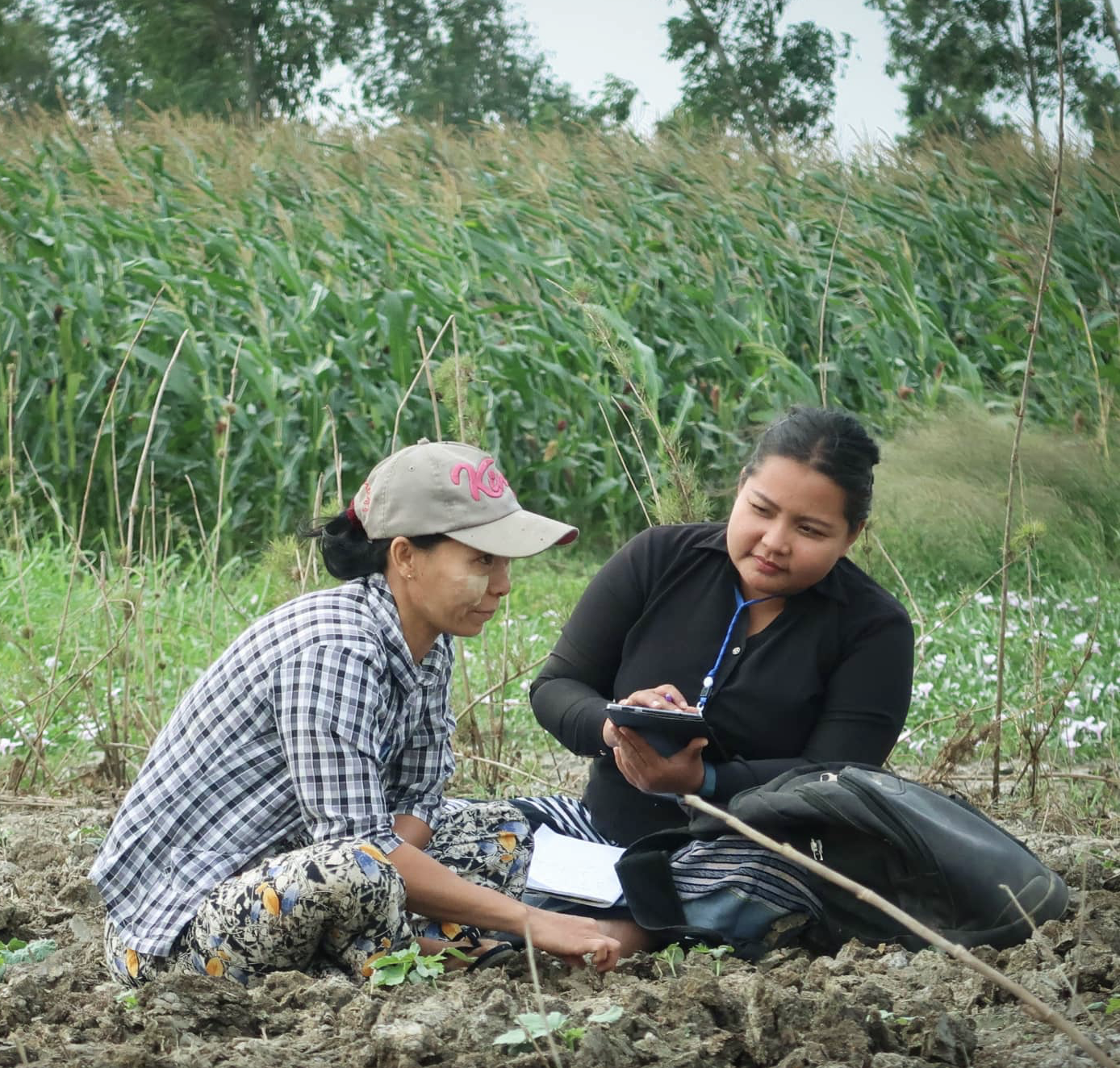
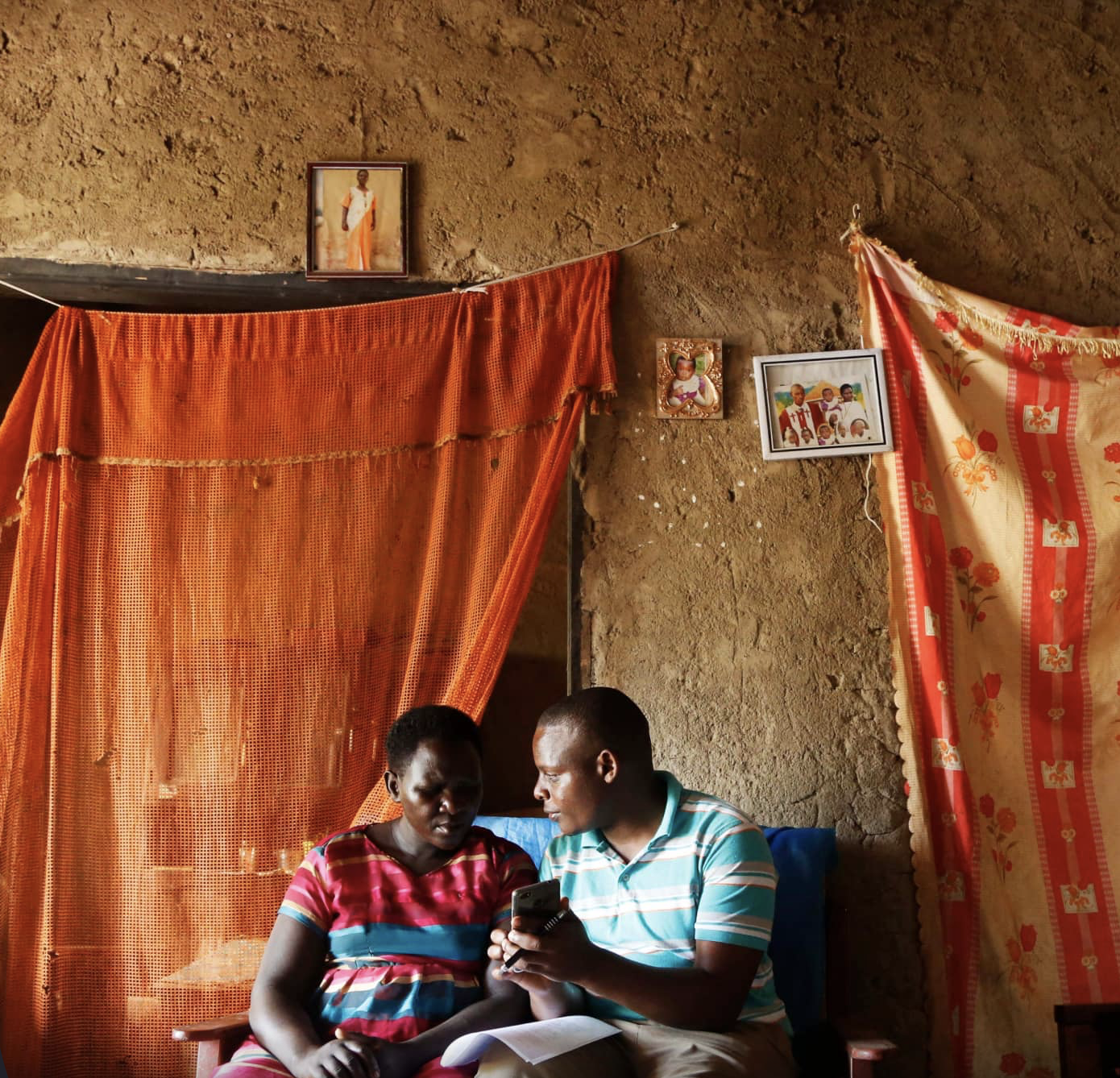
Intimate Field Work: from the chipas seller who offered to give whatever answer Martín wanted to hear, to the guides visiting secret beauty pageant in the slums, to all of our characters witnessing agricultural students dancing at graduation.
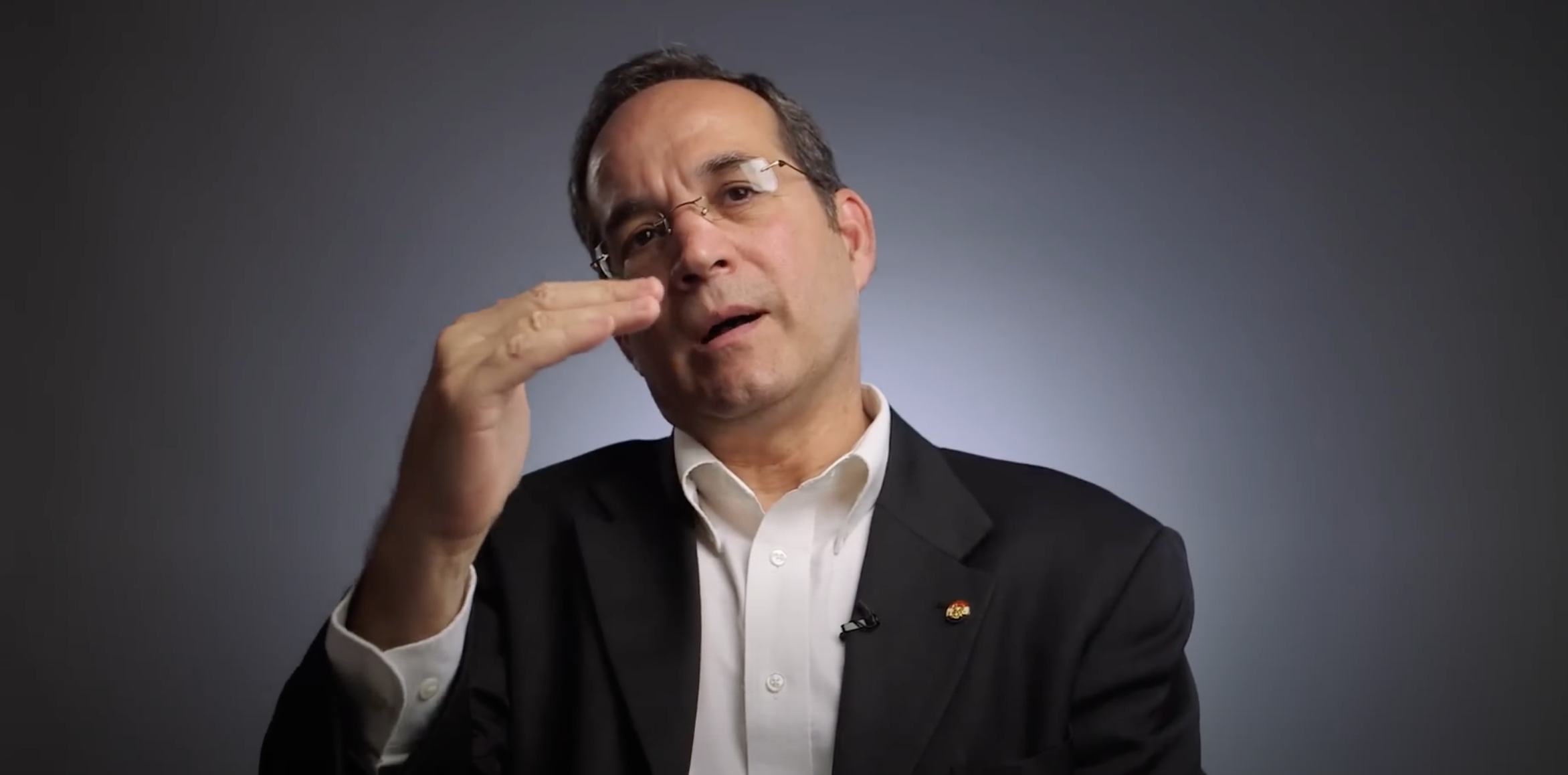
Expert Commentary: Martín and other guides and experts provide context through video calls, drawing connections between what he experienced decades ago and what's happening today.
Animated Science
Think Life, Animated meets The Social Dilemma and Flee, with a tonal mix of grounded urgency and hopeful pragmatism. The camera lingers in homes, community centers, and virtual meetings, privileging moments of reflection over exposition.

The characters.
This is a preliminary cast list, including confirmed talent and potential individuals we intend to approach. We see these characters as entry points to uncovering additional storylines and on-the-ground perspectives. The list is still in development.
-
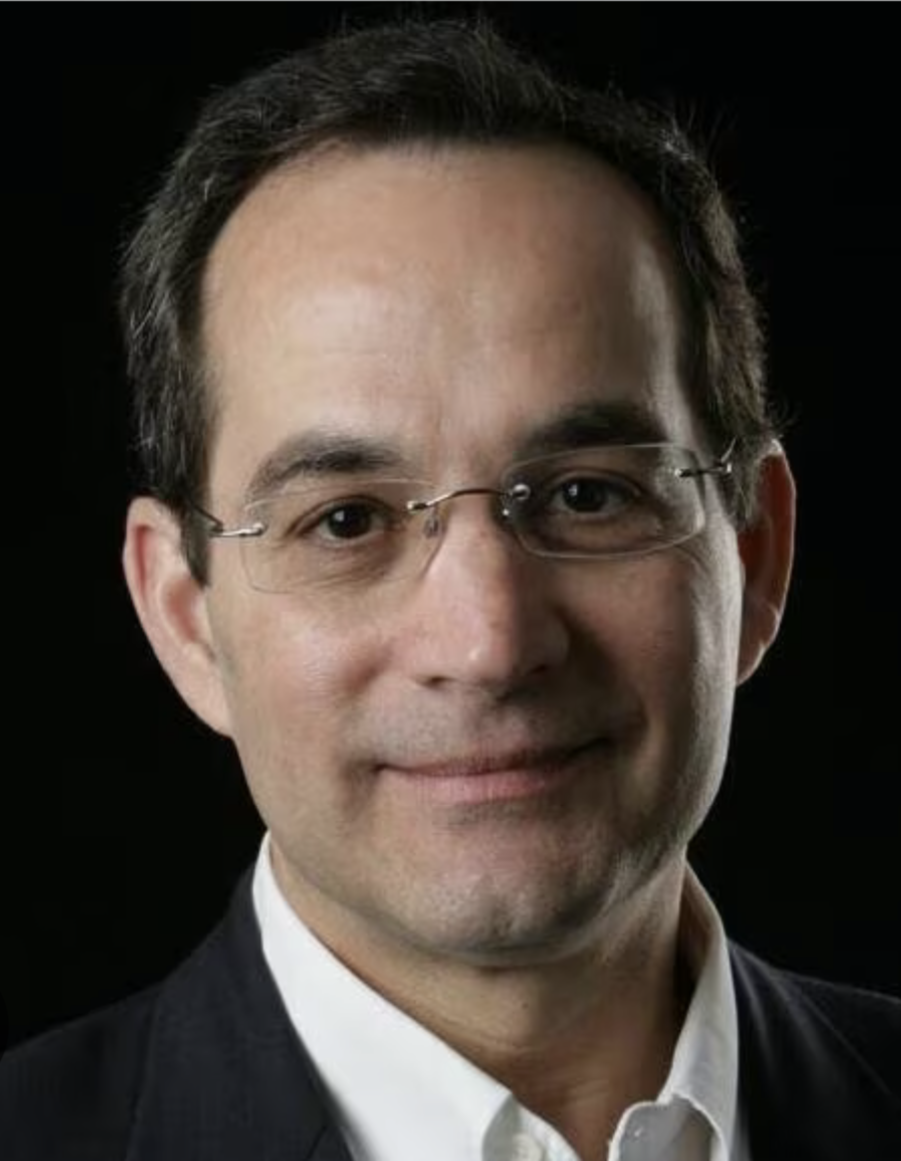
Martín Burt
Founder, Fundación Paraguaya
Dr. Martín Burt is a world-renowned social entrepreneur who has developed various anti-poverty and educational social innovations that are currently being implemented in five continents. He is the founder (1985) and CEO of Fundación Paraguaya, a social enterprise named Latin America’s most impactful and innovative development organization in 2018 by the Inter-American Development Bank.
-
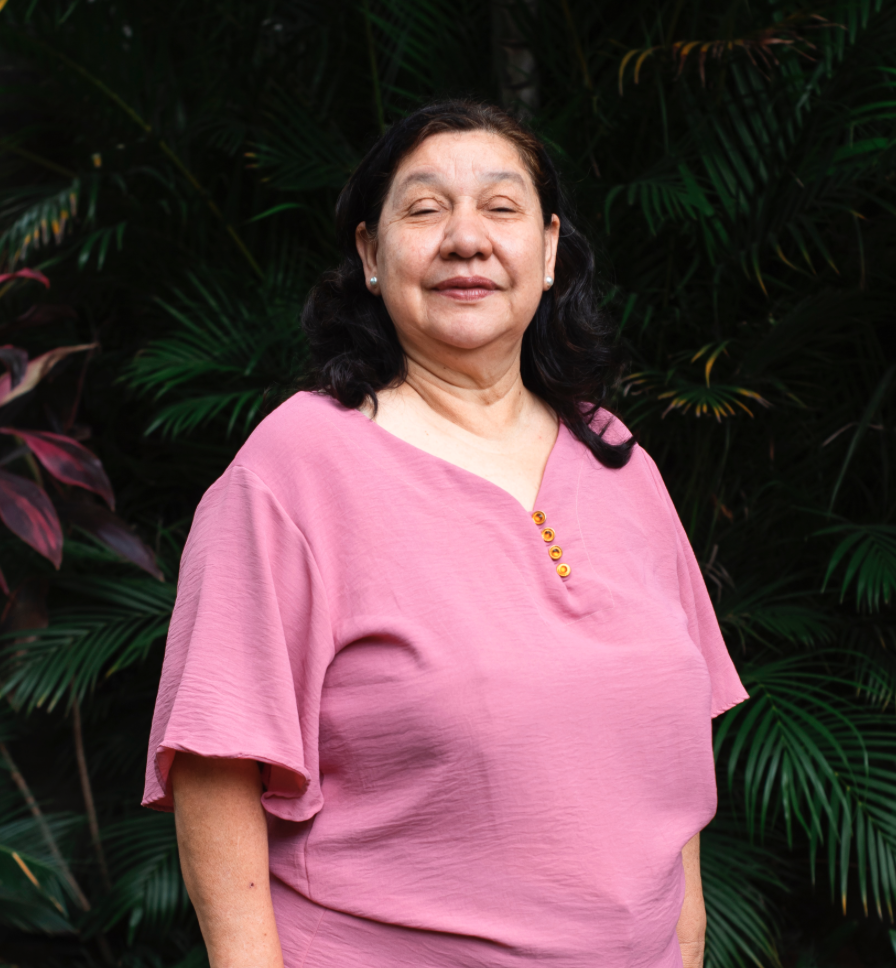
Celsa Acosta
Stoplight Projects and Initiatives Coordinator
The woman who helped transform the agricultural school from all-boys to co-educational and later led the Cerrito "Village Without Poverty" initiative.
-
Rosa
Microfinance Client, Paraguay
The street vendor selling chipas who revealed the "chameleon effect" by asking Martín what answer he wanted to hear—poor enough to need a loan or successful enough to repay it.
-
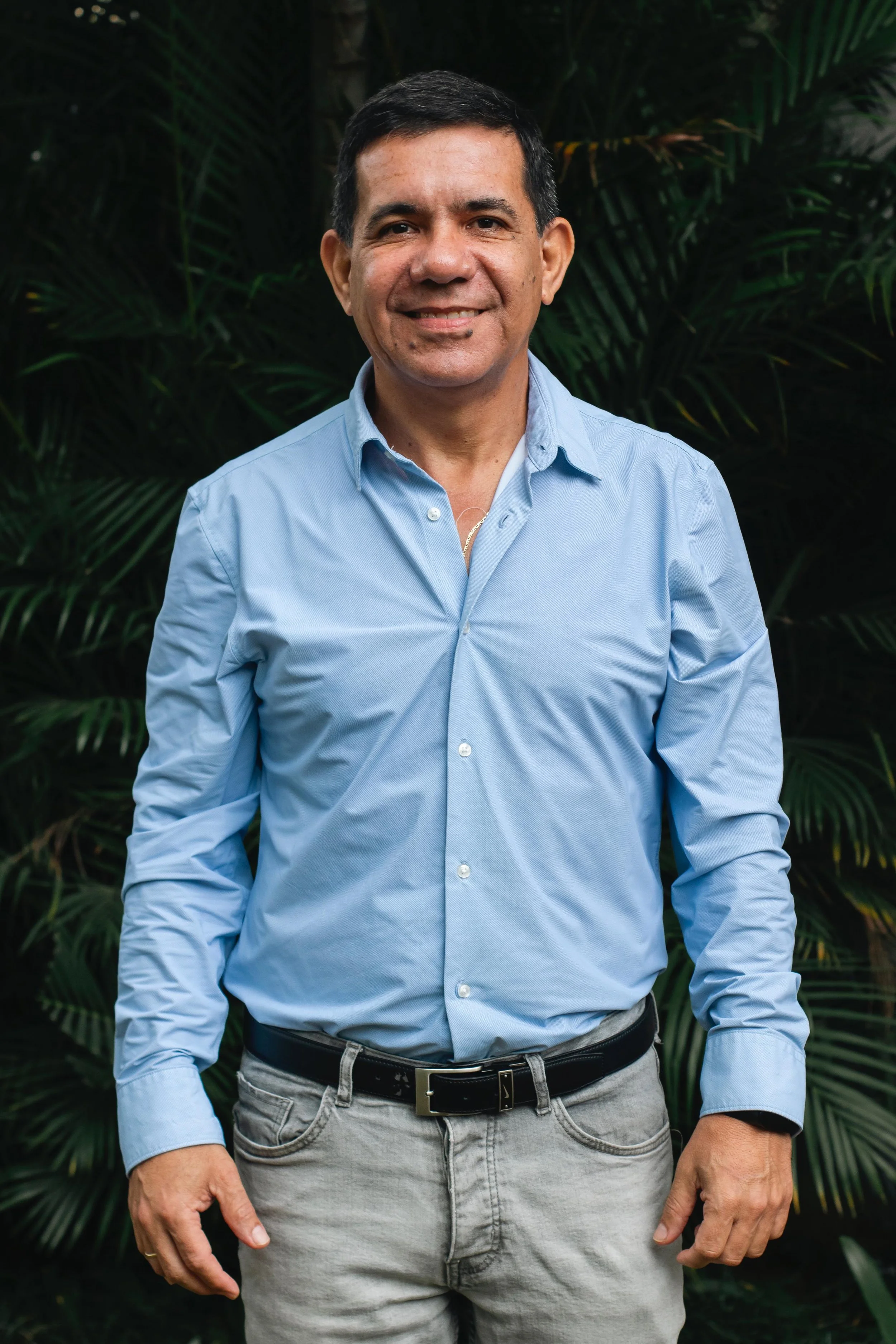
Luis Fernando Sanabria
Chief Operating Officer
Luis Fernando Sanabria has over 30 years of experience working at Fundación Paraguaya (FP) in institution building, microfinance, and social development. He oversees the operations of all FP programs by leading a team of 500 people to implement poverty elimination programs, entrepreneurial education and self-sustainable schools both in Paraguay and in the other countries.
-
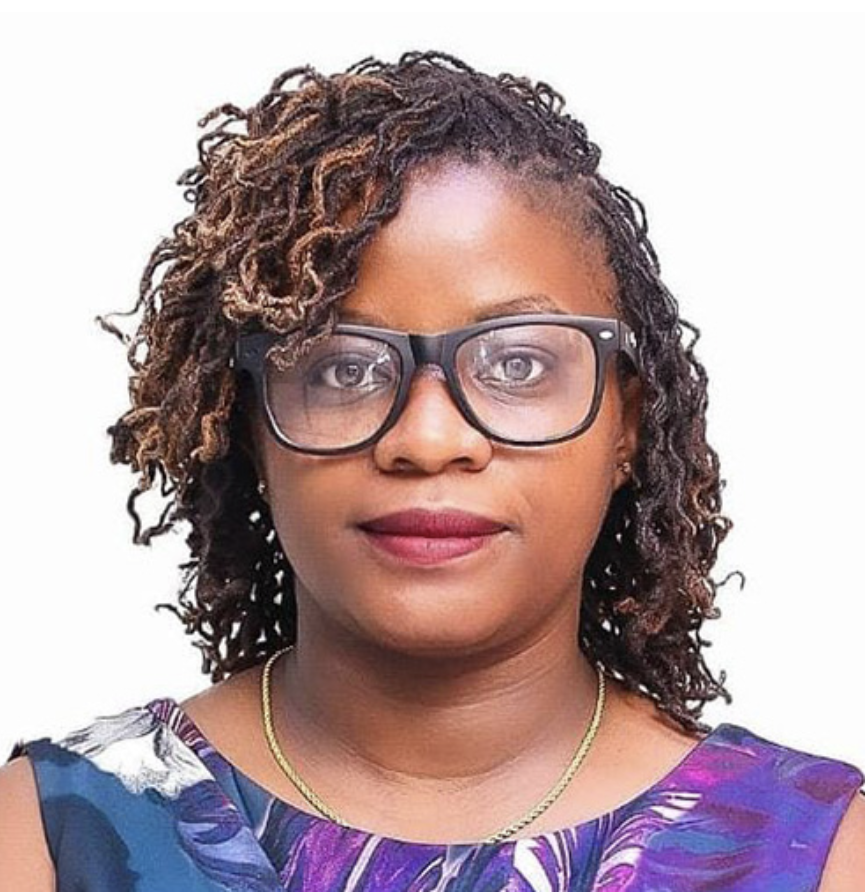
Florence Dzame
Associate Director, Global Communications
Florence has over ten years of experience as a communications expert in Africa. She is an award-winning journalist and has a Master's degree in Communications Studies from the United States International University - Africa. She has extensive experience in strategic communications, digital communications, writing, and media relations. She is also a researcher with a focus on gender and media studies.
-
Jorge Guerrero
Agricultural School Graduate
The former student who went from intimidated peasant who couldn't look people in the eye to confident university student managing a vegetable garden business and buying his own laptop.
-
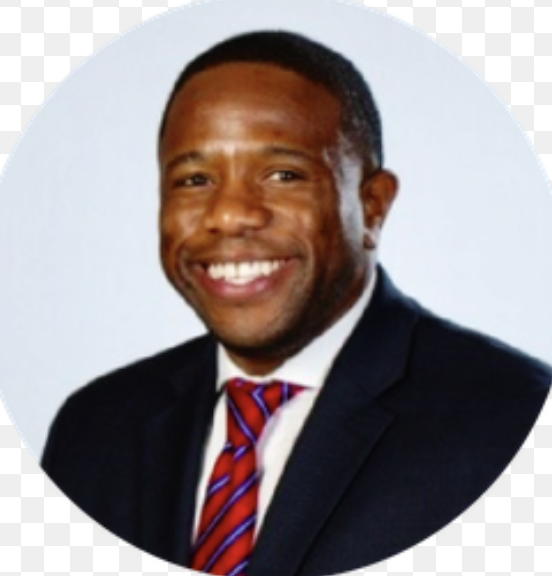
Stanley Onuoha
Thrive Lights
Stanley Onuoha (he/him/his) has 12+ years of business management experience. He has launched 4 private companies including Thrive Lights USA. He leads and serves on boards of community-based organizations advising executives on strategic methods of advancing the community-led design, evaluating impact, and advancing racial equity. He graduated with honors from Morehouse College with a degree in Business Management, Harvard University with a Master’s degree in Education Policy & Management, and is a Certified Fund Raising Executive (CFRE).
-
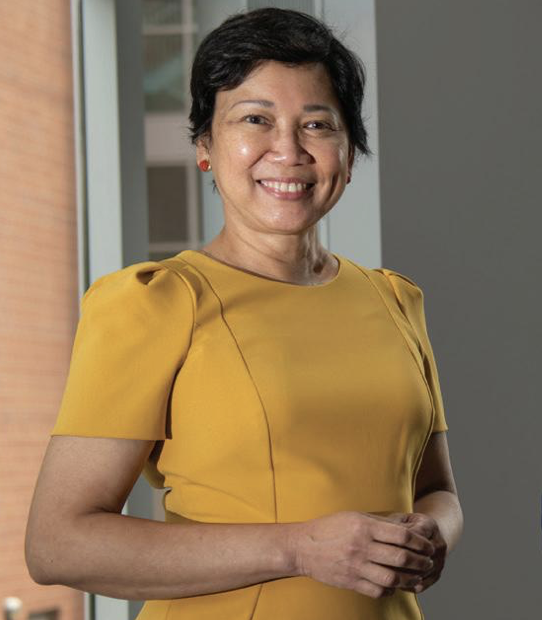
Grace Casaclang-Verzosa
Director, Unbound
Grace Casaclang-Verzosa joined the Unbound board in 2024. She is an accomplished medical doctor and currently works in health care administration. After a career as a practicing cardiologist in the Philippines, Grace became a research fellow at the Mayo Clinic in Minnesota before transitioning to an administrative role in West Virginia, and then in New Jersey.
-
Michelle Smith
Training Ambassador, Greenlight Office, South Africa
Michelle Smith is a passionate advocate for the holistic development of children and young adults. As a life coach, she blends practical techniques with compassionate guidance to help others make the most of their circumstances and discover their own strength.
Firm in her belief that people have the power to shape their own destiny, Michelle empowers her clients to take control of their lives and move with purpose. Her warmth, intuition, and natural people skills make her a trusted guide in times of uncertainty.
What truly captivates Michelle is the potential she sees in children—their curiosity, resilience, and raw honesty. She is deeply committed to helping young people believe in themselves, overcome adversity, and build lives filled with fulfillment and hard-won success. For Michelle, every breakthrough is a victory, and every child a story waiting to be rewritten with courage and hope.
-
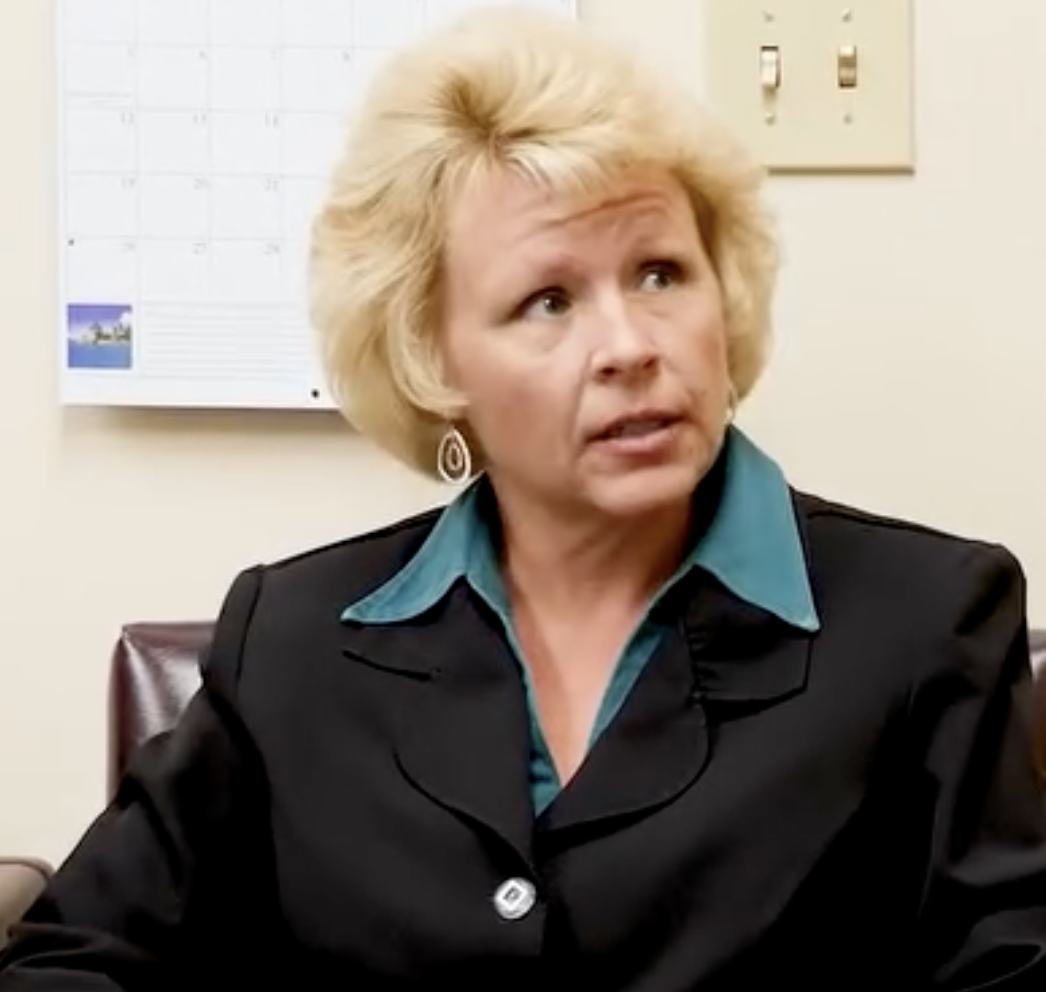
Karen Calhoun
Cabarrus County Department of Human Services
A social worker who discovered families were being separated not because of abuse but because of poverty, and who helped create "Aspire"—achieving an 88% reduction in repeat maltreatment reports by letting families define their own stability.
-
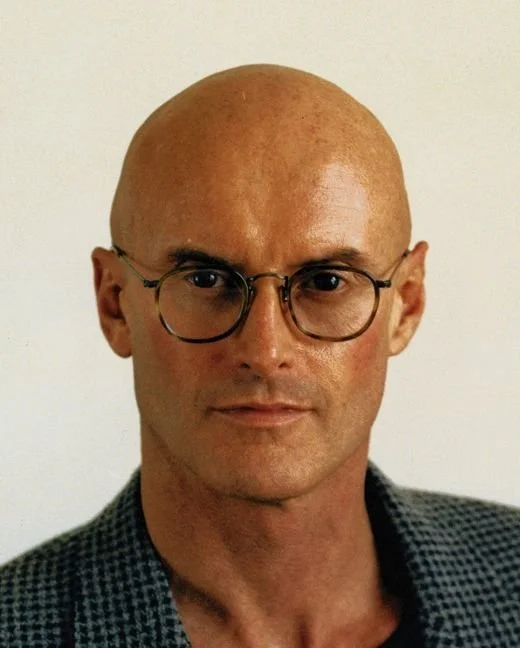
Ken Wilber
Integral Philosopher
Ken Wilber, a visionary thinker of inspired genius, is the developer of an integral “theory of everything” that embraces the truths of all the world’s great spiritual, scientific, and philosophical traditions. He is the most widely translated academic writer in America, with 25 books translated into some 30 foreign languages.
The thinker whose integral theory provided the philosophical framework for understanding poverty as both subjective and objective reality, and whose insight that "we are all poor" reframed the entire conversation.
-
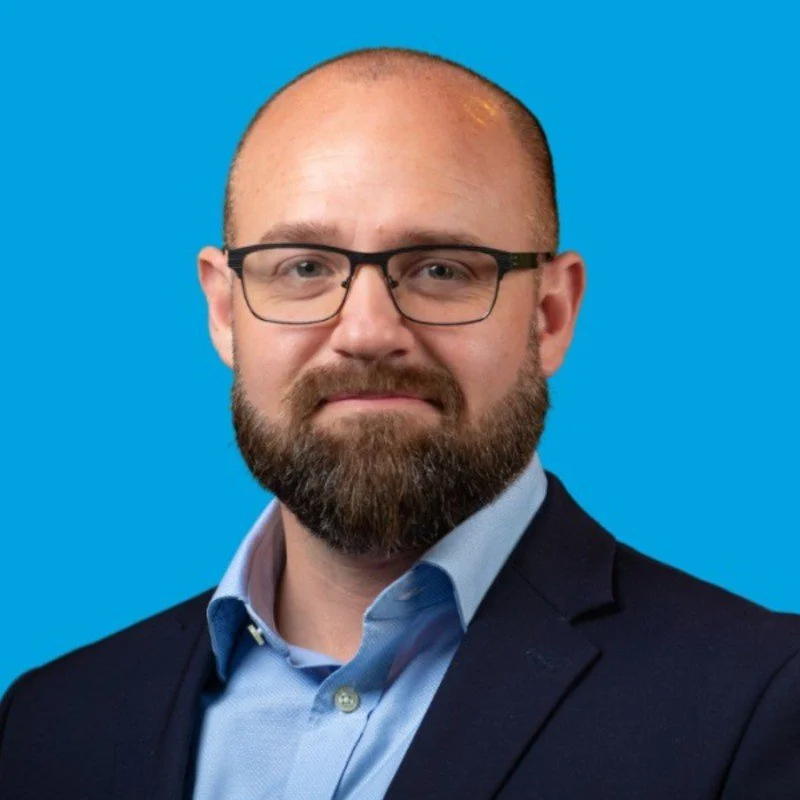
Eli Embleton
Zachry Corporation "Dream Manager"
A business leader who discovered that construction workers' dreams matter as much as their productivity, proving that employee retention isn't about paychecks but about dignity and achieving increased retention through empowerment.
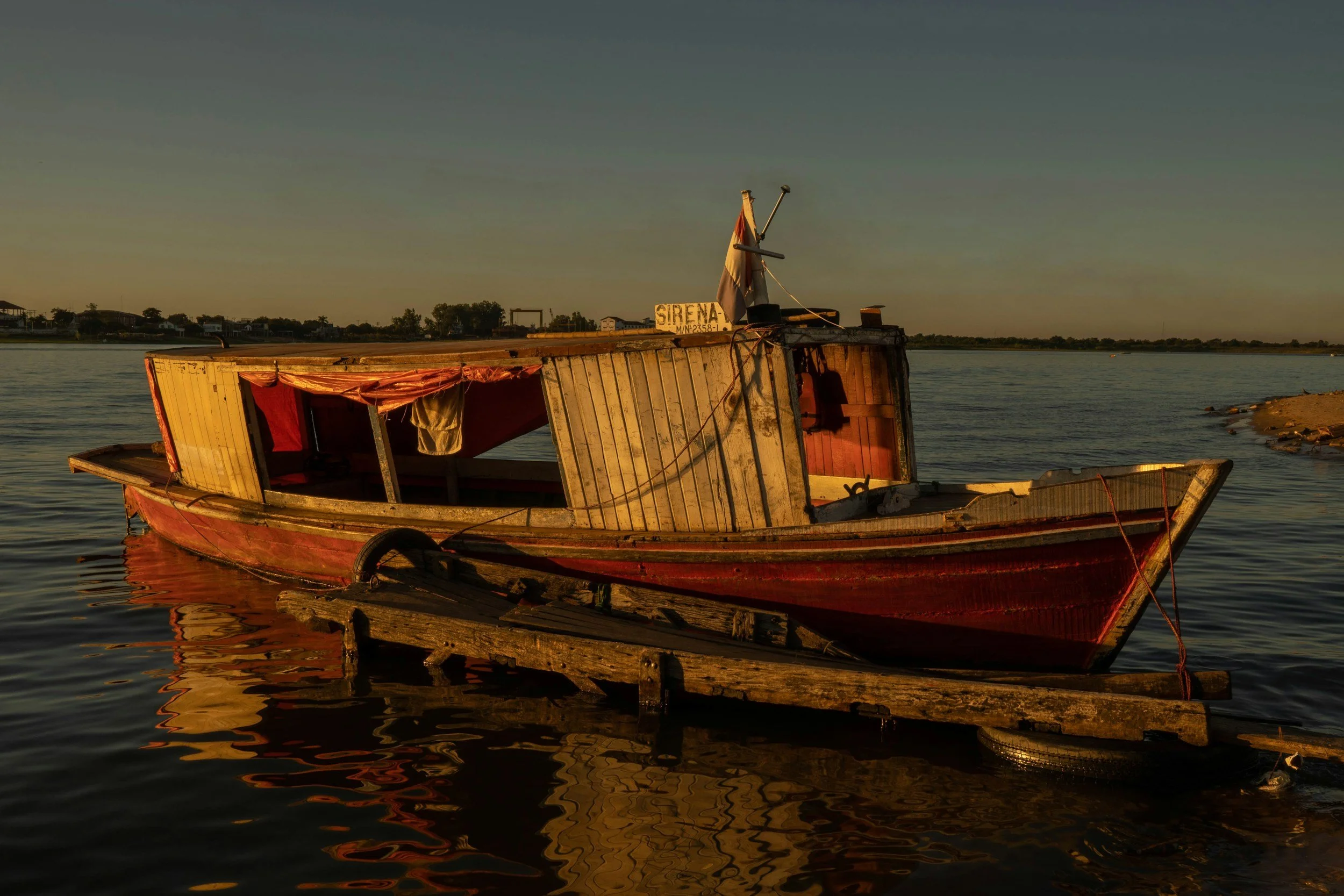

Made by an Award-Winning Team
OF INTERNATIONAL PRODUCERS
Meet the Team
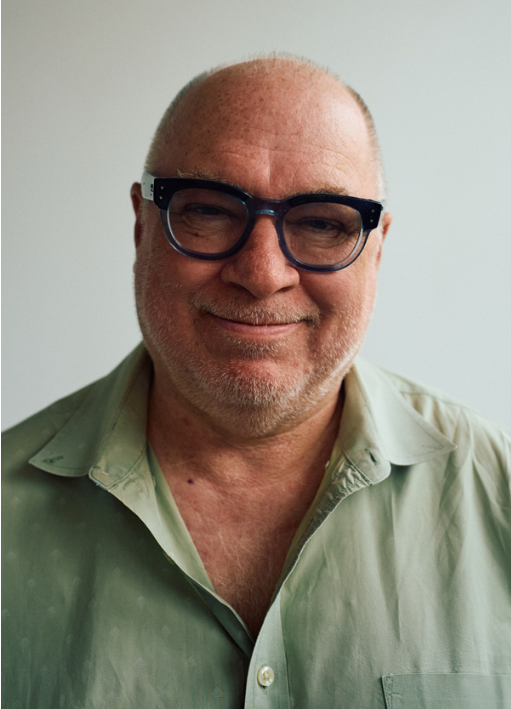
Bill Cody, producer-director, has been making films in many capacities for 40 years. He started as an assistant to writer- director John Milius, (Apocalypse Now, Red Dawn) and producer Buzz Feithshans in his twenties. Made the seminal documentary Athens, GA/ Inside Out with his friend Tony Gayton in 1986, and then wrote, produced Slave To The Underground, which played theatrically worldwide as well as in competition at Sundance and Berlin, wrote for the Disney Channel and has completed four other documentaries since 2000.
Bill Cody
Director | Writer | Producer
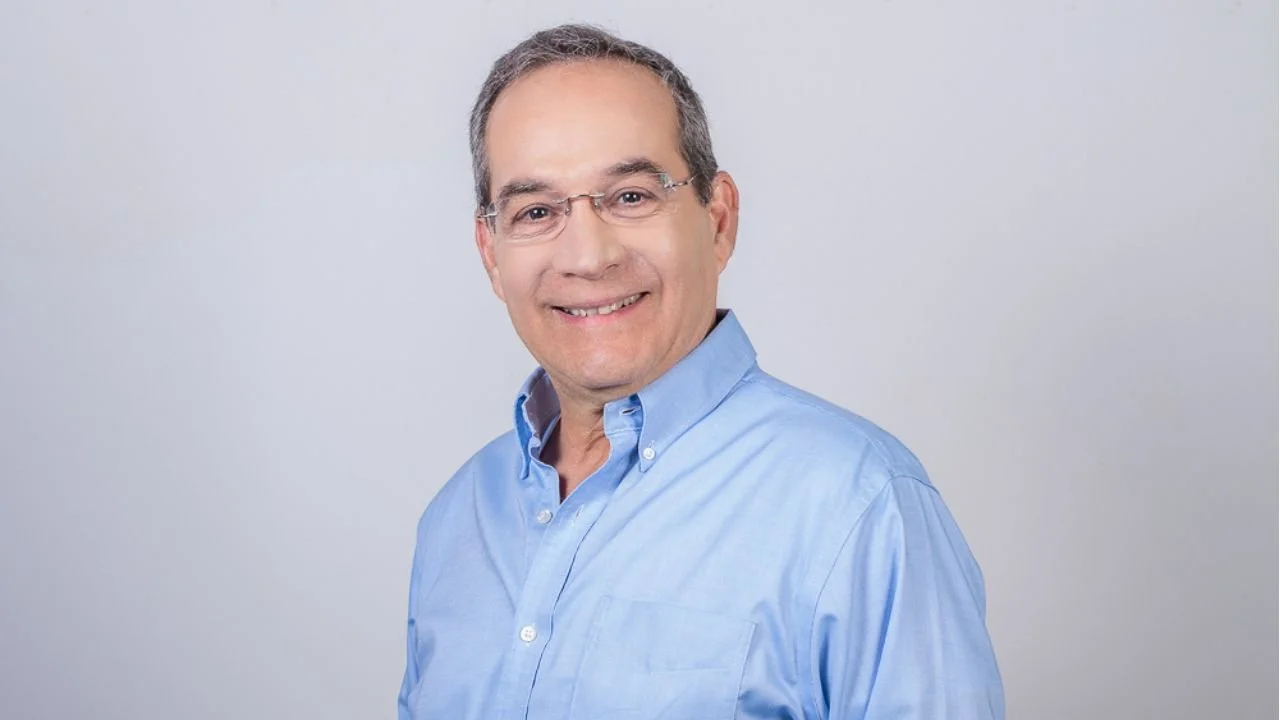
Martín Burt Executive Producer | Main Cast
Dr. Martín Burt is a globally recognized social entrepreneur and founder of Fundación Paraguaya, a leading development organization active on five continents. He has created innovative tools to fight poverty, including the Poverty Stoplight, and has served in key public roles such as Mayor of Asunción and Chief of Staff to the President of Paraguay. He sits on the boards of the Schwab Foundation and Teach a Man to Fish, and advises the Global FoodBanking Network. A prolific author, his latest book Who Owns Poverty? was published in 2019. Dr. Burt holds a PhD from Tulane and teaches at Worcester Polytechnic Institute, UC Irvine, and Universidad de Alcalá.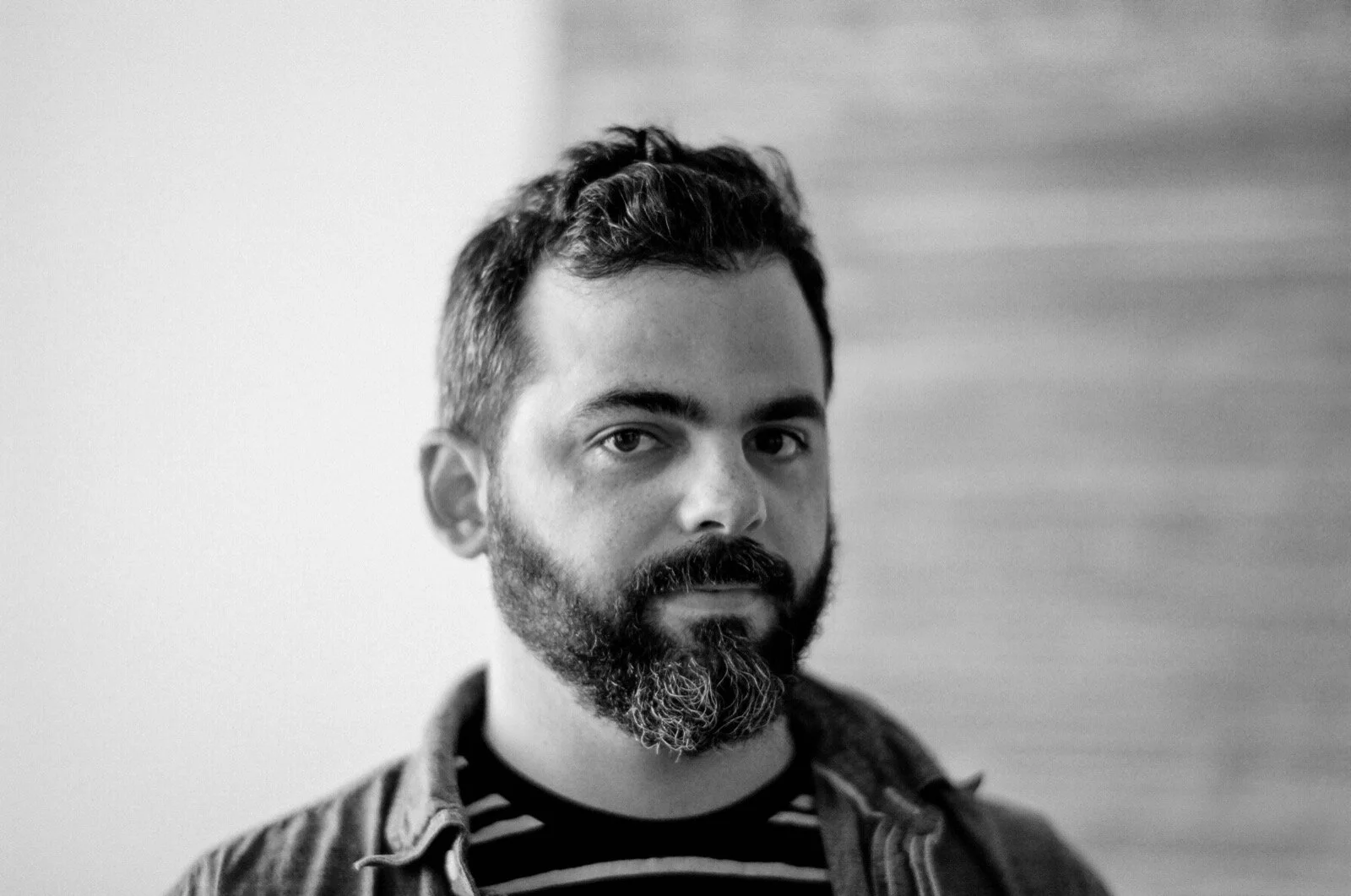
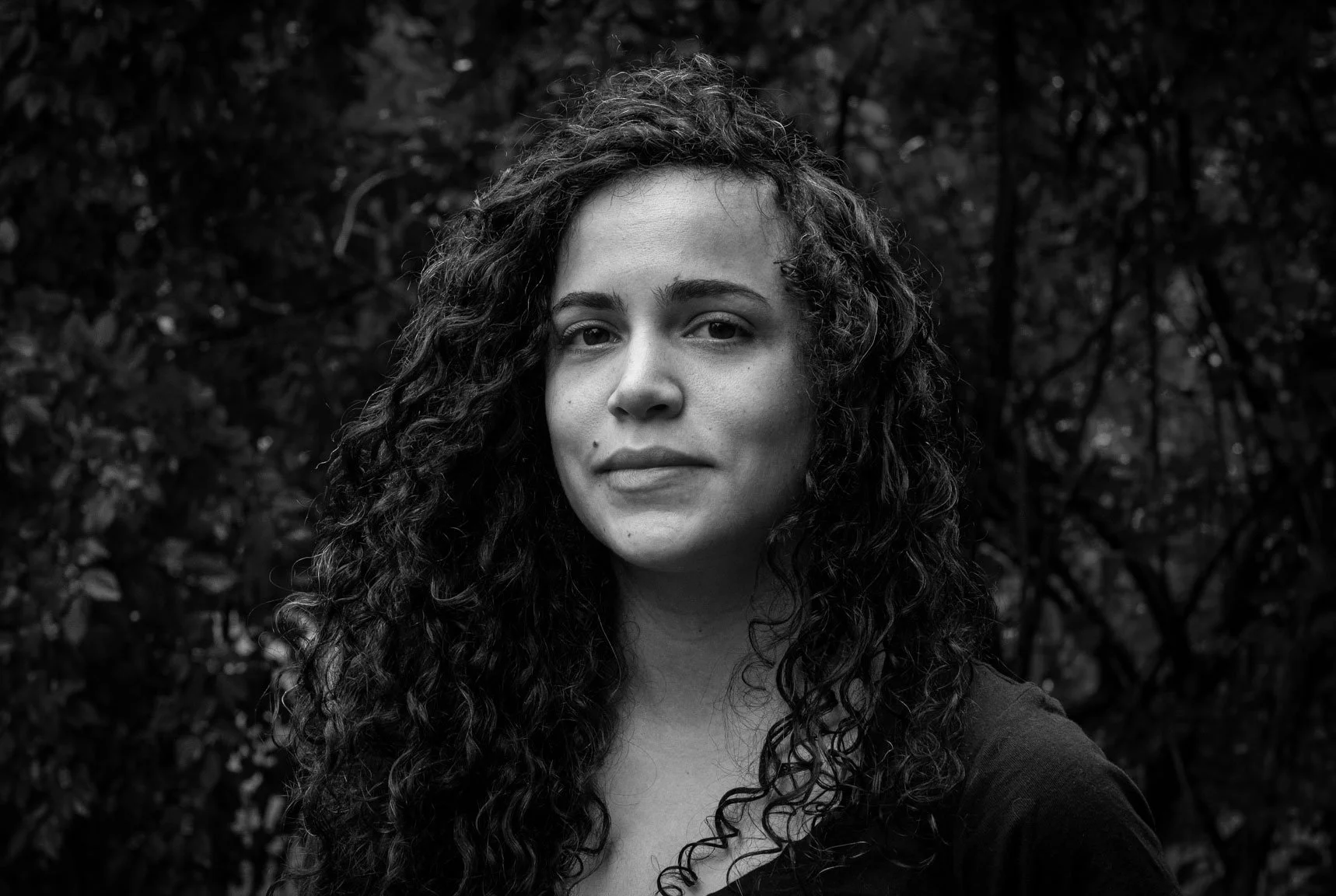
Wendy and Guillermo both immigrated from the Dominican Republic at different points in their lives.Wendy, a first- generation student, obtained her Ph.D. from Columbia University. She’s also an Andrew W. Mellon and Woodrow Wilson Citizens and Scholars fellowship alumni for her work as a researcher and educator. Guillermo graduated with an M.F.A. in directing at the prestigious Catalonia’s Escola Superior de Audiovisuals. Their work as producers throughout Latin America and the U.S. has received the support of the Sundance Film Institute, ITVS, Film Independent, Chicken & Egg, the Ford Foundation’s JustFilms, and the Tribeca Film Institute, traveling worldwide from Cannes, True/False, Visions du Réel, Guadalajara, and the Atlanta Film Festival, to NOLA, BAFICI, DOC NYC, BFI Flare, and Camden International Film Festival. Michelle Rojas is not Okay (2023), their first podcast show as creators, directors, producers, and writers, starring Dascha Polanco and The Kid Mero, was picked up by Broadway Video and Audible.Wendy Muñiz
Producer | Writer
Guillermo Zouain
Producer
Thank you!
CONTACT US:
wendy@thelightroom-ath.com guillermo@thelightroom-ath.com
Owning Poverty Pitch Deck | Please do not Circulate 2025