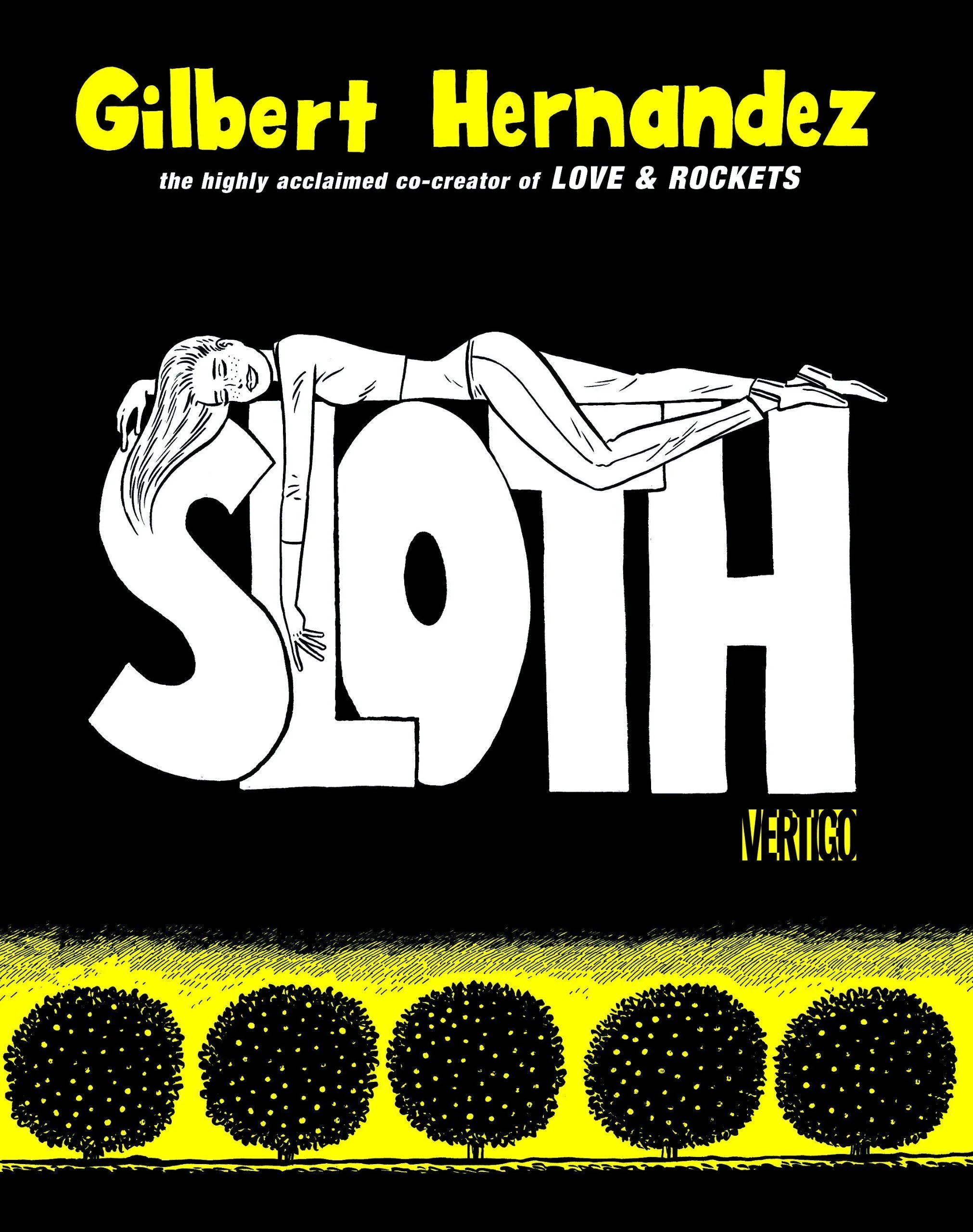
Sloth is a feature-length psychological horror film based on the acclaimed graphic novel by Gilbert Hernandez, one of the co-creators of Love and Rockets and a work he considers among his most treasured.
Set in a small American town and inspired by the surreal terror of Mulholland Drive and the nightmare logic of Silent Hill, we explore the crossroads where trauma meets the supernatural.
INTRODUCTION
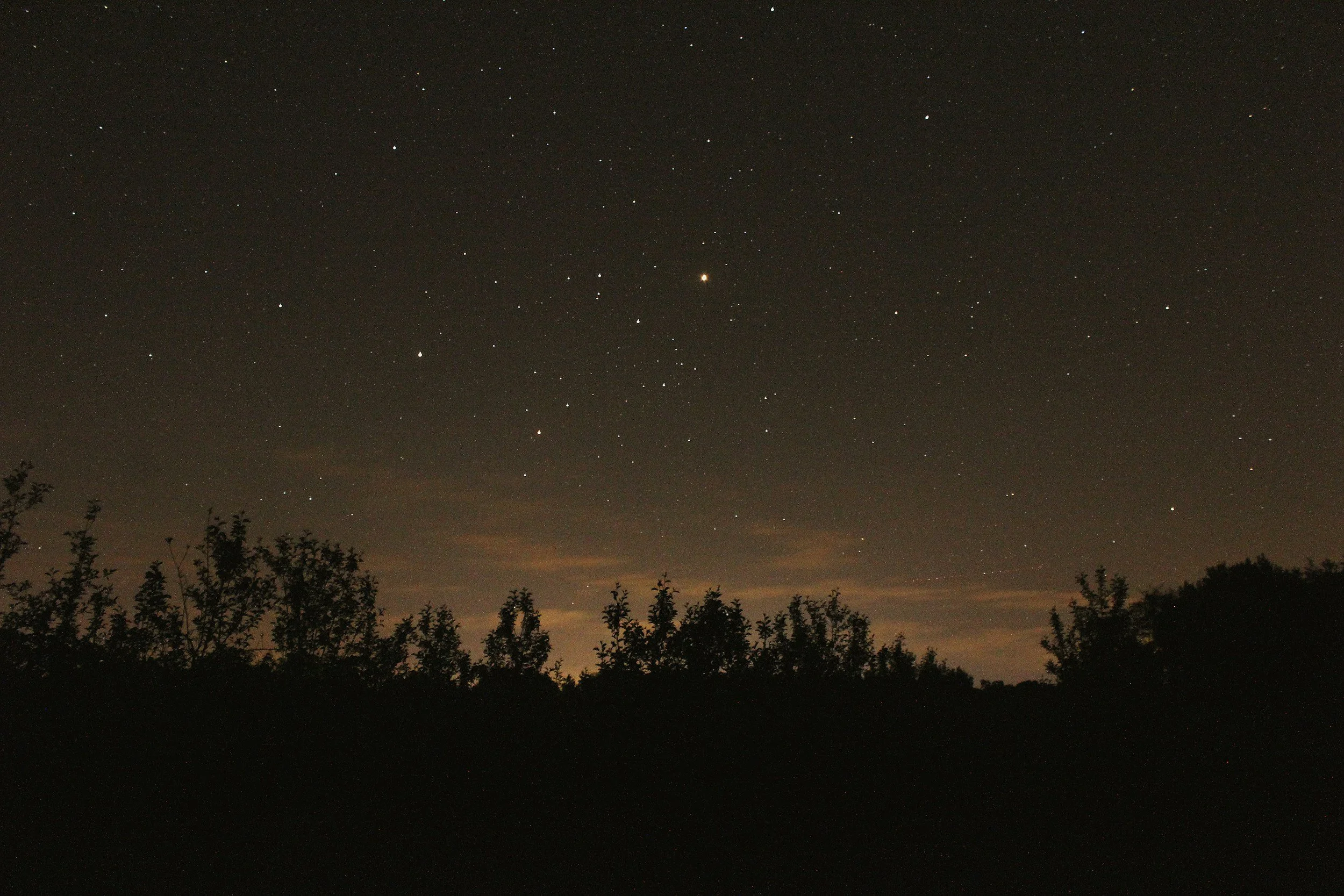
A vast night sky filled with falling peaches, their white dots scattered against darkness, while three small figures stand beneath towering orchard trees, dwarfed by the surreal spectacle above.
The feeling of dread as Miguel awakens from his year-long coma... the helpless terror that consumes Lita as she watches reality fragment around her... the crackling atmosphere of a peach orchard where ancient evil feeds... the horror of a small town where teenagers would rather slip into darkness than face another day...
Emotional, cinematic, and rooted in character, Sloth is a love letter to elevated horror — a marriage of psychological drama and supernatural terror.
The "GOATMAN" Legend
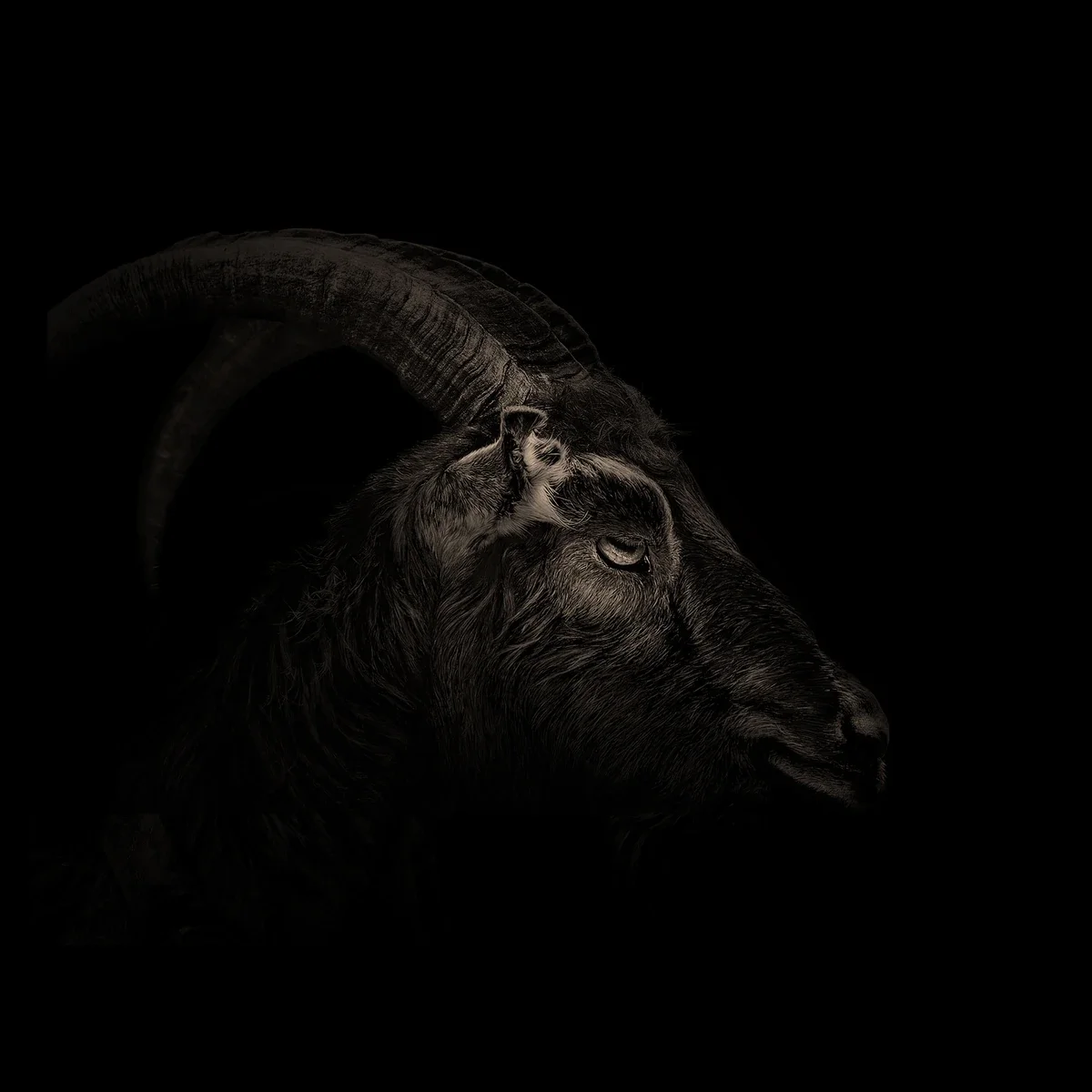
Everyone loves a good local legend. We've seen the most well-known: Bigfoot, Mothman, and the Jersey Devil, sensationalized in film and television many times before. But the Goatman, one of the most terrifying entities in American folklore, remains largely untapped.
The Goatman is not just a monster — it's a manifestation of collective trauma. Like the Japanese Baku who devours nightmares, the Goatman feeds on memory and identity. But its hunger is vast and indiscriminate.
The Orchard Entrance
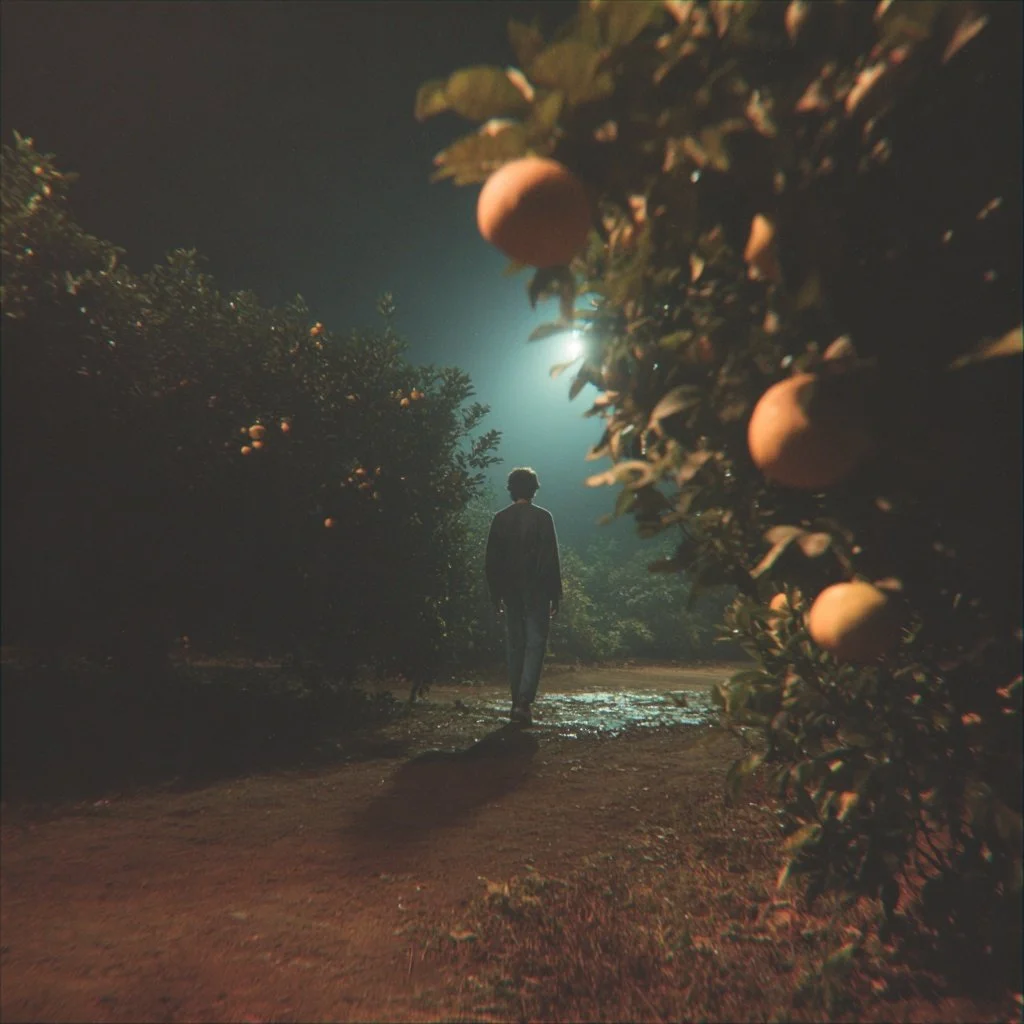
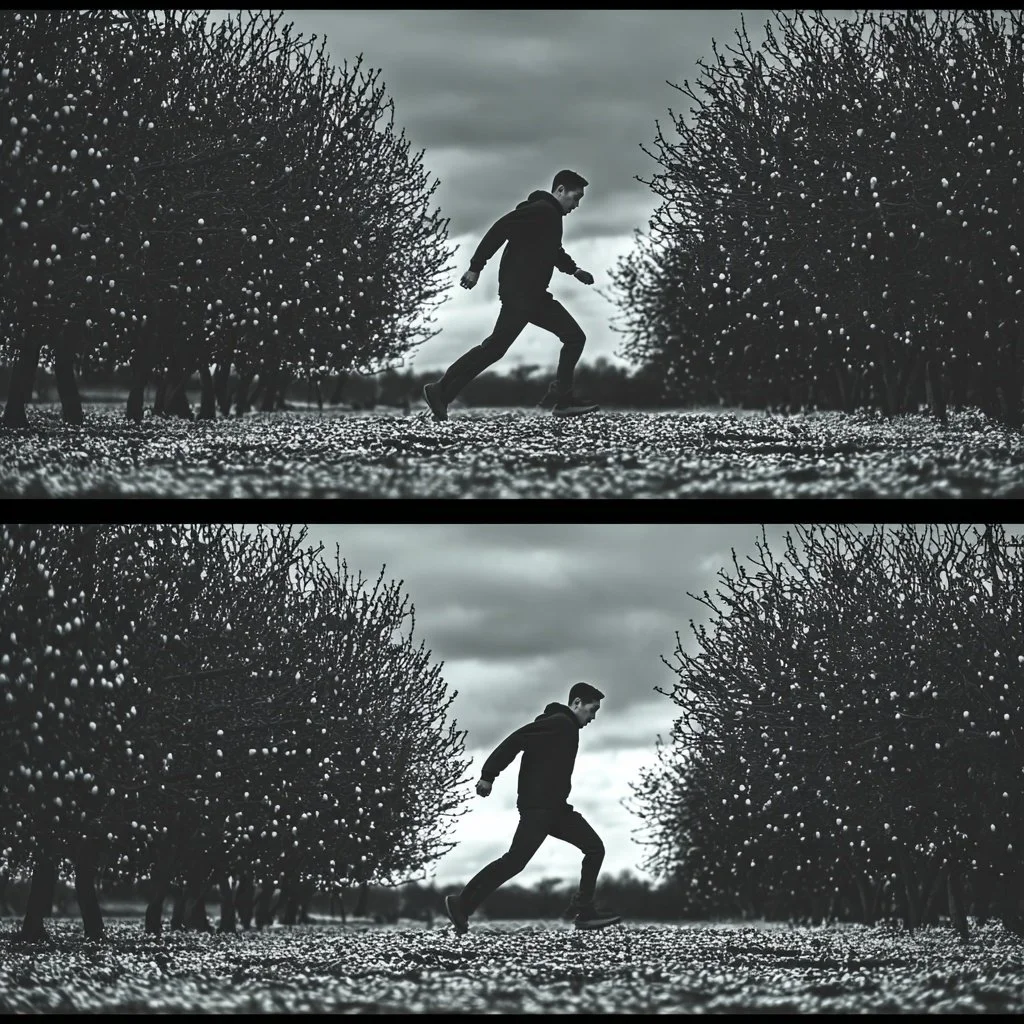
A single dirt path stretches between towering peach trees heavy with white fruit. The perspective draws the eye into darkness, suggesting infinite depth and ancient secrets buried in the grove.
For generations, the old peach orchard has been a place of violence and sacrifice. Hundreds of people were killed there, whether in ritual, accident, or deliberate cruelty. Their unresolved pain and broken dreams seeped into the land. The Goatman is their manifestation: a collective specter of forgotten voices, feeding on memory because memory is all they have left.
The Goatman doesn't merely trap its victims. It folds them into a nightmare stage where reality bends, familiar faces become broken puppets, and the only escape is to follow three simple rules... if you can remember them.
THE STORY
Based on Gilbert Hernandez's acclaimed graphic novel…
Sloth capitalizes on the story's most compelling structural elements: the reality vs. nightmare realm dynamic, the immersive nightmare world itself, and a devastating Mulholland Drive-style reveal that recontextualizes everything that came before - culminating in a chilling ending that questions the nature of reality itself.





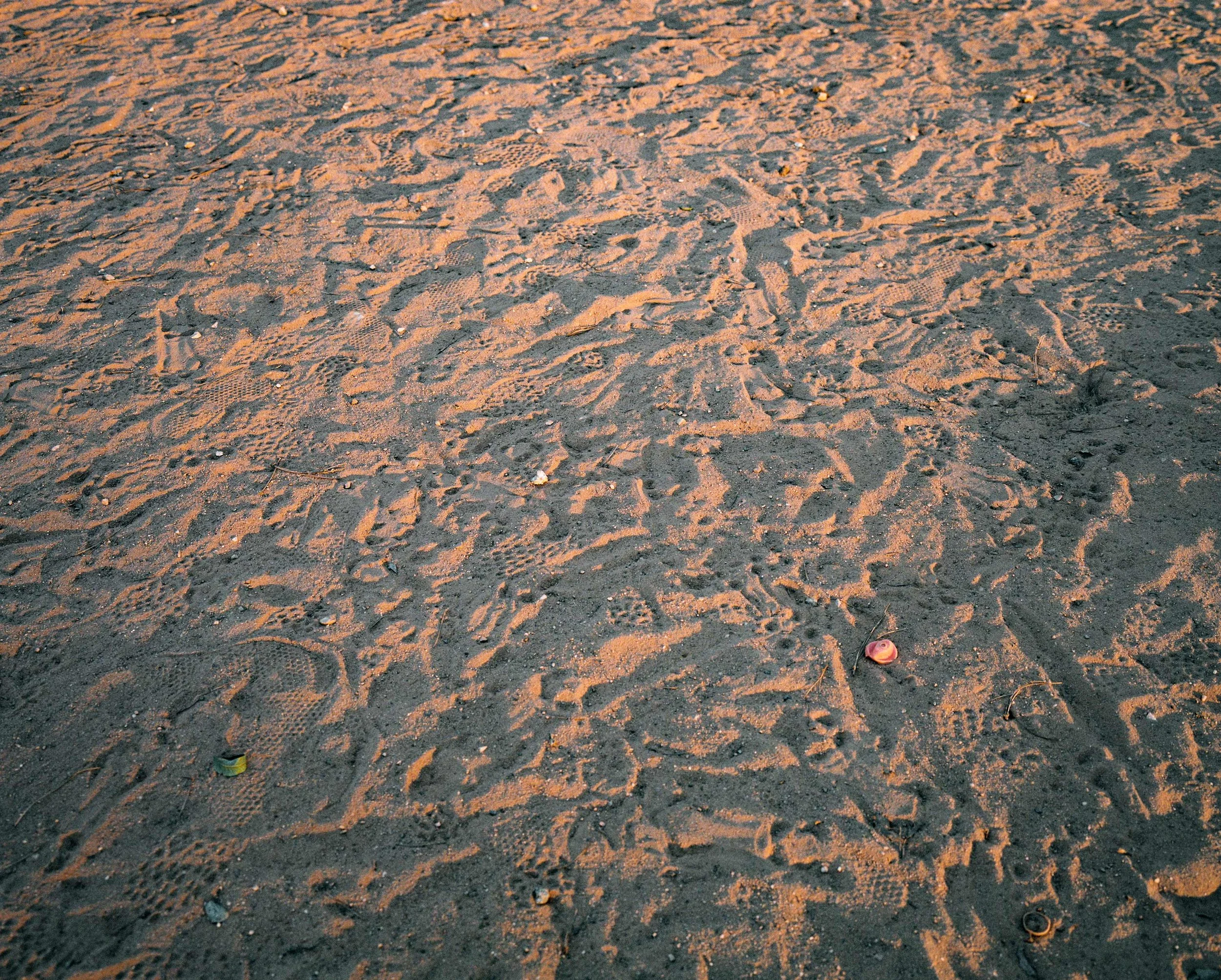
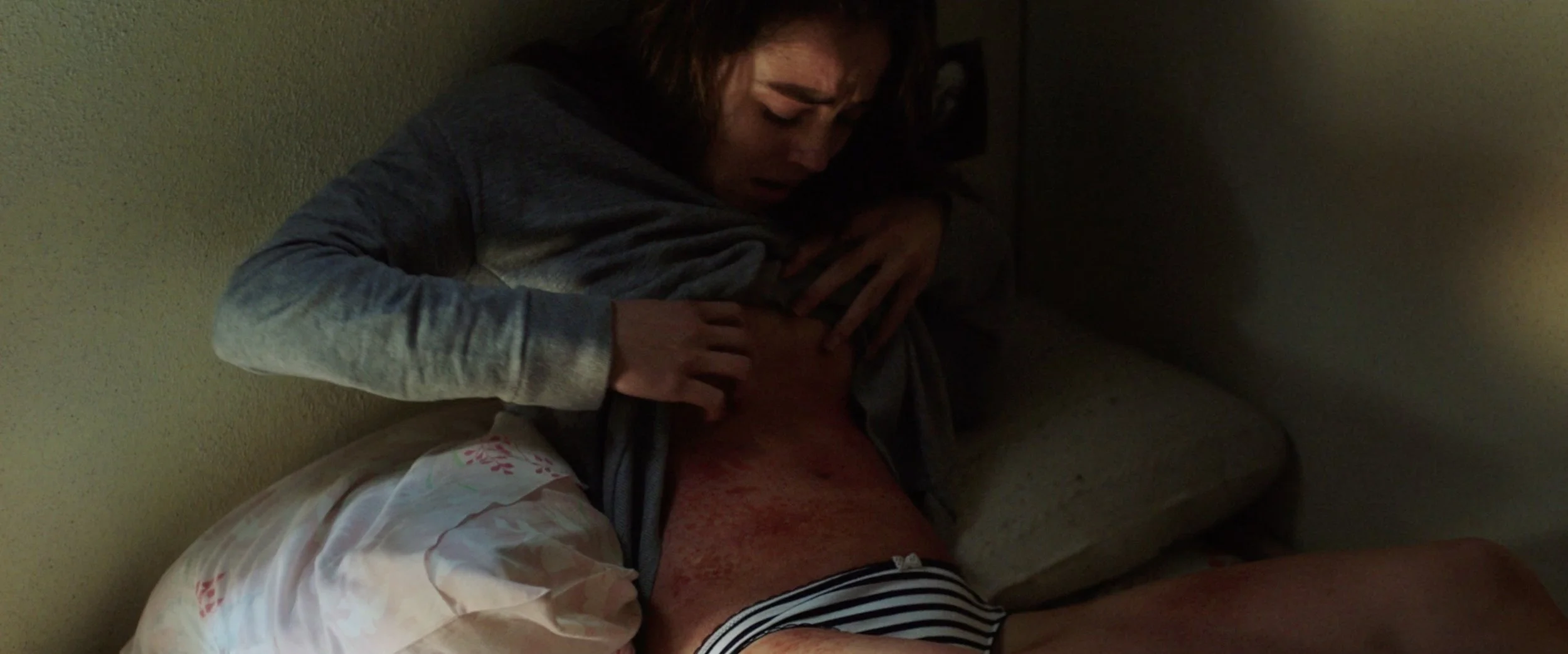
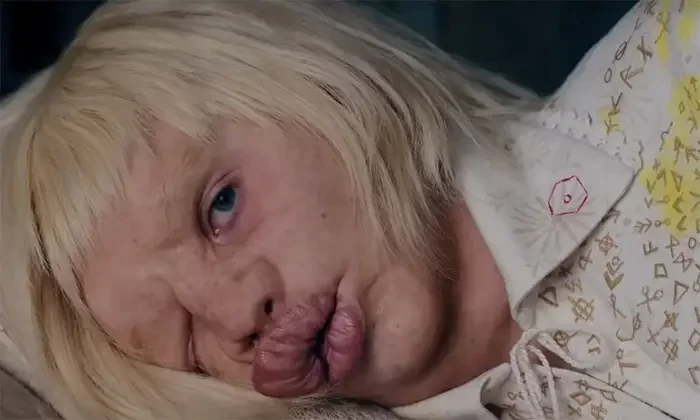
NIGHTMARES VS. REALITY
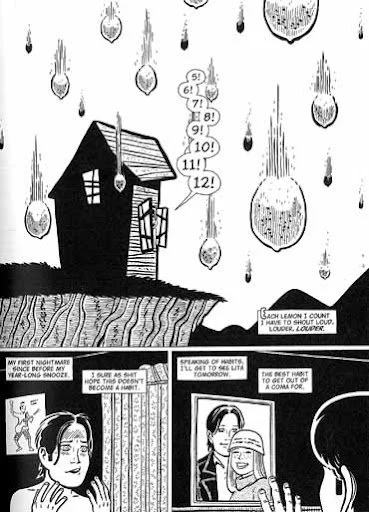
The film operates on two distinct planes. What appears to be Miguel's post-coma recovery is actually his entrapment in the Goatman's nightmare realm - a twisted mirror of reality where peaches fall from empty skies and familiar faces become broken mannequins. The audience experiences this false reality alongside Miguel until the shocking transition to Lita's perspective reveals the truth.
THE NIGHTMARE REALM
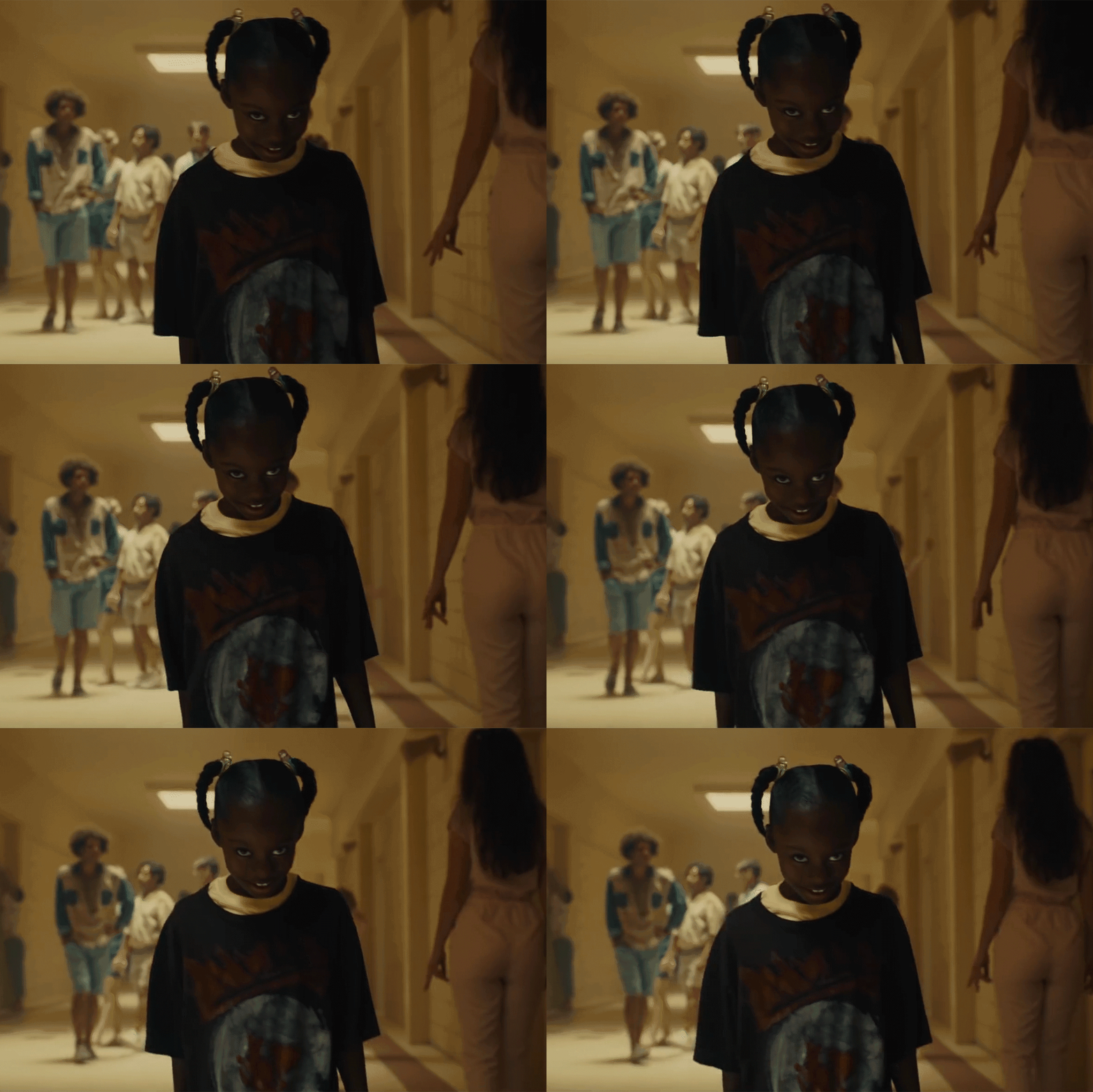
An atmospheric otherworld that mimics small-town America but grows increasingly distorted. Teachers glitch and repeat phrases, friends' faces blur when observed directly, and the very fabric of reality becomes unreliable. This realm feeds on memory and trauma, making each victim's experience uniquely horrifying.
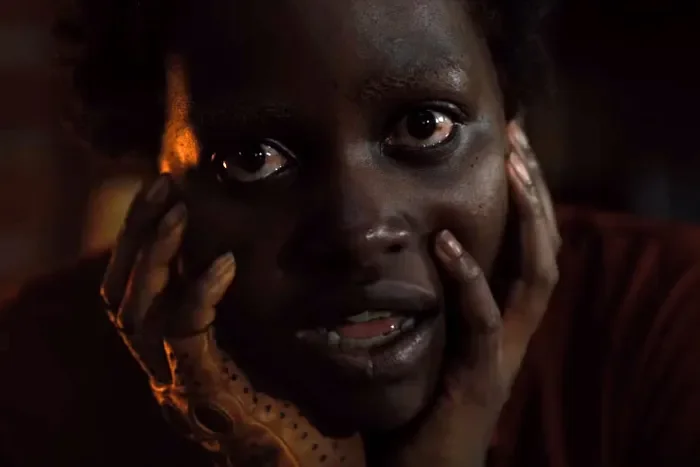
LITA’S DREAM
At the film's midpoint, the narrative perspective suddenly shifts from Miguel to Lita without explanation - a jarring transition that forces audiences to question everything they've seen. This isn't stylistic experimentation; it's the moment the Goatman claims Miguel and turns its attention to Lita.
FINAL AWAKENING
The film concludes with Lita's apparent escape to "true" reality, where she encounters Miguel for the first time. Their inexplicable recognition suggests deeper connections across realities, but the film leaves audiences questioning whether this final awakening is genuine or another layer of the nightmare.
THE STRUCTURE
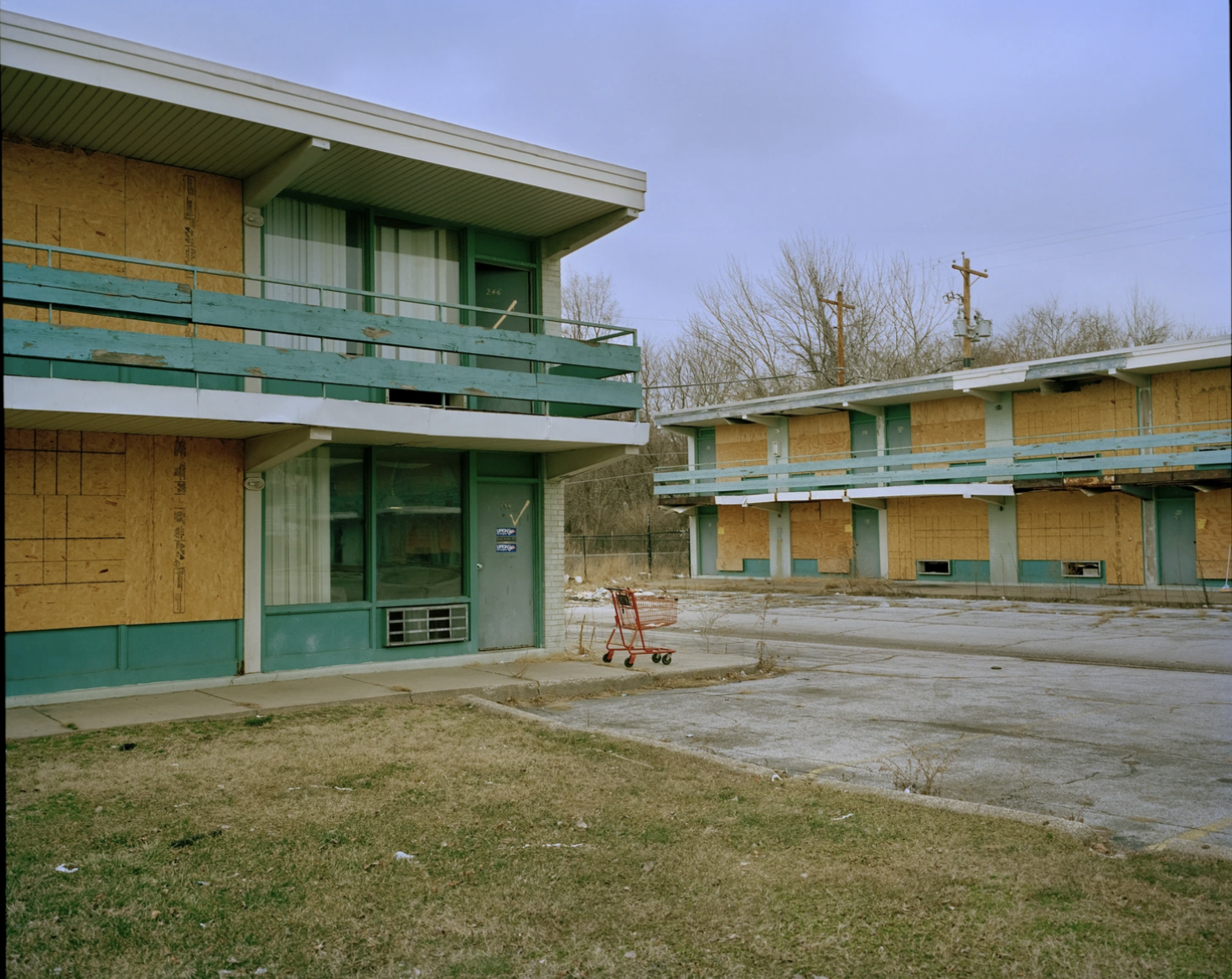
We begin with Miguel…
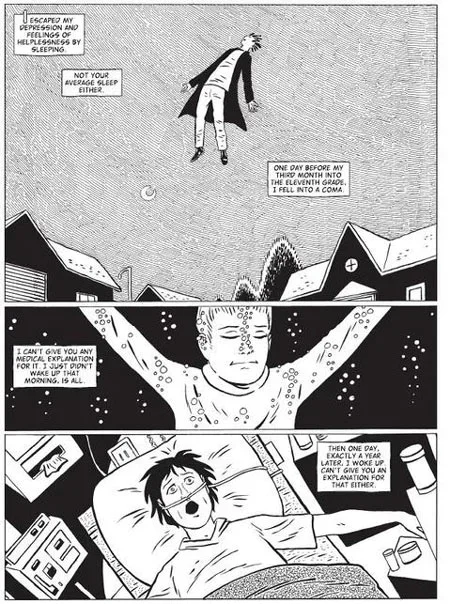
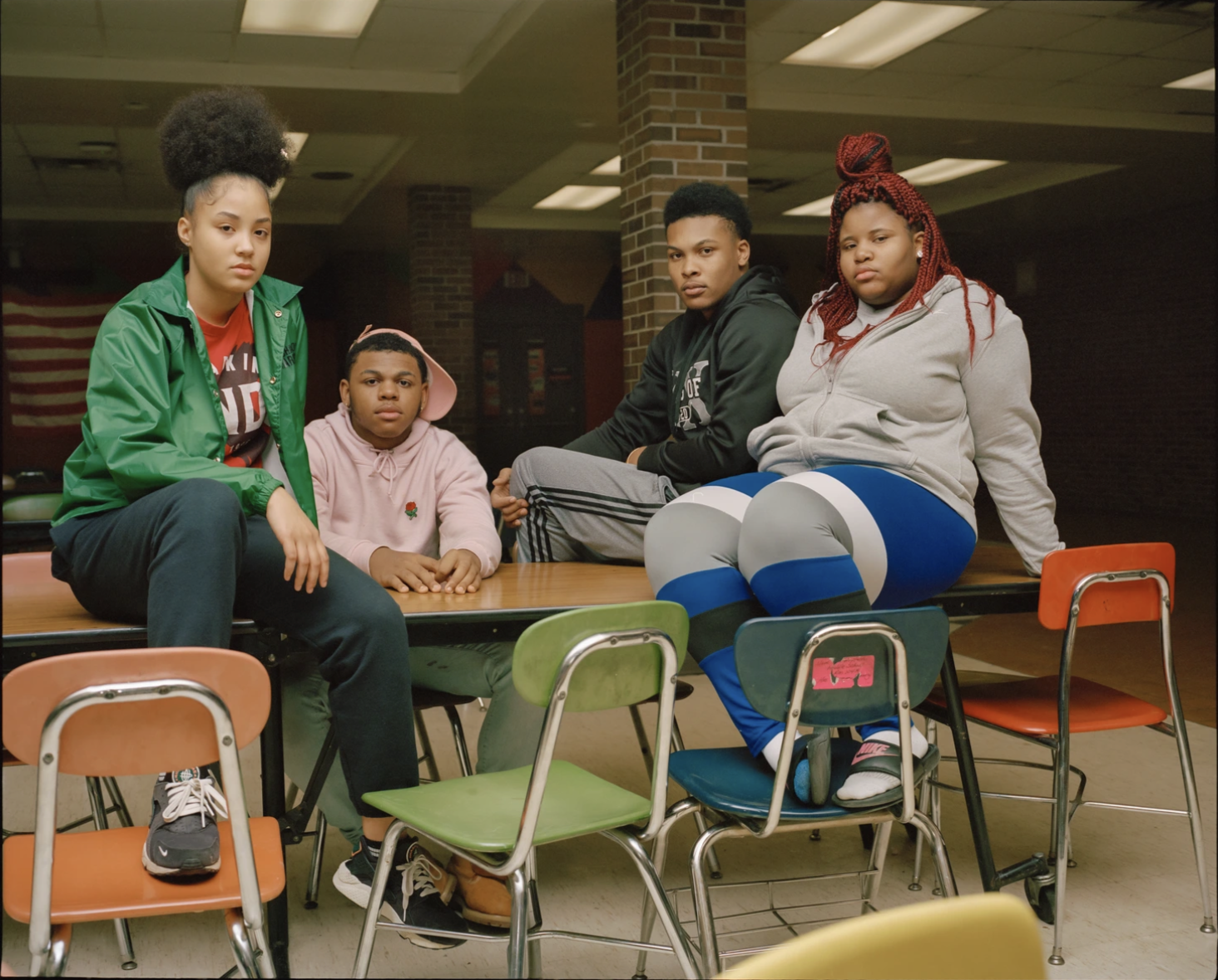
a depressed teenager who awakens from a year-long self-induced coma. Nothing has changed during his absence — same girlfriend, same band, same suffocating small town. But Miguel moves through the world at an unnaturally slow pace, disconnected from reality.

THE DREAM SEQUENCES
Miguel floats through stark white voids as peaches rain around him, his body suspended in weightless terror. These aren't peaceful dreams but premonitions, warnings of the orchard's pull.
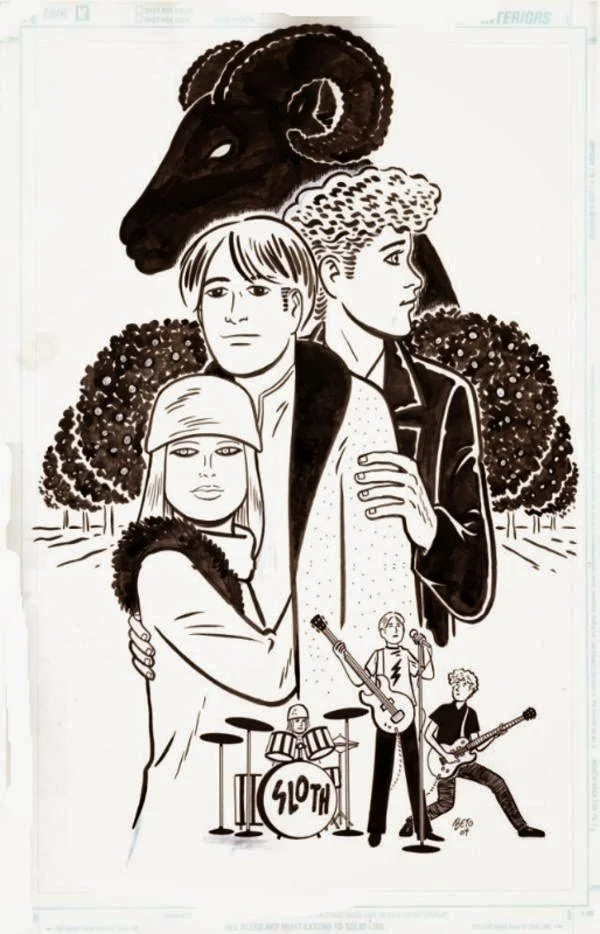
During band practice with girlfriend Lita and friend Romeo, Miguel mentions his recurring dreams of peaches falling from the sky. When Lita — an urban legends enthusiast — casually mentions the Goatman and the haunted peach orchard, something clicks for Miguel. They venture into the orchard that night.
In the orchard, they encounter a mysterious teenager who warns them about the Goatman's rules: HOLD ONTO A NAME, CARRY AN ANCHOR, WAKE UP ANOTHER DREAMER. But Miguel, already fragmented by trauma, struggles to follow them.
REALITY BREAKDOWN
As the nightmare begins, we see Miguel floating through impossible spaces while teachers and friends transform into distorted echoes of themselves. The visual language shifts from grounded reality to surreal terror.
As reality begins to distort around him — teachers blur and twitch, friends repeat single lines, the world itself starts glitching — Miguel desperately calls out Lita's name while clutching the gift she gave him. But it's not enough. The Goatman consumes him, and as Miguel fades, his repeated whispers of "Lita, Lita, Lita" inadvertently guide the entity toward her.
THE MOMENT
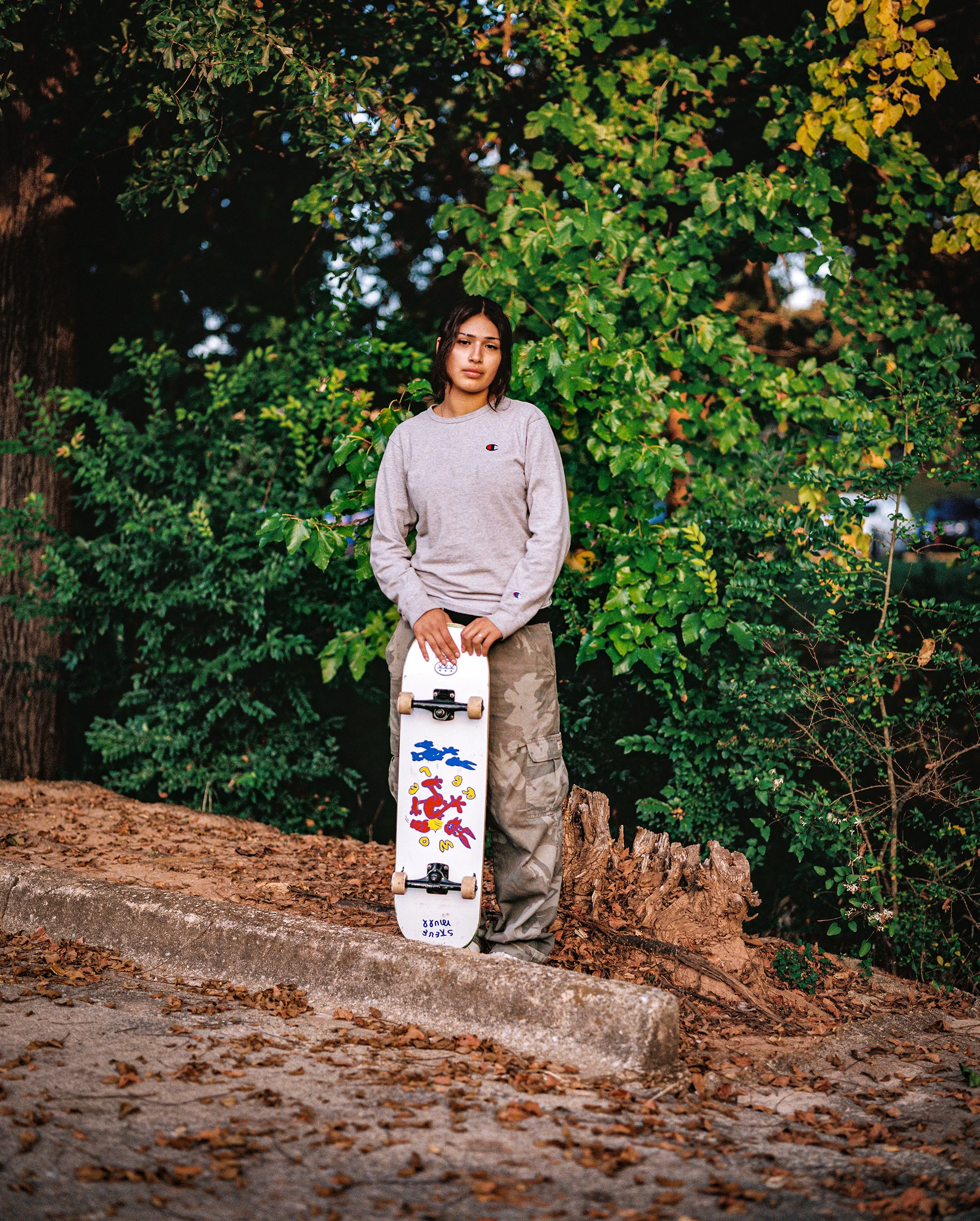
The narrative suddenly shifts to Lita without explanation - a jarring transition that forces audiences to question everything they've seen.
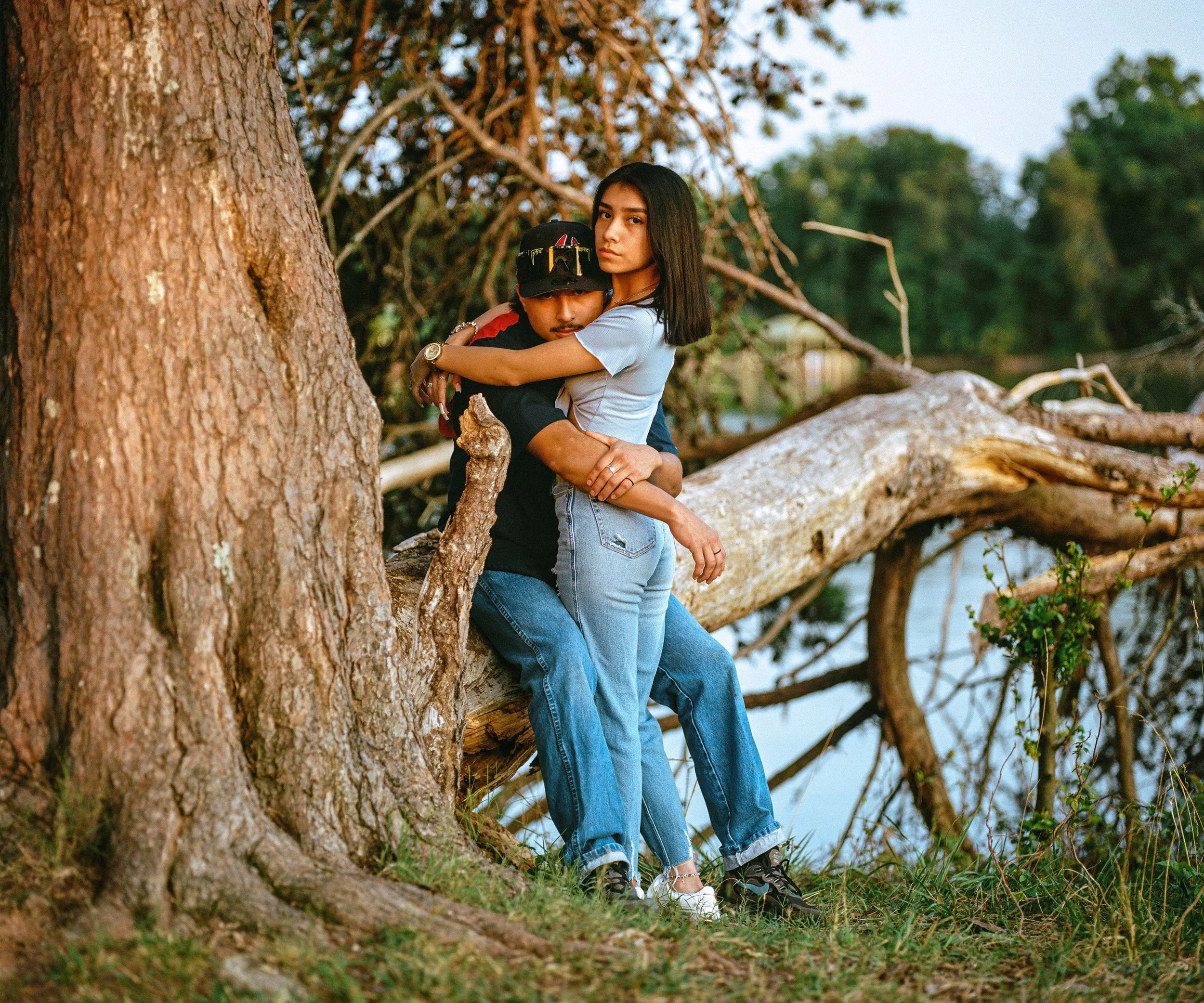
Lita finds herself in an idealized reality where everything comes easily. But as an urban legends expert, she recognizes the distortions. Armed with knowledge of the rules and guided by echoes Miguel left behind, she fights back against the Goatman's cunning predation.
In a shocking revelation, the mysterious teenager is revealed to be Lita's mother, and she knows that Miguel's mother was murdered by his father, explaining his deep trauma and vulnerability to the Goatman's influence.
THE ESCAPE
Lita's fight for freedom plays out across impossible landscapes where logic fails and only willpower and memory serve as anchors to reality.
Lita manages to escape the nightmare realm, awakening in what appears to be reality for the first time in the film. She encounters Miguel on the street — they've never actually met — but their recognition is immediate and inexplicable, suggesting they're destined to find each other across realities.
TONE AND STYLE
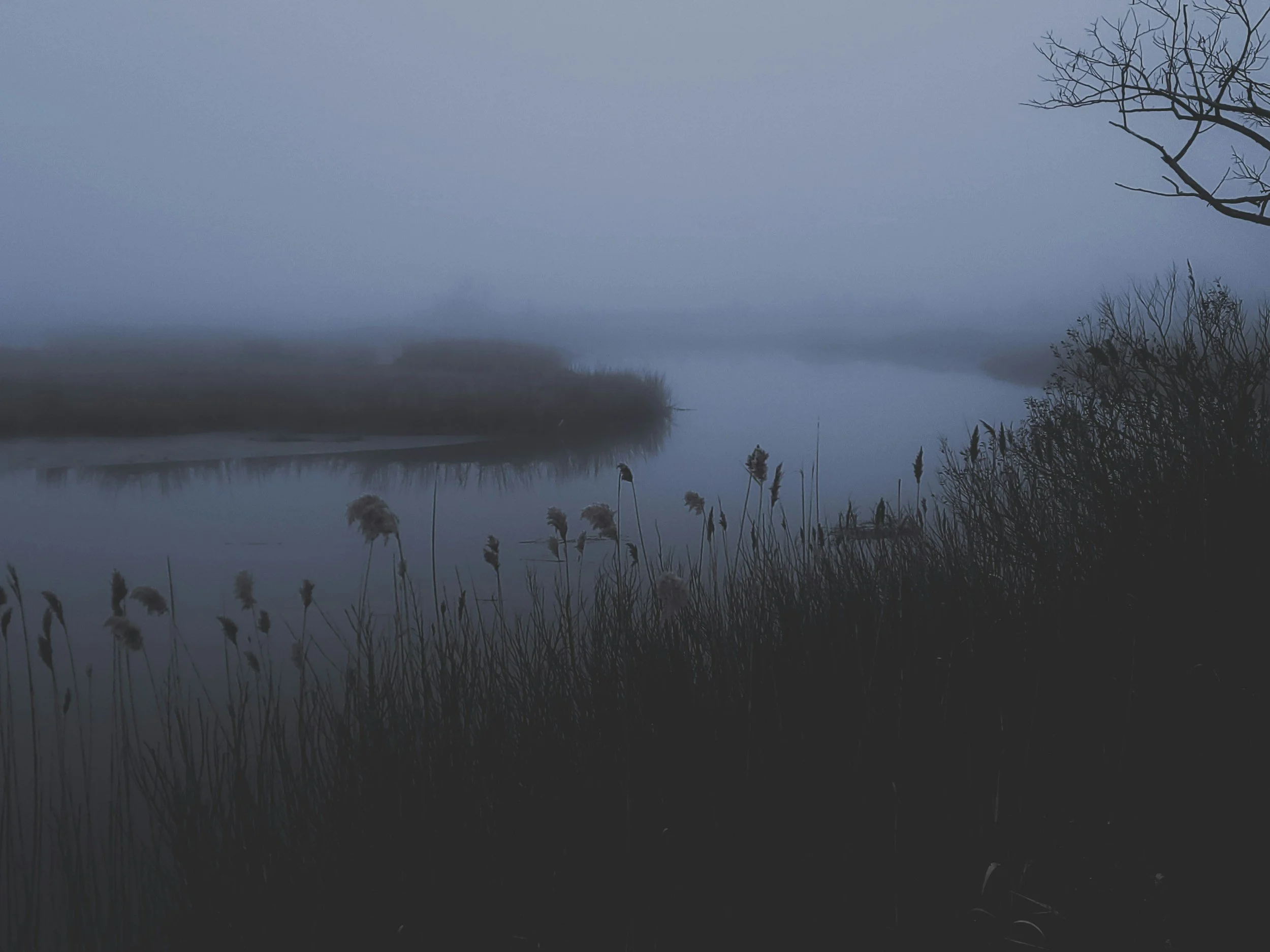
The visual style will be atmospheric, unsettling, and cinematic. The cinematography will be moody and constantly shifting; the pacing will be deliberately disorienting.
Since Sloth deals with the blurred line between dreams and reality, the film will feature surreal imagery and practical effects. Peaches falling from empty skies, faces that shift when you're not looking directly at them, familiar locations that lead to impossible rooms.
The soundtrack will blend contemporary and timeless elements. Original compositions will create an eerie, modern atmosphere inspired by the work of composers like Disasterpeace (It Follows) and Ben Frost, punctuated by distorted fragments of recognizable songs bleeding through from the "real" world.
THE HORROR
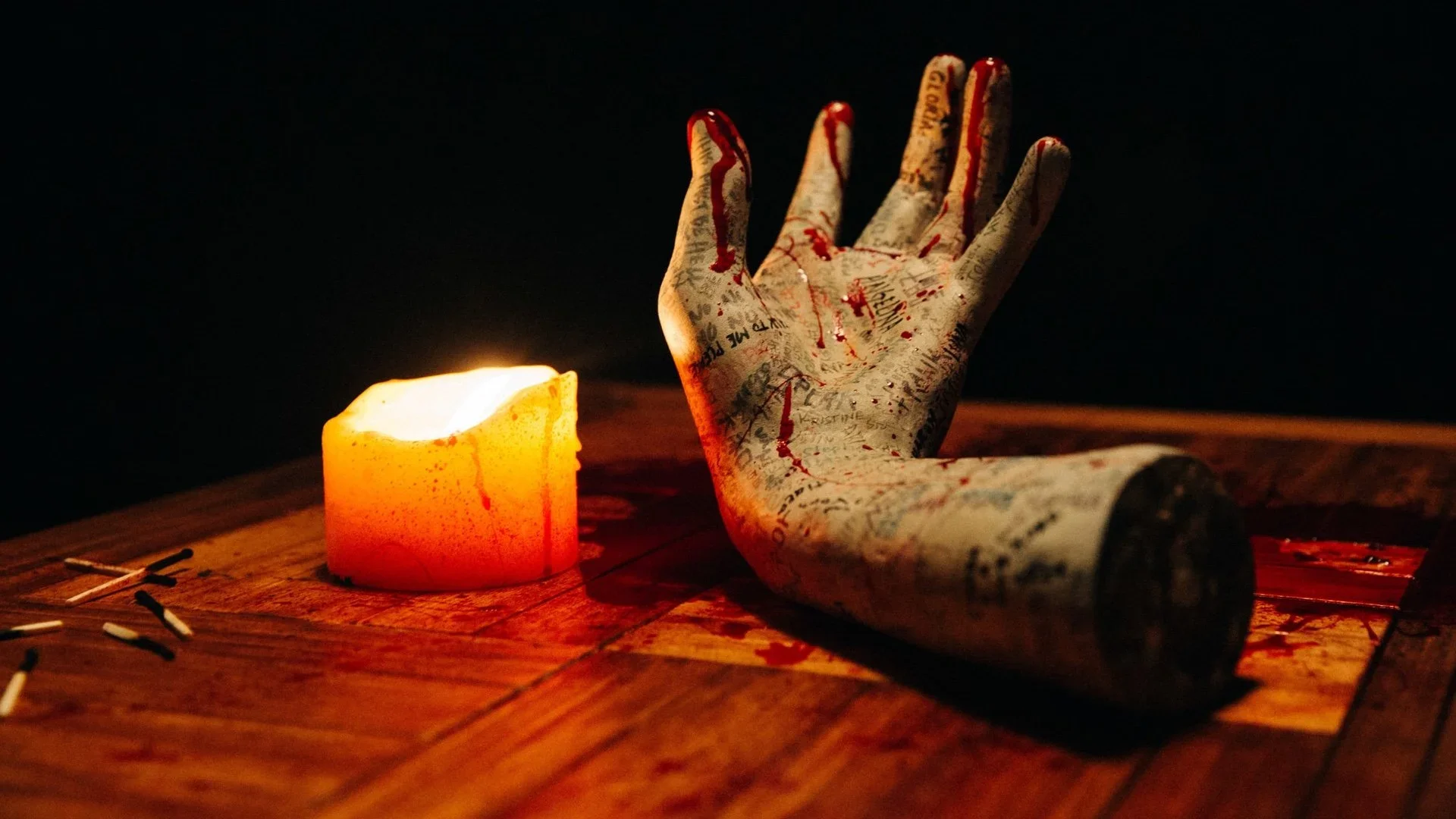
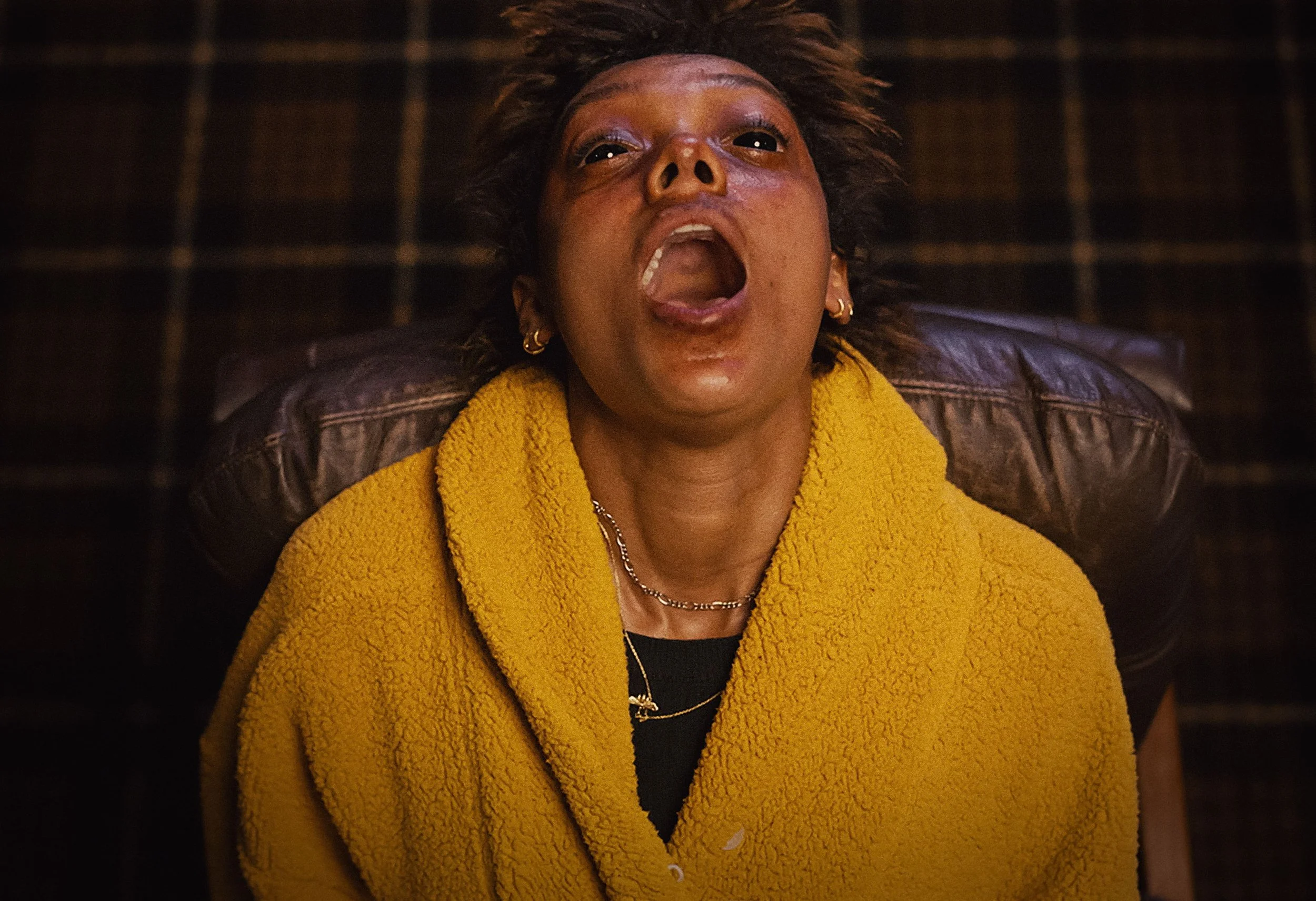
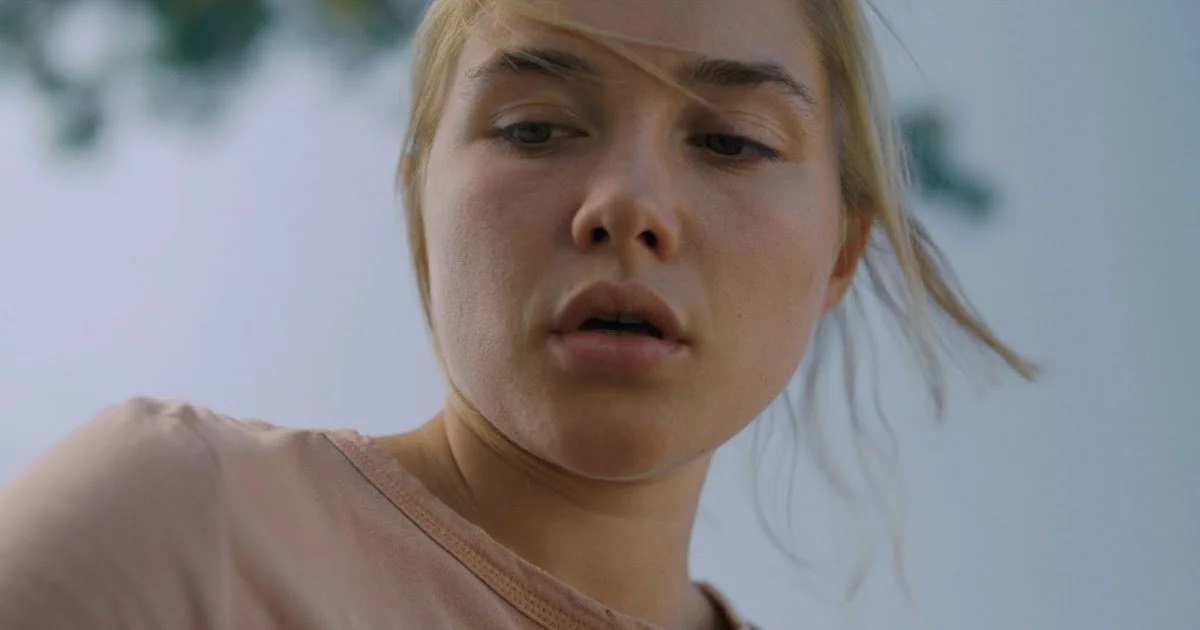
The horror in Sloth is psychological — but rooted in genuine supernatural threat. Memory loss, identity erosion, reality distortion... we want to use the mechanics of psychological breakdown to ground our horror in authentic fear.


Continued…
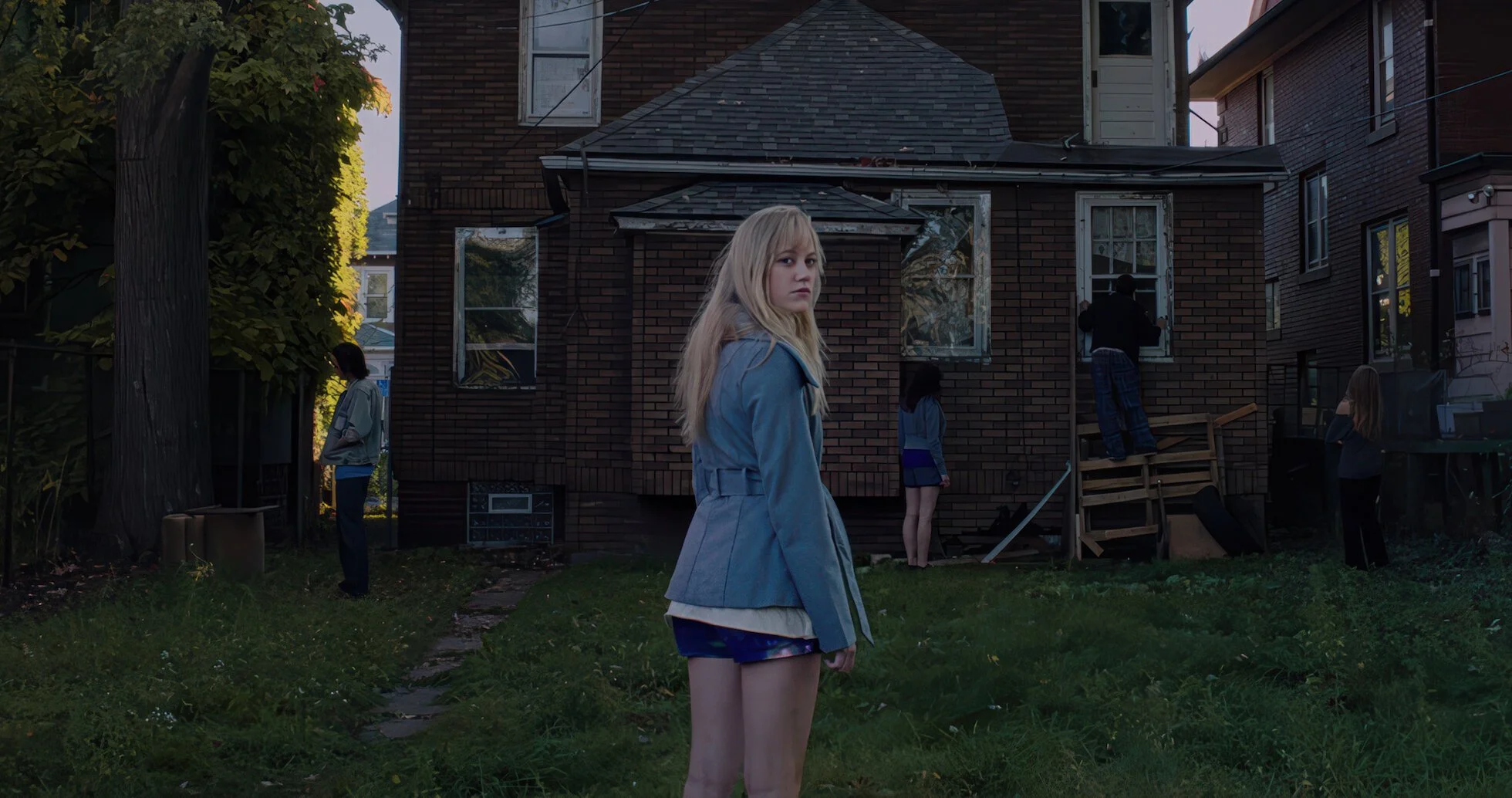
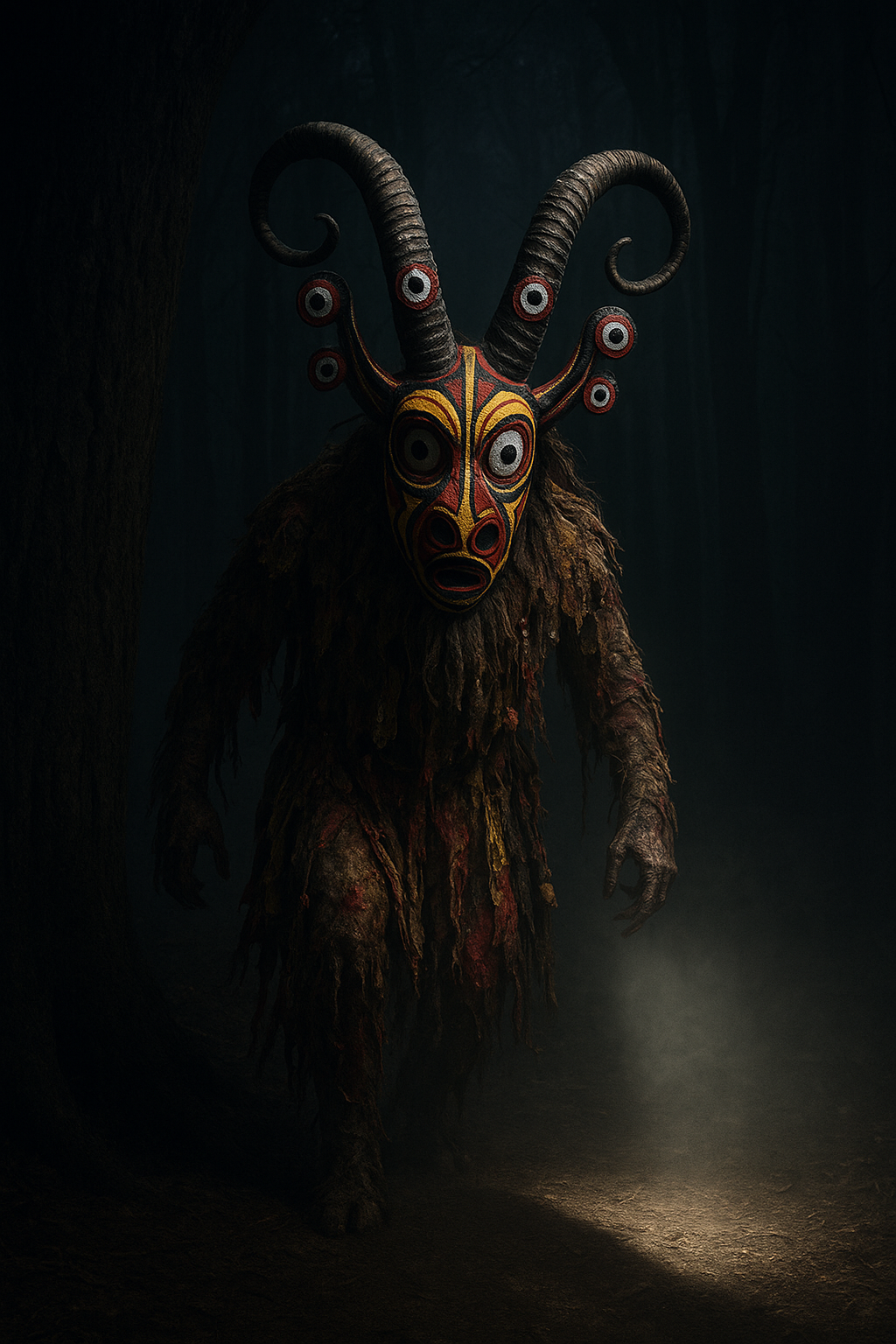
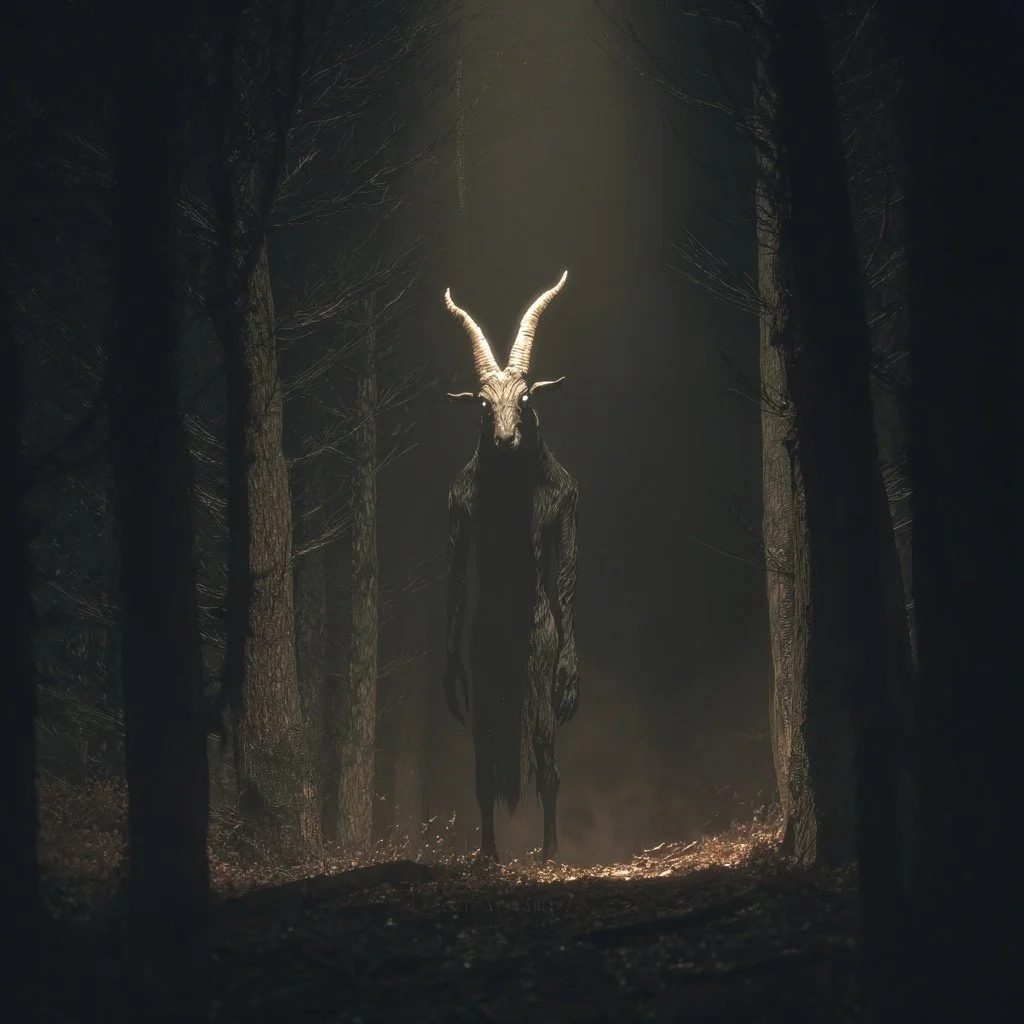
Our supernatural entity will remain mostly obscured throughout, hidden in shadows, glimpsed peripherally. When we do see the Goatman, it will be terrifying, unforgettable, strange — taking inspiration from the masters of creature design like Clive Barker, Guillermo del Toro, and the Silent Hill franchise.
The film will prominently feature another type of horror: the human kind. The supernatural terror unleashed in our story will expose the darkness that exists beneath the surface of small-town life. Abuse, abandonment, murder, depression... our characters will struggle with real trauma while facing an entity that feeds on such pain. How do you cope with genuine evil in this world? And when escape seems impossible, is retreating into dreams worth the cost?
THE RULES
The Entity's Visual Presence
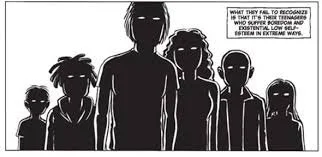
A towering, shadowy figure emerging from falling peaches and cosmic darkness. The Goatman appears as a massive silhouette with glowing eyes, its form both goat-like and disturbingly human. When it manifests, peaches fall like snow around it, and reality itself begins to warp and fracture.
The Goatman doesn't just kill you - it devours everything that makes you you. Your memories, your personality, your relationships, your very identity - all consumed piece by piece until nothing remains. But this forgetting doesn't happen quietly in your mind. It manifests in horrifying, physical ways.
Progressive Body Horror
As more memories disappear, the physical symptoms intensify. Victims find mysterious scars on their bodies where emotional connections used to be. Their reflection in mirrors begins to blur as they forget their own appearance. Eventually, they stop casting shadows entirely - a visual representation of having no substance left.
Identity Dissolution
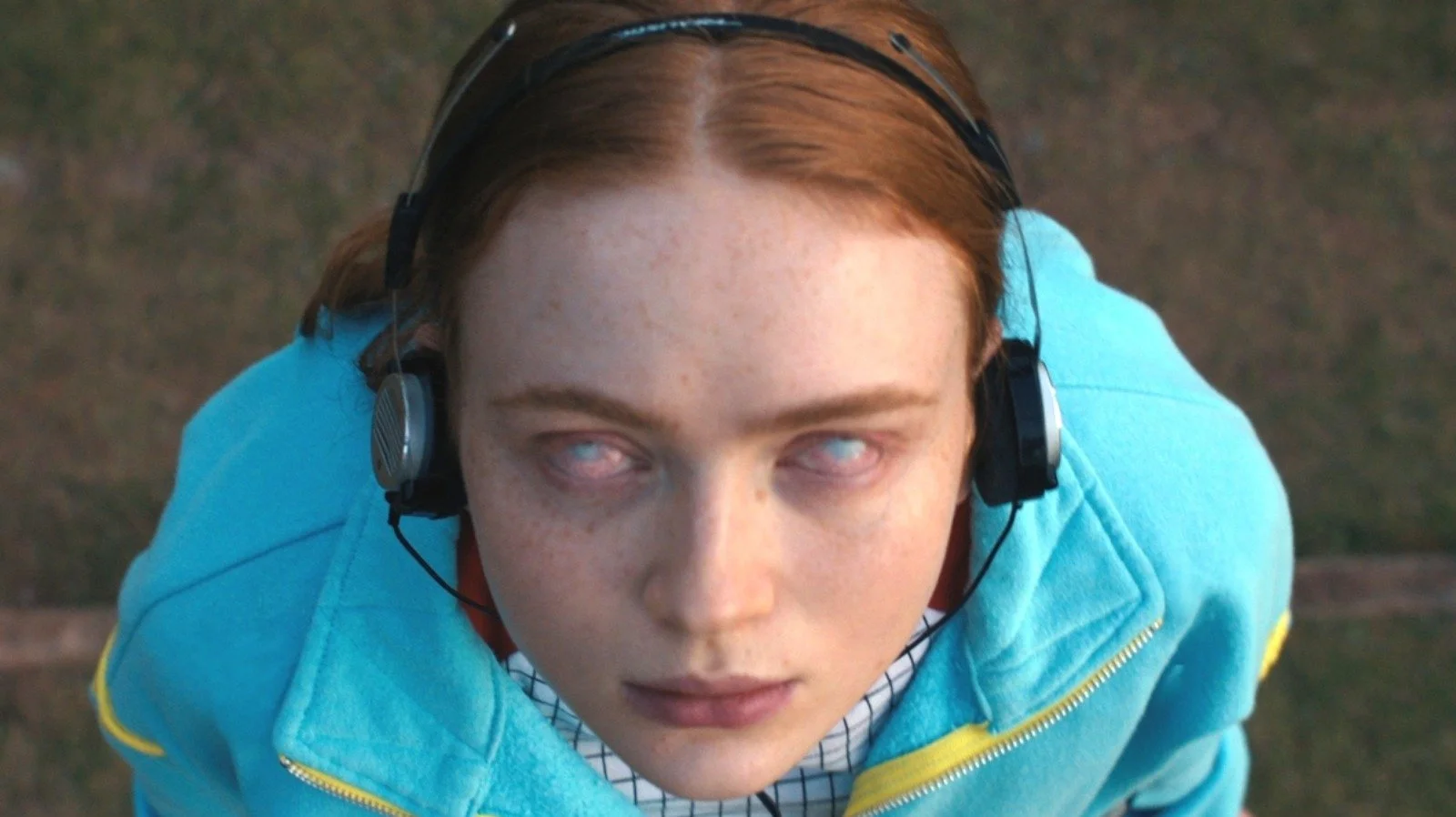
The most horrifying moment comes when victims forget their own names and feel their vocal cords seize up, preventing them from speaking. They might find their hands covered in ink as they try desperately to write down who they are, but the words disappear as quickly as they're written.
The entity operates by rules that can be learned and potentially exploited:
HOLD ONTO A NAME — Your identity is your only shield against dissolution
CARRY AN ANCHOR — A physical reminder of who you are that the Goatman cannot touch
WAKE UP ANOTHER DREAMER — Sometimes saving others is the only way to save yourself
At the film's midpoint, the narrative perspective suddenly shifts from Miguel to Lita without explanation - a jarring transition that forces audiences to question everything they've seen. This isn't stylistic experimentation; it's the moment the Goatman claims Miguel and turns its attention to Lita.
The Collective
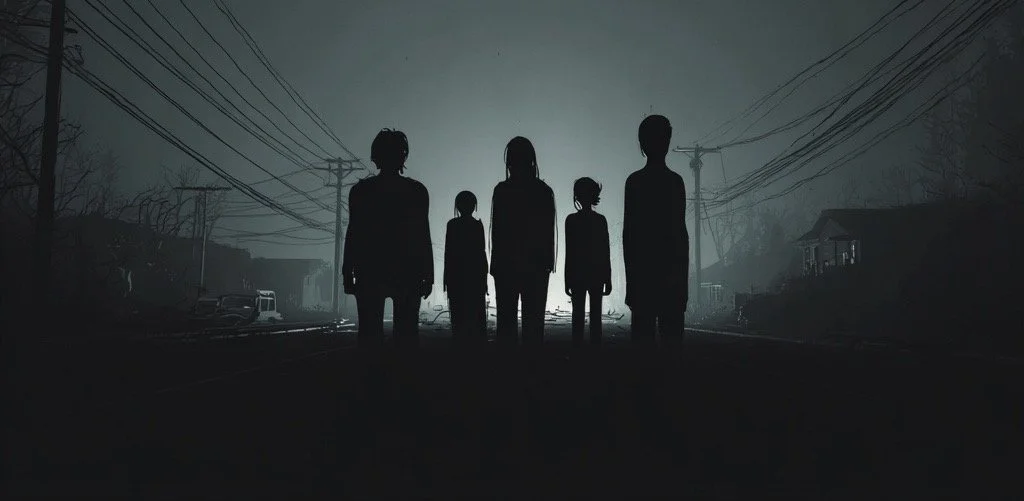
Those completely consumed don't disappear - they become part of the Goatman's consciousness. Their bodies remain but hollow, like empty vessels that occasionally cough up fragments of memories that no longer belong to anyone. They serve as extensions of the entity's will, their physical forms slowly becoming more goat-like as their humanity is completely erased.
Why This Is Horrifying
The combination of psychological and physical horror creates complete terror. You're not just losing memories - you're feeling them being ripped from your body in the most visceral, painful way possible. Death ends suffering, but the Goatman's victims experience eternal existence as hollow shells, forever conscious but forever empty, their bodies bearing the physical scars of everything that was stolen from them.
COMPARISONS
Mulholland Drive - Reality-bending narrative structure and dream logic
The Blair Witch Project - Small town legend and found atmosphere
Silent Hill - Psychological horror rooted in personal trauma
Fight Club - Unreliable narrative and identity questions
The Witch - Elevated horror with authentic supernatural threat
Everything Everywhere All at Once - Multiple realities and emotional core
Midsommar - Daylight horror and community-based evil
Stranger Things - Supernatural threat affecting young protagonists
FRANCHISE POTENTIAL
While Sloth is designed as a complete standalone film, the story can expand in future installments. The Goatman survives, waiting for new victims. The rules can be explored in different contexts. Other urban legends could intersect with this mythology.
The connection between Miguel and Lita suggests they may continue finding each other across realities, potentially as protectors who help future victims understand and escape the Goatman's influence. The peach orchard itself could be explored historically, revealing how the accumulated trauma created this supernatural threat.
But most importantly, Sloth works as a complete story — a psychological horror film about trauma, dreams, and the courage required to face reality even when escape seems preferable.